









7 Affordable Treks in Nepal You’ve Never Heard Of (But Should Do in 2026–2027)
Let’s be real for a second. Everyone is talking about Everest Base Camp, Annapurna Circuit, and Poon Hill. Your Instagram feed is full of them. Every trekking agency in Thamel has them plastered on their storefronts. And yes — they’re iconic for a reason. But here’s what nobody tells you: Nepal has dozens of trails […]
-
 Adventure Master Trek
-
20 June, 2026
-
13 mins read
-
725 Views
-
0 Comments


Let’s be real for a second. Everyone is talking about Everest Base Camp, Annapurna Circuit, and Poon Hill. Your Instagram feed is full of them. Every trekking agency in Thamel has them plastered on their storefronts. And yes — they’re iconic for a reason.
But here’s what nobody tells you: Nepal has dozens of trails that cost half the price, carry a fraction of the crowd, and deliver mountain views just as jaw-dropping. The “classic” routes aren’t always the best value. They’re just the loudest.
This blog is for the trekker who wants the real Nepal — the one with empty ridges, homemade raksi, village grandmothers waving from stone doorways, and zero competition for the best teahouse bed. We’ve pulled cost data from Adventure Master Trek (one of Kathmandu’s most trusted local agencies), cross-referenced pricing from multiple operators, and dug through Reddit threads where real trekkers talk honestly about what things actually cost on the ground.
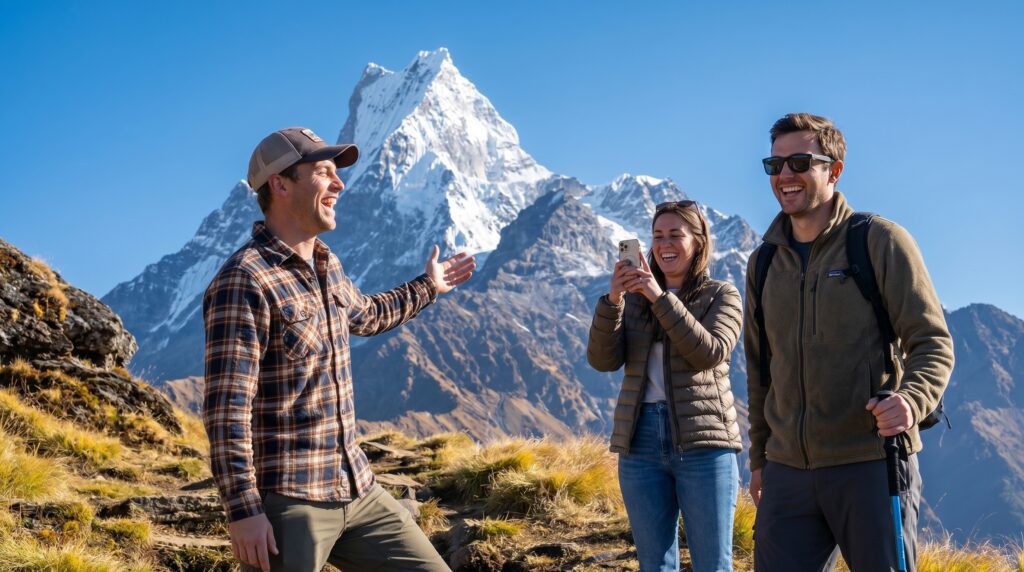
These are 7 affordable, under-the-radar treks in Nepal that deserve way more attention than they get.
Cost Comparison: The 7 Treks at a Glance
| Trek | Days | Max Altitude | Total Budget (guided) | Best For |
| Tamang Heritage Trail | 6–9 | 3,165m | USD $368–$650 | Cultural immersion |
| Pikey Peak | 7–10 | 4,065m | USD $275–$600 | Everest views on budget |
| Gosaikunda Lake | 9–12 | 4,380m | USD $400–$550 | Spiritual + scenic |
| Mohare Danda | 7–11 | 3,660m | USD $350–$600 | Off-the-beaten-path |
| Mardi Himal Base Camp | 5–7 | 4,500m | USD $300–$450 | Short + dramatic |
| Panchase Trek | 3–4 | 2,517m | USD $150–$250 | Weekend warriors |
| Everest View Trek | 5–7 | 3,880m | USD $700–$1,000 | Everest without EBC cost |
Understanding the Real Cost of Trekking in Nepal
Before we get into the routes, here’s what you’re actually paying for when you trek in Nepal:
- Permits: Most non-restricted treks need a TIMS card (USD $10–20) and either an Annapurna Conservation Area Permit — ACAP (USD $30) or Langtang National Park entry (USD $30). Some routes need both; a few need neither.
- Guide fees: A licensed guide costs roughly USD $25–35 per day. A porter runs USD $20–25 per day and carries up to 25kg. As of 2023, solo trekking is banned in national parks and conservation areas — so factor in guide costs regardless.
- Teahouse accommodation: Most budget teahouses charge USD $5–10 per night. In popular areas, rooms are sometimes free if you agree to eat all meals there.
- Food: Dal bhat (the national dish — rice, lentils, vegetables, unlimited refills) runs USD $6–8 and is the single best trekking meal in the world. Budget USD $25–35 per day total for food plus accommodation.
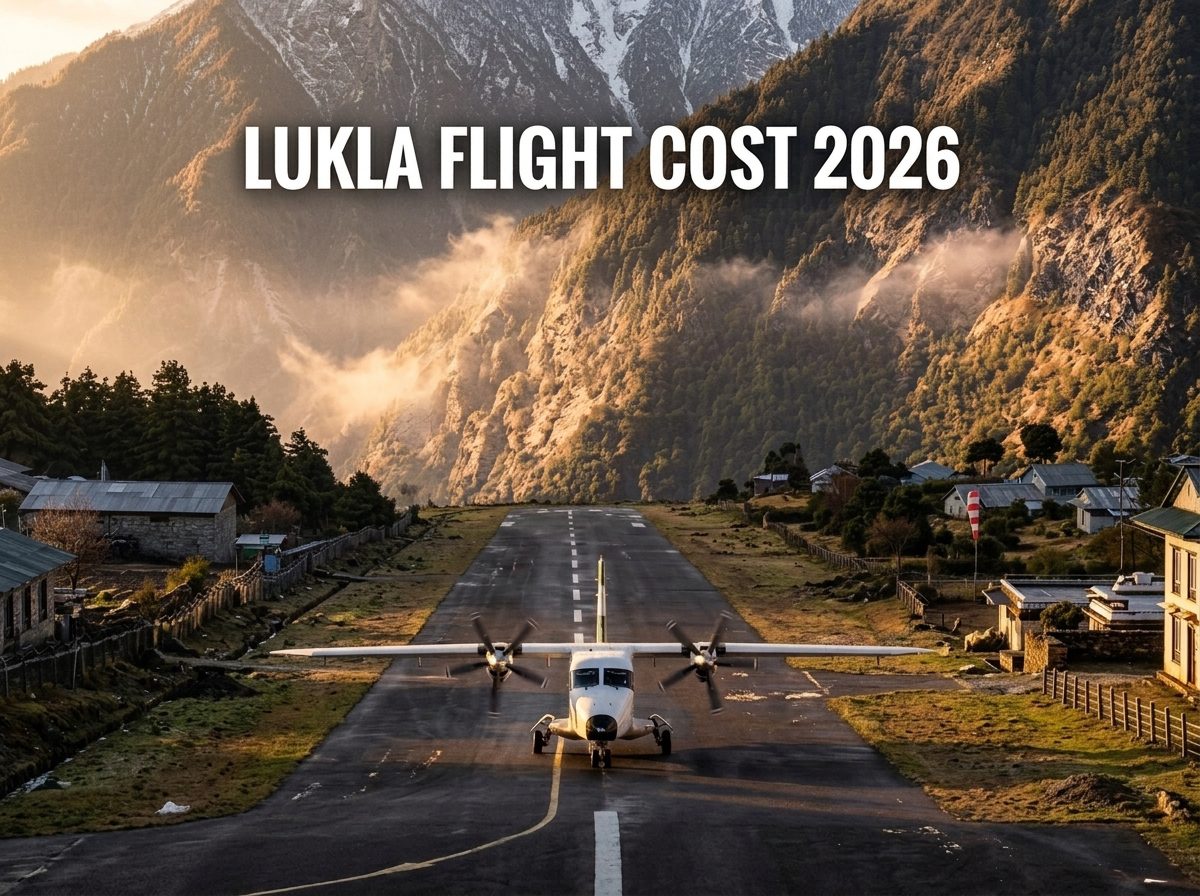
- Transport: The biggest savings on off-the-beaten-path treks come from avoiding expensive domestic flights. The Lukla flight alone for EBC costs USD $180–230 one-way. Treks accessible by local bus cut this to USD $10–20.
A mid-range guided trek in Nepal typically runs USD $50–100 per day all-in, including guide, accommodation, meals, and permits. That puts most 6–8 day affordable treks in the USD $400–700 range. The treks below sit at the lower end of that range — or well below it.
1. Tamang Heritage Trail Trek — Culture at Its Cheapest
- Duration: 6–9 days
- Max Altitude: 3,165m (Nagthali Ghyang)
- Cost (guided package): USD $368–$650 per person
- Permit costs: Langtang National Park (USD $30) + TIMS (USD $10–20)
- Starting Point: Syabrubesi (7-hour bus ride from Kathmandu, ~USD $10–15)
This is the trek Nepal’s own government designed to lift rural communities out of poverty — and it shows. The Tamang Heritage Trail loops through stone-walled villages in the Rasuwa district that see so few foreign visitors, locals will invite you in for butter tea before you’ve even taken your boots off.
The route winds through Gatlang, Tatopani, Thuman, and Briddim — each village preserving Tamang Buddhist traditions, ancient monasteries, and colorful prayer wheel corridors that predate mass tourism entirely. The natural hot springs at Tatopani are the trail’s secret weapon: after four days of uphill walking, soaking in a stone pool with Langtang Lirung (7,227m) visible above you is something no luxury hotel can replicate.
Mountain views here include Langtang Lirung, Ganesh Himal (7,422m), and Shishapangma across the Tibetan border. The highest point sits at a very manageable 3,165m — keeping altitude sickness risk minimal.
Why it’s a budget gem: No expensive flights, dirt-cheap local bus access, community homestays that run even cheaper than standard teahouses (USD $15–25 per day including meals in some sections), and zero permit fees beyond the standard national park entry. If you’re trekking with a group, BaseCamp Hike lists packages from USD $368 per person — making this one of the cheapest multi-day cultural treks in the entire Himalayan region.
What Redditors say: The Tamang Heritage Trail gets consistent shoutouts in r/Nepal threads about hidden gems. The general consensus: “It feels like what Nepal trekking was like 20 years ago — completely genuine, very cheap, and the villagers are unbelievably welcoming.” The lack of crowds is the single most-mentioned positive.
2. Pikey Peak Trek — Everest Views Without the Everest Price Tag
- Duration: 7–10 days
- Max Altitude: 4,065m (Pikey Peak summit)
- Cost (guided package): USD $275–$950 per person (wide range based on group size and services)
- Permit costs: TIMS (USD $10–20) + Sagarmatha National Park entry (USD $30)
- Starting Point: Dhap village, Solukhumbu (local jeep from Kathmandu)
Sir Edmund Hillary — the man who first summited Everest — called Pikey Peak his favourite viewpoint of the mountain. That’s quite an endorsement for a trek that costs roughly one-quarter of what EBC charges.
The Pikey Peak Trek explores the lower Solukhumbu region, the same Sherpa heartland that feeds Everest expeditions — but far below the tourist trail. You walk through multiethnic villages of Sherpa, Rai, Tamang, and Chhetri communities, past mani walls, ancient stupas, and the magnificent Thupten Chholing Monastery. The summit at 4,065m opens up a panorama of Everest, Lhotse, Makalu, Cho Oyu, Kanchenjunga, and Ama Dablam — all at once.
No Lukla flight required. That alone saves you USD $180–230 per leg compared to classic EBC packages.
Why it’s a budget gem: Budget packages can run as low as USD $275–350 for a self-arranged 7-day trek with a local guide booked in Kathmandu. Even fully guided packages from established agencies top out around USD $400–950 — a fraction of what EBC costs. Accommodation along the route uses simple local teahouses where rooms often come free if you eat meals on site.
What the trekking community says: On multiple backpacker forums and Nepal-specific Reddit threads, Pikey consistently gets flagged as the best-kept secret in the Everest region. The specific selling point that comes up again and again: “Same Everest views. No flight. No crowds. Quarter of the price.”
3. Gosaikunda Lake Trek — Sacred Lakes on a Shoestring
- Duration: 9–12 days
- Max Altitude: 4,380m (Gosaikunda Lake)
- Cost (guided package): USD $400–$550 per person
- Permit costs: Langtang National Park (USD $30) + TIMS (USD $10–20)
- Starting Point: Dhunche or Syabrubesi (local bus from Kathmandu, ~USD $10)
There are 108 sacred lakes in the Gosaikunda complex according to Hindu cosmology, and trekkers from across Nepal make the pilgrimage to the main lake (4,380m) during the Janai Purnima festival each August. But outside of festival season, you can walk these ridges in near-complete solitude — which, given the view, feels almost criminal.
The trail climbs from Dhunche through rhododendron and bamboo forests, ascending through high alpine meadows and past a series of emerald and turquoise mountain lakes. The scenery shifts dramatically every day — subtropical forest one morning, open tundra the next, a ridge-top view of Langtang, Dorje Lakpa, and Ganesh Himal the afternoon after.
This trek can be combined with the Tamang Heritage Trail or extended into Helambu for a longer loop — all under the same permit set, which makes it an exceptional value for multi-week trekkers.
Why it’s a budget gem: Local bus access from Kathmandu costs USD $10. Accommodation along the trail uses simple teahouses at USD $5–10 per night. Full guided packages from operators like Mosaicadventure run USD $400–550 inclusive of permits, guide, accommodation, and meals — well below what classic circuits cost.
What trekkers actually say: Gosaikunda comes up frequently in discussions about underrated Nepal treks. The consistent theme: the combination of spiritual significance, dramatic altitude gain, and virtually empty trails at a price that feels almost too good to be true.
4. Mohare Danda Trek — The Poon Hill Alternative With Better Views
- Duration: 7–11 days
- Max Altitude: 3,300m (Mohare Danda) / 3,660m (Khopra Ridge)
- Cost (guided package): USD $350–$600 per person
- Permit costs: ACAP (USD $30) + TIMS (USD $10–20)
- Starting Point: Galeshwar (drive from Pokhara)
The Mohare Danda Trek begins where Poon Hill’s crowds thin out and the trail gets honest. It runs through the Magar and Gurung heartland of the Annapurna foothills, along a forested ridge that delivers views most Poon Hill visitors never see — because they turned back too early.
Mohare Danda viewpoint itself offers a panorama of Dhaulagiri, Tukuche, Nilgiri, Annapurna South, Machhapuchhre, and Manaslu that locals quietly consider superior to Poon Hill’s famous sunrise platform. Community lodges run by local Magar families line the trail, keeping a meaningful portion of trekking revenue within village economies. Many itineraries extend to Khopra Ridge (3,660m) and the sacred Khayer Lake (4,600m) for those wanting more altitude.
Nepal’s first officially designated “eco-trek” means community-owned lodges charge standardised rates — eliminating the price-gouging that sometimes hits more popular corridors.
Why it’s a budget gem: Community lodge prices are fixed and fair. The trail connects to Poon Hill but sees maybe 10% of the traffic, keeping everything from room prices to meal costs at their honest baseline. Budget per day sits around USD $35–45.
Redditors on this one: Mohare Danda gets flagged specifically by trekkers who’ve already done Poon Hill and want something less commercial. The recurring note: “The views are honestly better than Poon Hill, and I had the viewpoint completely to myself at sunrise.”
5. Mardi Himal Base Camp Trek — Under-the-Radar Annapurna
- Duration: 5–7 days
- Max Altitude: 4,500m (Mardi Himal Base Camp)
- Cost (guided package): USD $300–$450 per person
- Permit costs: ACAP (USD $30) + TIMS (USD $10–20)
- Starting Point: Kande (30-minute drive from Pokhara)
Officially opened for independent trekking only in 2021, Mardi Himal is still young enough that it hasn’t been absorbed into the mass-tourism machine. It parallels the Annapurna Base Camp route — sharing the same mountain skyline — but branches into a quieter ridge that gets perhaps one-fifth the foot traffic.
The trail climbs through misty rhododendron and oak forests before emerging onto dramatic ridges with front-row views of Machhapuchhre (Fishtail), Annapurna South, and Hiunchuli. The teahouses at Forest Camp, Low Camp, and High Camp are small, family-run, and genuinely welcoming in the way that teahouses on overcrowded trails often no longer are.
The overnight altitude maxes out at around 3,500m (High Camp), with Mardi Himal Base Camp at 4,500m done as a day hike — giving your body solid overnight recovery and keeping AMS risk low.
Why it’s a budget gem: Package prices from Pokhara-based operators run USD $150–$300 for 4–5 day versions, with fuller 7-day guided packages in the USD $300–$450 range. That’s less than half the cost of most Annapurna Base Camp packages.
What trekkers say: Mardi Himal gets consistent recommendations from budget-conscious trekkers who’ve done ABC and want the views without the price hike. One Reddit thread described it as “ABC minus the tourist circus, minus 40% of the cost, plus twice the feeling of actually being somewhere.”
6. Panchase Trek — 3 Days, Lakeside Views, Almost Free
- Duration: 3–4 days
- Max Altitude: 2,517m (Panchase Bhanjyang)
- Cost (guided package): USD $150–$250 per person
- Permit costs: ACAP (USD $30) + TIMS (USD $10–20)
- Starting Point: Phewa Lake, Pokhara
If you have three days in Pokhara and want a proper mountain experience rather than a lakeside café crawl, the Panchase Trek is the answer. It starts almost from Pokhara’s doorstep, climbs through dense rhododendron forest to a viewpoint ridge, and rewards you with views of Dhaulagiri, the Annapurna range, and Phewa Lake simultaneously.
Panchase sits low enough (2,517m) that altitude sickness is essentially zero risk for healthy adults — making it the ideal opener for first-time trekkers or a no-pressure add-on for travellers already in the area. The trail passes through Gurung villages that see a fraction of the visitors that Ghandruk or Ghorepani handle daily.
Why it’s a budget gem: Three days. Minimal permits. No domestic flight. Guide fees for 3 days run USD $75–105. Total cost, including guide, teahouses, meals, transport, and permits, rarely exceeds USD $200–250. As an acclimatisation or warm-up trek before something bigger, it’s almost unbeatable on value.
On the ground: Panchase is the trek that Pokhara locals quietly recommend when travellers ask what’s worth doing without a week to spare. It doesn’t have the name recognition of Poon Hill, which means the teahouses have room and the trails have breathing space.
7. Everest View Trek — Everest Without the Expedition
- Duration: 5–7 days
- Max Altitude: 3,880m (Kala Patthar viewpoint near Syangboche)
- Cost (guided package): USD $350–$550 per person
- Permit costs: Sagarmatha National Park (USD $30) + TIMS (USD $10–20)
- Starting Point: Lukla (flight required) or extended overland routes
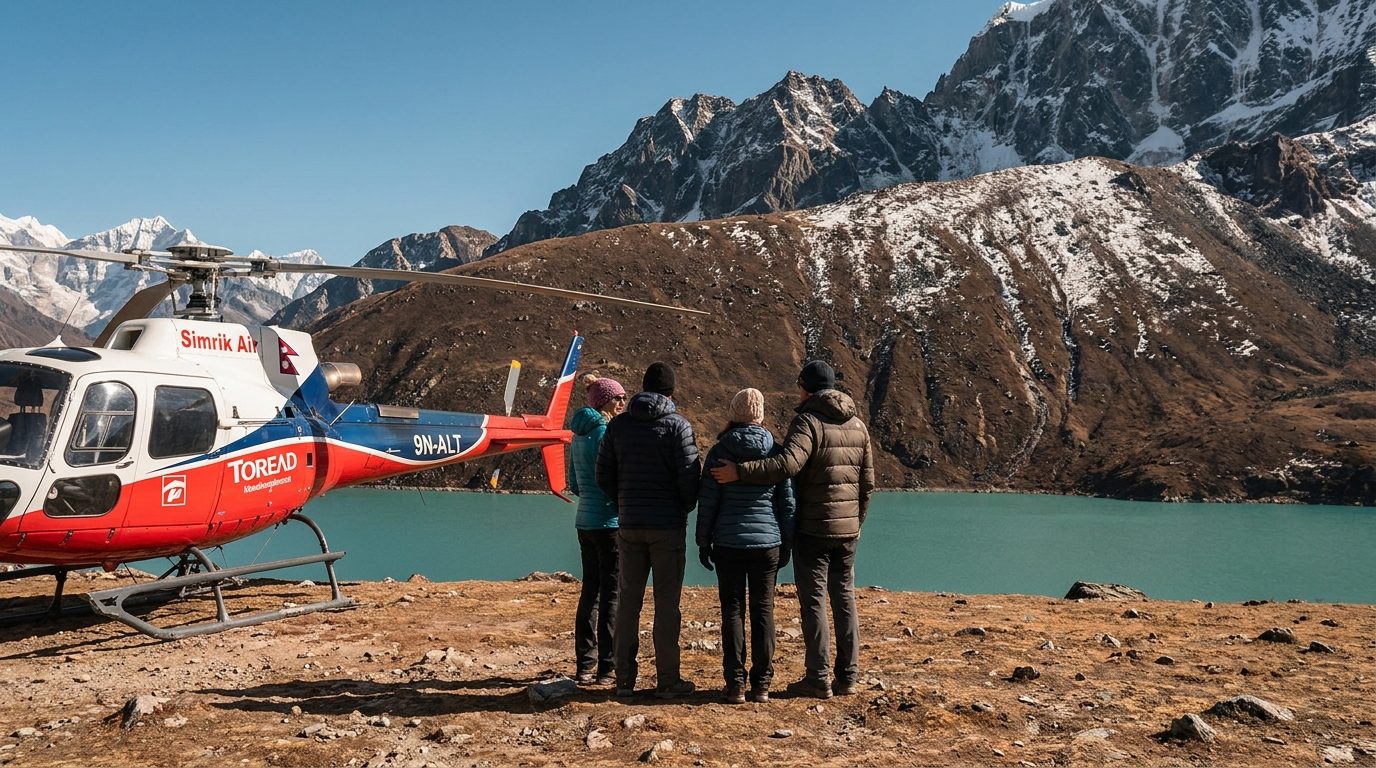
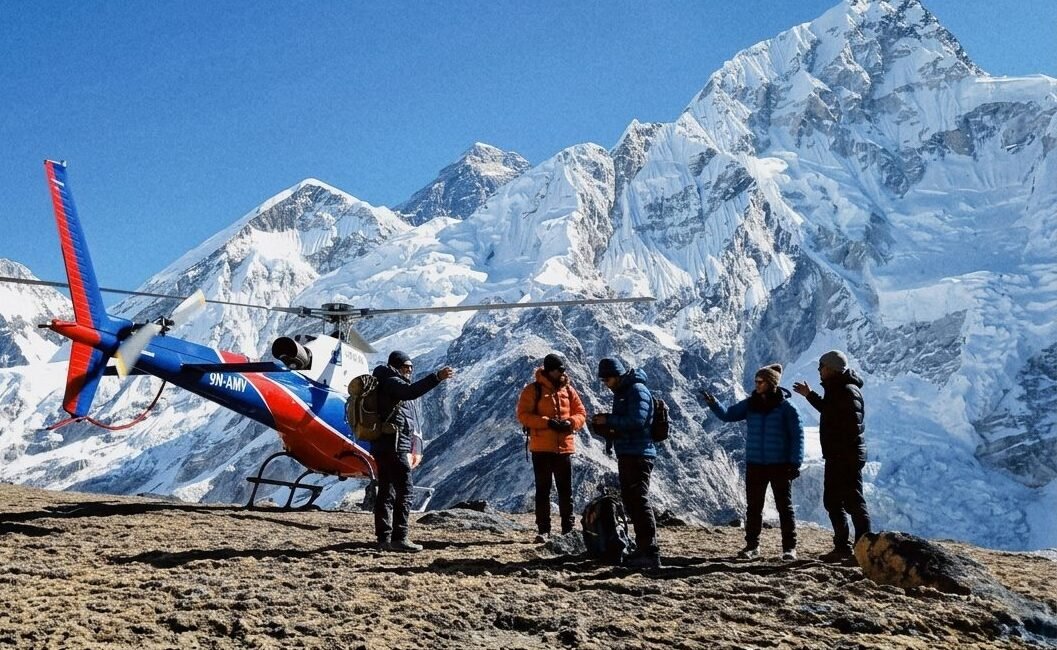
Full transparency: the Lukla flight (USD $180–230 one-way) is the main cost variable here, and it’s unavoidable if you want the Khumbu region specifically. But the Everest View Trek is still dramatically cheaper than the full EBC route because it stops at Tengboche Monastery and Namche Bazaar rather than pushing on for another week to base camp.
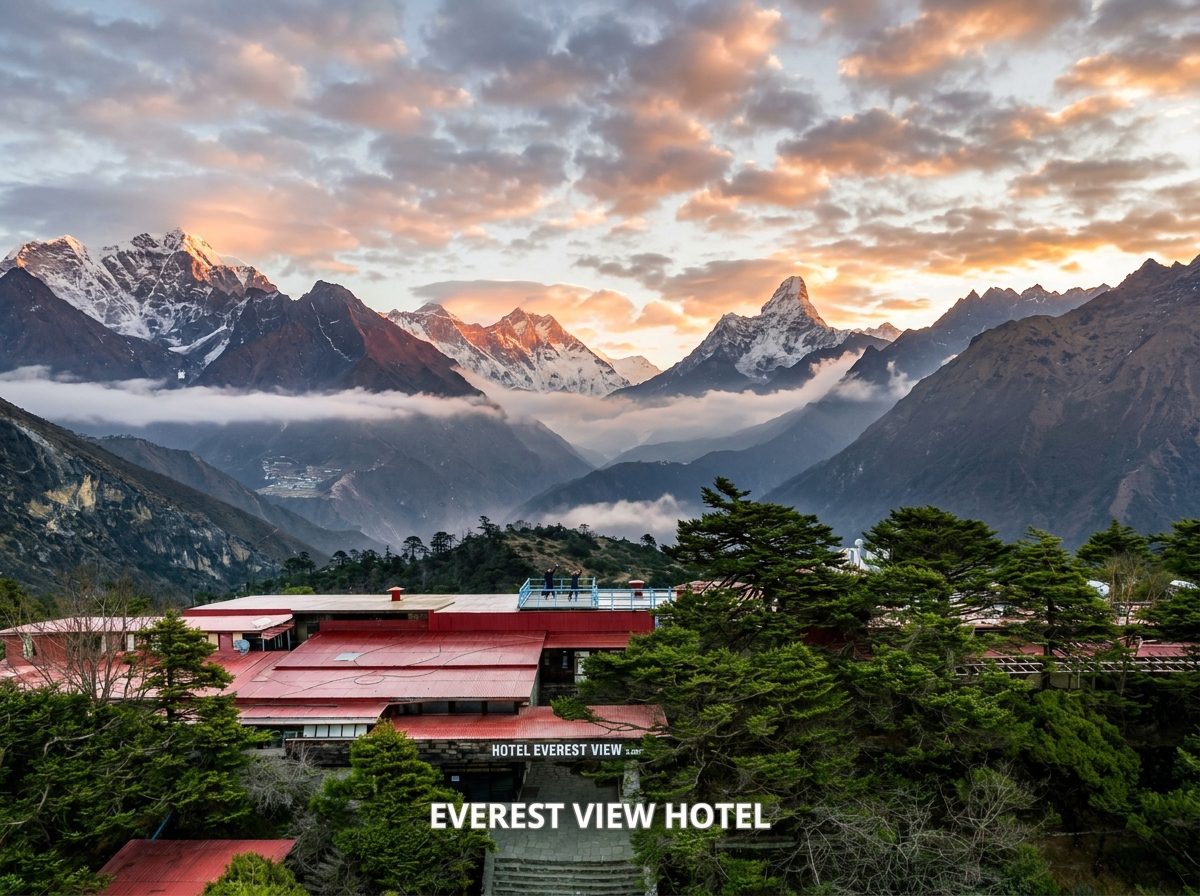
What you get: Ama Dablam viewed from Tengboche’s monastery courtyard. Everest, Lhotse, and Nuptse framed against blue sky from the Syangboche ridge. Authentic Sherpa village life in Namche Bazaar and Khumjung. The entire Khumbu experience — minus the altitude grind above 4,000m.
The trek suits trekkers who want to say they’ve been to the Everest region, seen the mountain, absorbed the Sherpa culture — without signing up for a 14-day expedition that punishes the body and empties the bank account.
Why it’s a budget gem: Compared to full EBC packages (USD $1,300–$2,500), the Everest View Trek can be done for USD $350–$550 in guide-and-teahouse costs, plus the flight. Total budget: USD $700–$1,000 all-in. That’s still well under half the EBC price for roughly 80% of the experience.
How to Slash Costs Even Further
- Book locally in Kathmandu or Pokhara. Agencies like Adventure Master Trek operate with far lower overhead than international operators and pass that saving directly to you. Booking locally typically saves 30–40% compared to the same package booked from abroad.
- Travel in shoulder season. December–February (minus the restricted alpine routes) and June (just before heavy monsoon) offer 15–20% discounts on teahouses and guide rates. December in particular is overlooked — the skies are clear, the trails are quiet, and lodge owners genuinely appreciate the business.
- Join a group departure. Most Kathmandu agencies offer fixed-date group joins that split guide costs across 4–8 people. This alone cuts per-person costs by 20–30% versus a private trek.
- Eat dal bhat. Always, relentlessly, every meal where possible. It’s the cheapest hot meal on any trail menu, comes with unlimited refills, and is genuinely one of the best things you’ll eat in Nepal. Budget trekkers who order pasta and pizza at every stop are paying 30–40% more for their food.
- Carry a water filter or purification tablets. Bottled water costs USD $1–3 per litre and climbs with altitude. A filter pays for itself in three days.
The Bottom Line
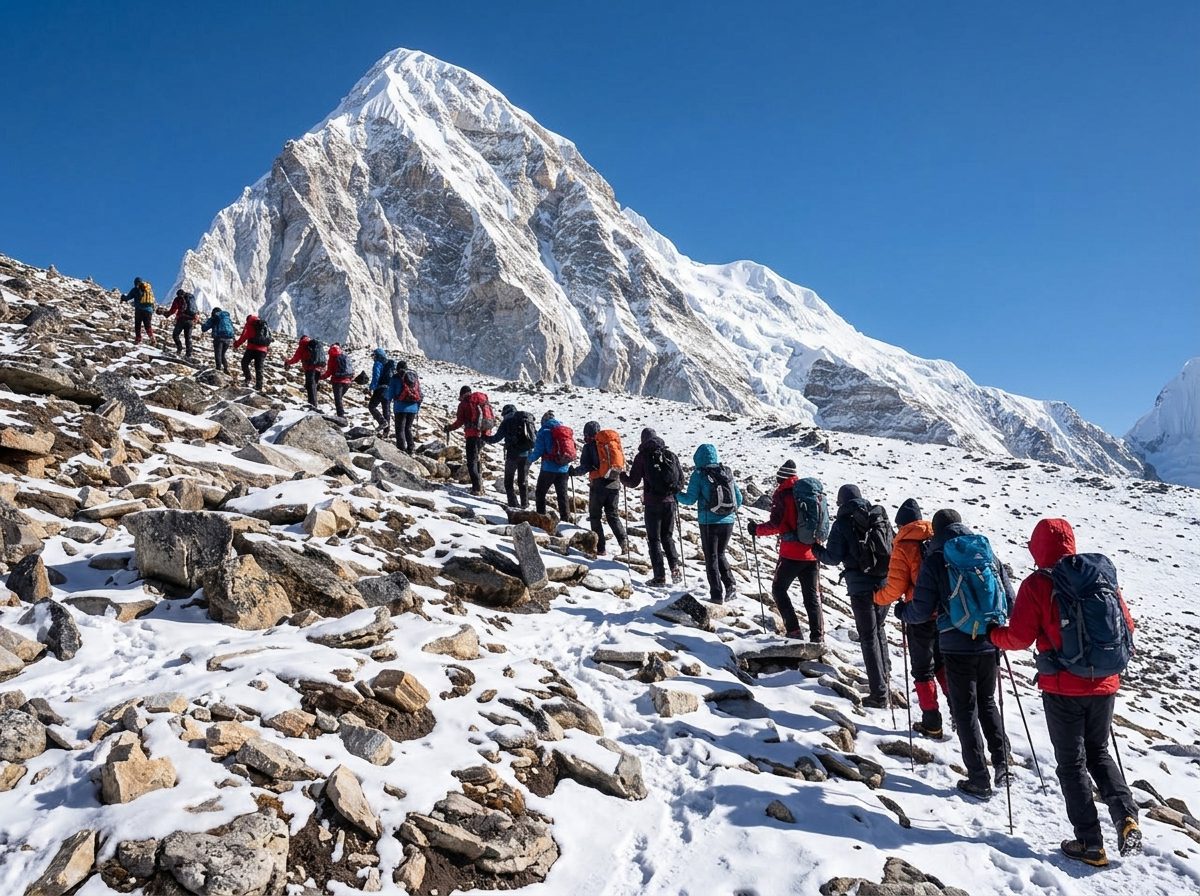
The classic treks — EBC, Annapurna Circuit, Poon Hill — are classics for a reason. But Nepal is a country with over 60 established trekking routes. The Himalaya doesn’t disappear because you took a less famous path through it. The views don’t get worse because there are fewer people in front of you on the trail.
What you get on these seven routes is something that’s increasingly hard to find on the overcrowded classics: a Nepal that hasn’t fully been processed into a product yet. Villages where the homestay host’s daughter does your laundry and argues with you about card games. Mornings on an empty ridge where the only sound is wind through prayer flags.
That Nepal still exists. It’s just a 10-hour bus ride from Kathmandu and a conversation with a local agency away.
Comments (0)
Write a comment- Cost Comparison: The 7 Treks at a Glance
- Understanding the Real Cost of Trekking in Nepal
- 1. Tamang Heritage Trail Trek — Culture at Its Cheapest
- 2. Pikey Peak Trek — Everest Views Without the Everest Price Tag
- 3. Gosaikunda Lake Trek — Sacred Lakes on a Shoestring
- 4. Mohare Danda Trek — The Poon Hill Alternative With Better Views
- 5. Mardi Himal Base Camp Trek — Under-the-Radar Annapurna
- 6. Panchase Trek — 3 Days, Lakeside Views, Almost Free
- 7. Everest View Trek — Everest Without the Expedition
- How to Slash Costs Even Further
- The Bottom Line
Read the latest Blogs & Insights
Explore our collection of articles and insights to gain in-depth travel knowledge, expert advice, and stay updated on the latest trends and tips.


No comments yet.