









7 Best Winter Treks in Nepal 2026: Where to Go When Everyone Else Stays Home
Most trekking guides will tell you that winter is the “off-season” in Nepal, as if the mountains pack up and close shop once December rolls around. That’s not quite true, and honestly, it never has been. What actually happens in winter is that the crowds disappear, the sky clears up in a way it rarely […]
-
 Adventure Master Trek
-
25 June, 2026
-
13 mins read
-
679 Views
-
0 Comments


Most trekking guides will tell you that winter is the “off-season” in Nepal, as if the mountains pack up and close shop once December rolls around. That’s not quite true, and honestly, it never has been. What actually happens in winter is that the crowds disappear, the sky clears up in a way it rarely does during the hazy autumn months, and the trails that were jammed with trekking groups in October suddenly feel like they belong to you alone.
I’m not going to pretend winter trekking in Nepal is for everyone. The cold is real, some of the high passes do close, and you need the right gear or you’ll have a miserable time. But if you’re willing to layer up and trade a few degrees of comfort for views you’d otherwise never get, winter might just be the best season nobody talks about. Here are seven treks that prove it.
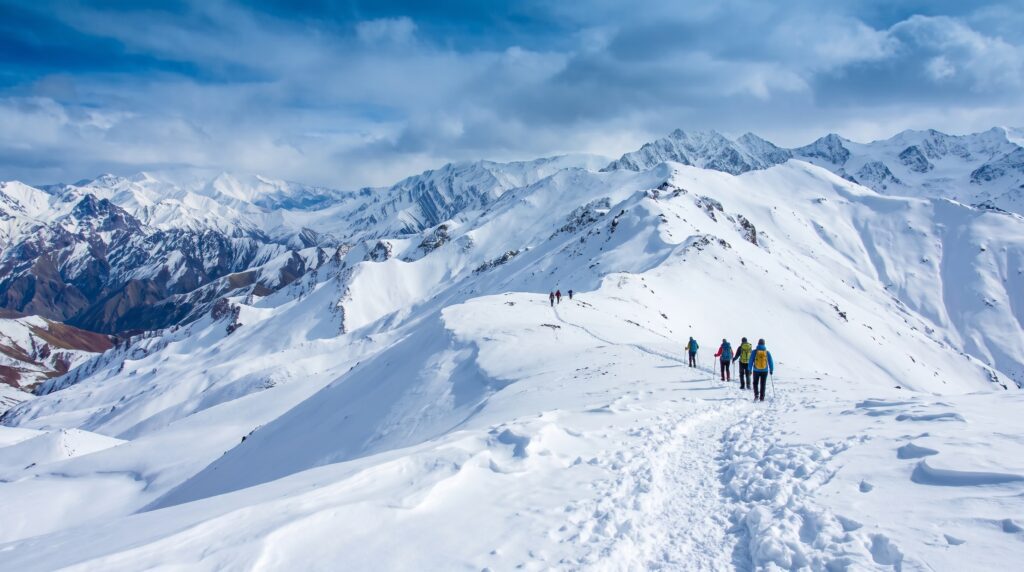
1. Poon Hill Trek
If someone asks me where to send a first-time trekker in winter, Poon Hill is usually my answer. It’s short, it’s manageable, and the payoff is completely out of proportion to the effort involved.
The trek starts from Nayapul, a few hours’ drive from Pokhara, and winds through small Gurung and Magar villages before climbing into rhododendron forest. In winter the rhododendrons obviously aren’t blooming — that’s a spring thing — but the bare branches against a blue sky have their own kind of beauty, and the lack of leaves means better visibility through the forest in places.
The whole point of the trek is the sunrise viewpoint at Poon Hill itself, sitting at around 3,210 meters. You wake up well before dawn, hike up in the dark with a headlamp, and stand there shivering while the sun slowly lights up Dhaulagiri, Annapurna South, and Machhapuchhre one after another. In autumn this viewpoint can get crowded enough that you’re jostling for a spot at the railing. In winter, you might share it with a dozen people instead of a few hundred.
Total trekking time is usually four to five days, and the altitude stays low enough that altitude sickness is rarely a concern. Teahouses along the route stay open all winter because this is one of the most consistently trekked routes in the country, so you won’t run into the problem of arriving at a village only to find everything shuttered.
The catch, if there is one, is the cold at night. Don’t expect heating in most teahouse rooms — you’ll be relying on your sleeping bag and whatever blankets the lodge can spare. Bring a sleeping bag rated for at least -10°C and you’ll be fine.
2. Mardi Himal Trek
Mardi Himal is the trek I recommend to people who’ve already done Poon Hill or Annapurna Base Camp and want something that feels less worn-in. It’s been growing in popularity over the last several years, but it still gets nowhere near the foot traffic of its more famous neighbors, and in winter that gap widens even further.
What makes Mardi Himal special is the angle it gives you on Machhapuchhre, the fishtail-shaped peak that dominates the skyline above Pokhara. Most other treks see this mountain from a distance or from the side. Mardi Himal takes you along a ridge that puts you almost directly underneath it, close enough that the scale of the thing actually registers.
The trail climbs through forest for the first couple of days, then breaks out onto open ridgeline as you approach High Camp at around 3,580 meters. From there, those who want to push further can continue to the upper viewpoint near 4,500 meters, though this stretch can get snowy and slippery in deep winter, and it’s worth checking conditions with your guide or teahouse owner before attempting it.
This is a five-to-seven day trek depending on your pace and whether you do the side trip to the higher viewpoint. It sits in that sweet spot of being challenging enough to feel like an accomplishment without requiring serious mountaineering experience. Winter snow on the upper ridge adds a layer of difficulty, so good boots with decent grip are non-negotiable here.
3. Annapurna Base Camp Trek
Annapurna Base Camp is one of those treks that gets recommended so often it almost feels like a cliché to include it — but the reason it keeps showing up on every list is that it genuinely earns the spot, winter included.
What changes in the cold months is the character of the trek rather than its accessibility. The lower sections through Bamboo, Dovan, and Himalaya stay green and walkable, but as you climb past Deurali toward Machhapuchhre Base Camp and then ABC itself, snow starts appearing on the trail and occasionally drifts across it. The famous amphitheater at Annapurna Base Camp, ringed by Annapurna I, Annapurna South, and Hiunchuli, looks genuinely different blanketed in snow — colder, sharper, more dramatic than the same view in October.
This is a seven-to-ten day round trip from Pokhara, and the altitude tops out around 4,130 meters, which is high enough that you’ll want to take the standard acclimatization precautions even though the trek doesn’t follow a strict “climb high, sleep low” pattern the way Everest Base Camp does.
Winter brings real cold at the upper teahouses — temperatures well below freezing overnight isn’t unusual in January — and trail conditions above Deurali can occasionally force a turnaround if there’s been a fresh, heavy snowfall. It’s worth building a buffer day into your itinerary and staying flexible. Most people who go in winter say the empty trail and clearer mountain views made the extra planning worth it.
4. Khopra Ridge Trek
Khopra Ridge doesn’t get nearly the attention it deserves, which honestly works in its favor if you’re trying to avoid other trekkers entirely. It sits in the same general region as Poon Hill and ABC but takes a quieter route, climbing along a high ridge that gives you wide views of Dhaulagiri, Annapurna South, and Nilgiri without funneling you through the busiest villages.
The trek typically runs six to eight days and reaches a maximum altitude of around 3,660 meters at the Khopra viewpoint. Along the way you’ll pass through forests of oak and rhododendron, cross a couple of smaller settlements that see far fewer visitors than the main Annapurna circuit villages, and eventually reach a ridge-top lodge where the morning views are about as good as anything in the Annapurna region.
Because Khopra is less developed than the major routes, teahouse options are more limited, and in deep winter some of the smaller lodges may close if there simply aren’t enough guests to justify staying open. It’s smart to check ahead with a local agency or guide before committing to dates, particularly for January departures. That said, the tradeoff for this extra bit of planning is a trek where you might genuinely not see another group all day, which is rare in Nepal’s more popular trekking regions.
5. Langtang Valley Trek
Langtang sits closer to Kathmandu than any of the other treks on this list, which makes it a practical choice if you’re short on time but still want a proper Himalayan experience. The drive from Kathmandu to the trailhead at Syabrubesi takes most of a day, after which the trek follows the Langtang River up through forest and eventually opens into a wide glacial valley flanked by peaks rising above 7,000 meters.
Winter changes Langtang more noticeably than it changes some of the other treks here. Snow accumulates more heavily in this valley, especially from January onward, and the upper sections near Kyanjin Gompa, which sits around 3,870 meters, can be genuinely snowbound. This isn’t necessarily a problem — plenty of trekkers go specifically to see Langtang dressed in snow, and the views of Langtang Lirung from Kyanjin Ri are stunning in winter light — but it does mean you should go with a guide who knows current trail conditions, and you should be prepared for the trek to take a day or two longer than it would in autumn if snow slows your pace.
The valley also carries a more recent history worth knowing about. The 2015 earthquake caused a devastating landslide that destroyed much of Langtang village, and the community has since rebuilt. Walking through it now, you’ll notice a mix of older stone structures and newer guesthouses, and the resilience of the place adds a different kind of weight to the trek beyond just the scenery.
Expect this to be a seven-to-ten day trek depending on whether you include the side trip up Kyanjin Ri or Tserko Ri. Pack heavier than you think you need to — Langtang in January is genuinely cold, not just chilly.
6. Everest View Trek
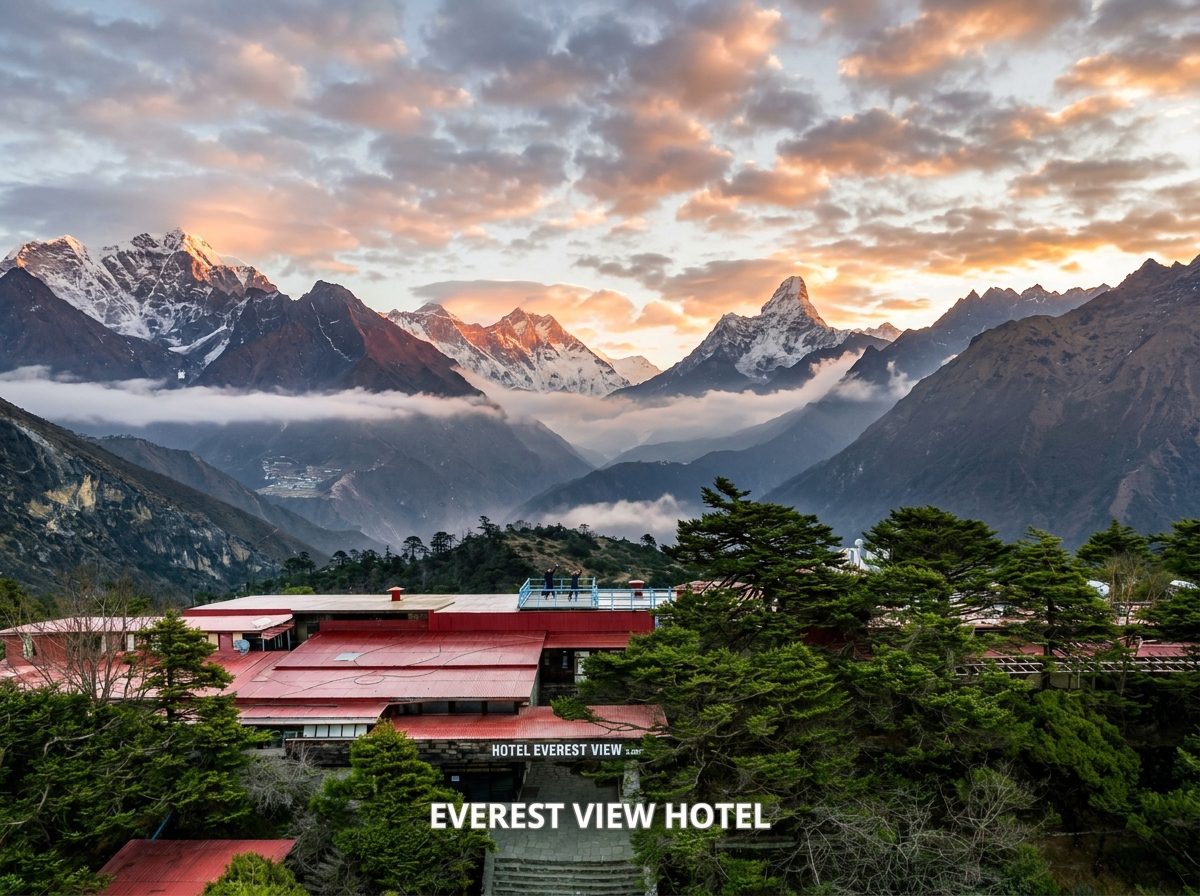
Not everyone wants to commit two weeks and risk altitude sickness to see Everest up close, and that’s exactly the gap the Everest View Trek fills. It follows the early stages of the classic Everest Base Camp route — flying into Lukla, walking through Phakding, and climbing up to Namche Bazaar — but turns around after reaching Tengboche or the Everest View Hotel near Khumjung instead of pushing on toward base camp.
The reward for this shorter commitment is still substantial. From the ridge near the Everest View Hotel, sitting around 3,880 meters, you get a surprisingly clear look at Everest itself, along with Lhotse, Ama Dablam, and Thamserku. Winter is arguably the best time to see this view precisely because the sky tends to be at its clearest during these months, before the pre-monsoon haze sets in around March and April.
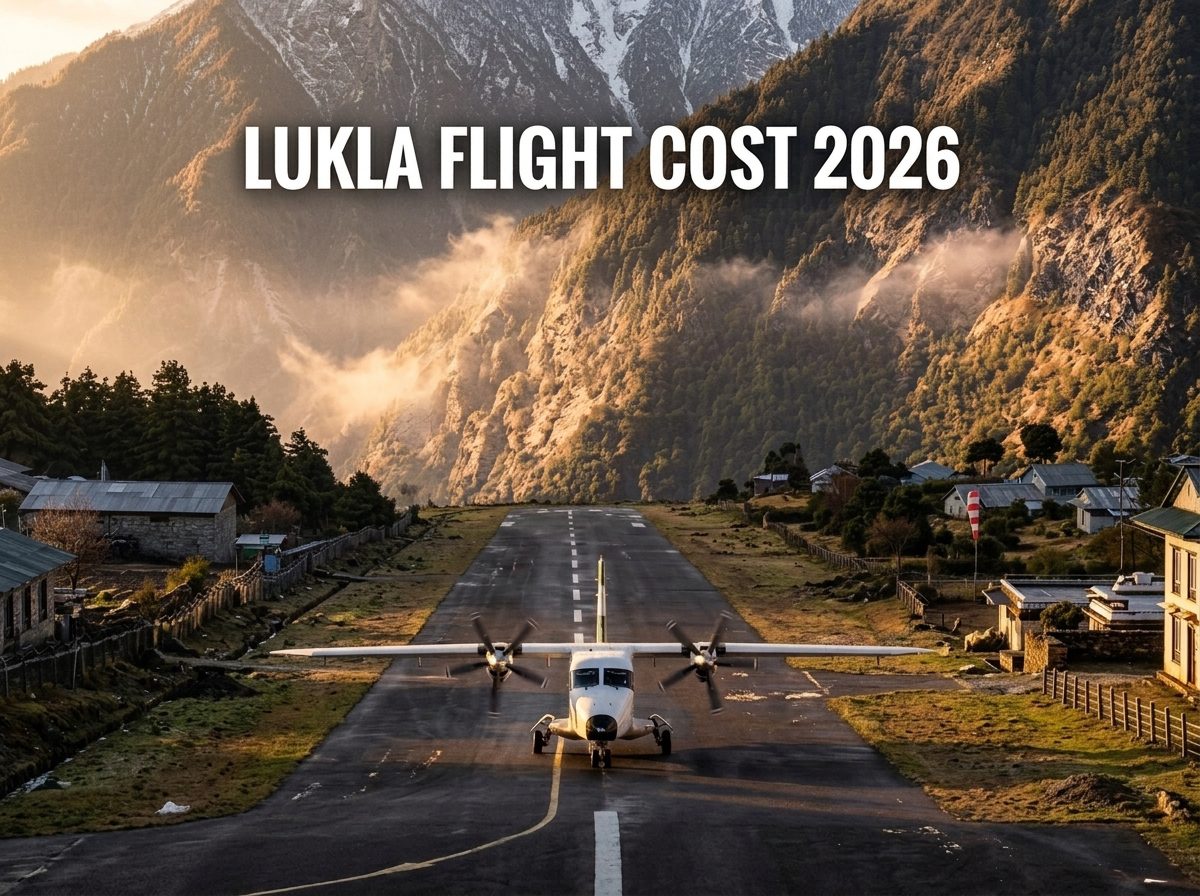
This trek usually takes five to seven days round trip, and because it doesn’t push much past 3,900 meters, the altitude-related risks are considerably lower than the full Everest Base Camp trek. That said, Lukla’s airstrip is notorious for flight delays and cancellations due to weather, and winter fog or wind can ground flights for a day or two at a time. Build slack into your schedule, especially on the front and back ends of the trip, so a delayed flight doesn’t blow up your whole itinerary.
Namche Bazaar itself is worth lingering in for a day regardless of the season — it’s the unofficial capital of the Khumbu region, with bakeries, gear shops, and a Saturday market that draws traders from surrounding villages. In winter the town empties out compared to its autumn bustle, but it still has enough going on to make a rest day there genuinely enjoyable rather than just a logistical necessity.
7. Annapurna Panorama Trek (Ghorepani to Ghandruk)
This trek is sometimes treated as a variation on Poon Hill, and in a sense it is, but it deserves its own spot on this list because of how it extends the experience beyond just the sunrise viewpoint. Instead of looping back the way you came after Poon Hill, this route continues onward through Tadapani and down into Ghandruk, one of the largest and most well-preserved Gurung villages in the Annapurna region.
The trek typically takes five to six days and tops out at the same 3,210-meter Poon Hill viewpoint as the standalone Poon Hill trek, but the extra days through Tadapani’s forest trails and into Ghandruk’s stone-paved streets give it a different rhythm. Ghandruk in particular is worth slowing down for — it’s a living village rather than a trekking waypoint, with a small museum dedicated to Gurung culture and history, and stone houses with slate roofs that have been there for generations.
Winter daylight in this region is shorter than in autumn, so plan your daily walking distances accordingly and aim to reach each stop with some daylight to spare. Snow is generally light at this altitude compared to higher routes like Langtang or ABC, which makes this a good option for trekkers who want a taste of snow and high mountain views without the more serious cold-weather gear required for the higher treks on this list.
What Winter Trekking in Nepal Actually Demands
A few things are worth saying plainly before you book anything.
Temperatures at altitude drop hard after sunset, often well below freezing even on routes that don’t go especially high. A sleeping bag rated for at least -10°C to -15°C isn’t optional gear, it’s the difference between sleeping and lying awake shivering until dawn. Pair it with proper thermal base layers, a solid down jacket, and waterproof, insulated boots with good tread, since icy patches show up on shaded sections of trail even on otherwise easy routes.
Daylight is shorter in December and January than it is in October, which means less margin for error if you’re slow on a particular day. Start early, and don’t plan overly ambitious daily distances assuming you’ll have autumn-length daylight to work with.
Some teahouses on quieter routes — Khopra Ridge is a good example — may close for the season if visitor numbers drop too low to justify staying open. Calling ahead through a local trekking agency, or simply checking recent trip reports from other winter trekkers, will save you from arriving at a closed lodge with nowhere to sleep.
Higher passes and routes that depend on crossing exposed, high-altitude terrain are genuinely riskier in winter due to snow accumulation and the chance of trails being temporarily impassable. This is less of a concern for the seven treks listed here, since none of them require crossing a major high pass, but it’s worth keeping in mind if you’re tempted to extend any of these into something more ambitious.
Finally, hiring a local guide is worth the money in winter even if you’d consider going independently in other seasons. Guides know current snow conditions, which teahouses are open, and how to adjust your itinerary on the fly if weather turns. It’s a relatively small cost relative to the rest of a trekking trip, and it removes a lot of the guesswork that comes with going during a quieter, less predictable season.
Final Thoughts
Winter trekking in Nepal asks a little more of you than the busier seasons do — more careful packing, more flexibility in your schedule, a bit more tolerance for cold nights in unheated teahouses. In exchange, it gives you something the autumn crowds rarely get: trails that feel quiet, skies that stay clear for days at a time, and mountain views that look sharper and more dramatic against a backdrop of snow.
Whether you’re drawn to the short, manageable climb up to Poon Hill, the quiet ridgeline of Mardi Himal, or the deeper cold of Langtang Valley, there’s a winter trek here for almost every level of experience. The mountains don’t close for the season. They just wait for fewer people to show up.
Comments (0)
Write a commentRead the latest Blogs & Insights
Explore our collection of articles and insights to gain in-depth travel knowledge, expert advice, and stay updated on the latest trends and tips.



No comments yet.