








Trekking Everest Base Camp in Winter: What Nobody Tells You Before You Go
There is a version of the Everest Base Camp trek that most people never see. It has no orange tents crowding the teahouse yards, no long lines at the Tengboche Monastery gate, no strangers snoring through the plywood walls of a packed lodge. It has frost on the inside of the windows, a single yak-dung […]
-
 Adventure Master Trek
-
5 June, 2026
-
10 mins read
-
564 Views
-
0 Comments


There is a version of the Everest Base Camp trek that most people never see. It has no orange tents crowding the teahouse yards, no long lines at the Tengboche Monastery gate, no strangers snoring through the plywood walls of a packed lodge. It has frost on the inside of the windows, a single yak-dung stove warming an entire dining room, and a sky so sharp and blue it almost looks fake. That version belongs to winter trekkers, and it is one of the most honest and rewarding things a person can do with two weeks and a good sleeping bag.
Trekking Everest Base Camp between December and February is not as popular as the spring or autumn seasons, and the trail reflects that immediately. The Khumbu region in peak season can feel less like a wilderness journey and more like a slow-moving queue toward the world’s most famous glacier. In winter, the queue disappears. What replaces it is something rarer: genuine stillness.
What Winter Actually Looks and Feels Like on the Trail
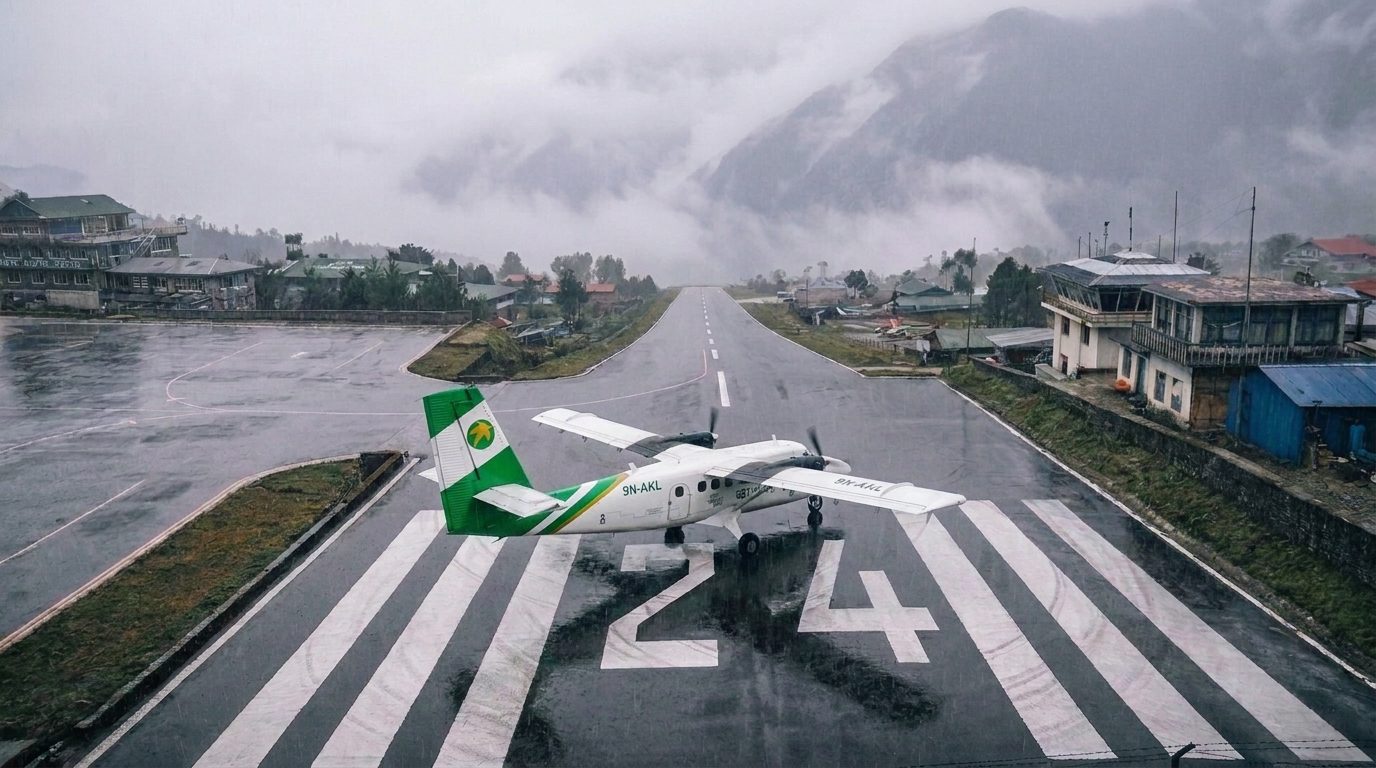
The flight into Lukla sets the tone. In October, that tiny aircraft is packed with trekkers comparing gear. In January, you might share the plane with a handful of people, a few locals carrying supplies, and the quiet understanding that you are doing something slightly unusual. Lukla sits at about 2,860 meters and in winter the air there already bites. By the time the plane lands and the cold hits you as the door opens, your body starts taking notes.
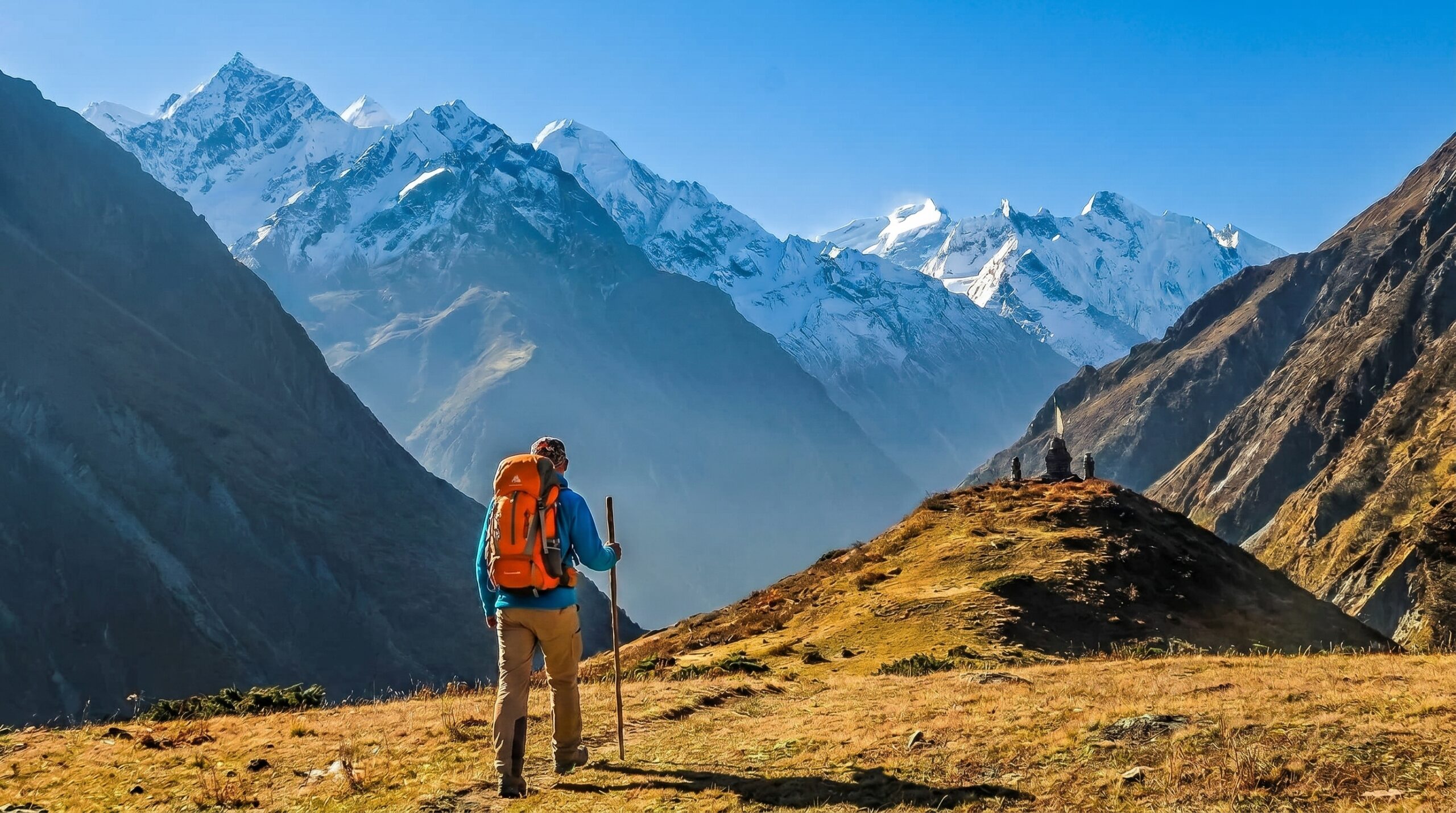
The walk from Lukla to Phakding on the first day is deceptively gentle. Pine forests line the trail, the Dudh Koshi River runs cold and fast below suspension bridges, and the snow at this altitude is patchy at most. Everything looks clean. The tourist clutter of peak season is gone, the trail is quiet underfoot, and the mountains visible through gaps in the ridgeline are coated in fresh white.
Namche Bazaar, at 3,440 meters, is the first real checkpoint on the route and the first place where winter makes itself known in a practical sense. Some bakeries and shops remain open because Namche is large enough to stay viable year-round, but the surrounding stalls and seasonal outfitters are shuttered. The town feels like a village rather than a trekking hub, and that shift in character is genuinely pleasant. Acclimatization days here are colder but quieter, and the views of Thamserku and Kongde Ri on a clear winter morning from the upper paths above town are worth every extra layer you are wearing.
Above Namche, the character of the trek changes. Tengboche Monastery at 3,870 meters sits in a clearing surrounded by tall rhododendron trees, and in winter those trees are bare and frosted. The monastery itself remains open and the monks continue their daily routines regardless of the season, which gives the place a feeling of continuity and calm that the high-traffic months cannot always offer. Sitting in the courtyard after walking all morning, with Ama Dablam framed perfectly to the southeast and the cold air sitting still around you, is one of those moments that makes the whole trip feel worth it before you have even reached base camp.
The Cold: Honest Numbers and What They Mean
People who have not trekked at altitude in winter often underestimate what the cold means in practice. At Namche in January, daytime temperatures hover around 2 to 5 degrees Celsius. That sounds manageable, and during sunny midday hours it genuinely is. The problem comes at night, and the problem compounds as you climb.
At Dingboche, around 4,360 meters, nighttime temperatures routinely fall to minus 15 degrees Celsius. At Gorak Shep, the last village before base camp sitting at 5,164 meters, minus 20 degrees Celsius at night is not unusual. At base camp itself, at 5,364 meters, temperatures can drop to minus 25 degrees Celsius after dark. These are not edge-case numbers. They are the expected range for a winter night in the high Khumbu.
What this means practically is that your sleeping bag matters enormously. A four-season bag rated to at least minus 20 degrees Celsius is not overcautious, it is necessary. Your boots need to be insulated and waterproof. Your gloves need to be serious mountain gloves, not the kind sold at airport shops. The trail between Lobuche and Gorak Shep, and the approach to Kala Patthar, will be snow-covered and potentially icy in patches. Microspikes or crampons for the final sections are worth carrying.
The cold also affects the teahouses in ways that catch people off guard. Water pipes freeze overnight at higher elevations. Washing your face in the morning sometimes means chipping ice. The common rooms, heated by a single stove burning yak dung or wood, are warm enough for the evenings, but once you leave that room and head to your sleeping quarters, you are on your own. The rooms are unheated. This is not a criticism of the teahouses. It is simply the reality of infrastructure at 4,000 to 5,000 meters in the middle of a Himalayan winter.
Teahouses, Food, and What to Expect Along the Way
One of the most common concerns among people considering a winter trek is teahouse availability. The honest answer is that the lower sections of the trail, up through Namche and Tengboche, have enough open lodges that finding accommodation is not a problem. Above Dingboche, the options narrow. Some teahouses close entirely for winter, and those that remain open may have limited menus and reduced supplies.
Trekking communities online consistently report that above Lobuche, trekkers should not assume they can pick and choose their accommodation. Confirming in advance which teahouses are operating, either through a local guide or a reputable agency, prevents the unpleasant surprise of arriving at a village in the dark and finding the doors locked.
The food that does remain available is functional rather than varied. Dal bhat, the classic Nepali lentil soup with rice, is almost always on the menu and is genuinely the best choice at altitude because it is hot, filling, and freshly cooked. Noodle soups, fried rice, and chapati appear regularly. Specialty items and fresh vegetables become harder to find higher up. Carrying your own snacks, chocolate, energy bars, and nuts supplements the teahouse menu well and keeps your energy up on long walking days.
Hot drinks are important beyond just comfort. At altitude in winter, dehydration is a genuine risk because the cold air reduces the sensation of thirst. Drinking warm lemon tea or ginger tea throughout the day keeps fluid intake consistent and the warmth it provides is not a small thing when the wind picks up on an exposed ridge.
The Photography Argument for Winter
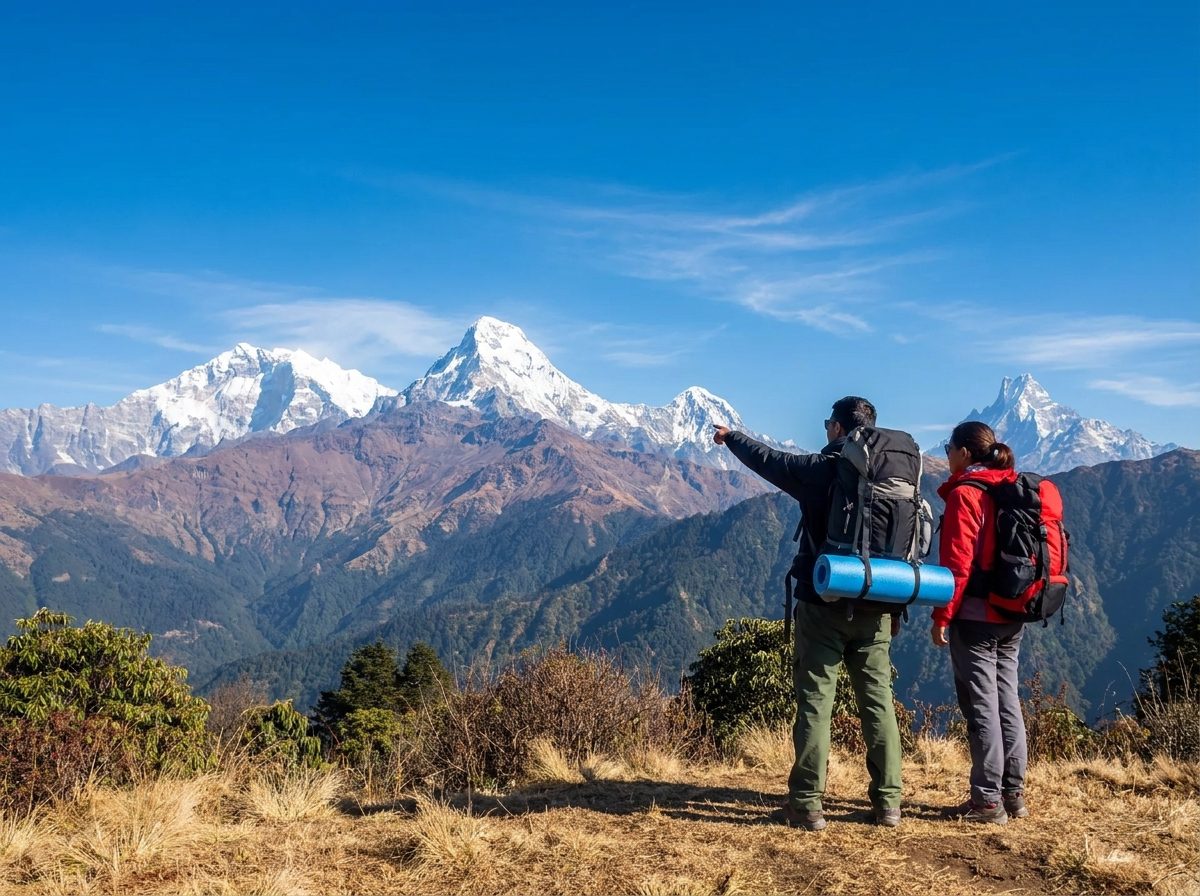
Anyone serious about landscape photography who has not considered a winter EBC trek is missing one of the clearest and most dramatic natural light environments available anywhere on the planet. The monsoon is gone, the dust is gone, and the haze that can blur distant peaks in warmer months simply does not exist. The air is extraordinary in its clarity.
Sunrise from Kala Patthar, at 5,545 meters and the highest accessible viewpoint on the standard EBC route, in January is a genuinely singular experience. The golden light that first touches Everest’s summit spreads slowly down the face of the mountain while the valley below remains in deep blue shadow. The peaks of Lhotse and Nuptse catch the same light moments later. The view is sharp enough to make peaks that look like photographs appear real and close.
The snowfield around base camp in winter adds texture to the landscape that the summer glacier does not offer in the same way. Khumbu Glacier in December and January is white and defined, the seracs catching low winter light in ways that make every frame worth keeping. Fewer people in the frame is not a small benefit either.
Altitude Sickness Does Not Take a Season Off
Some trekkers assume that because winter is the off-season and the air is crisp and clear, altitude sickness is somehow less of a risk. This is incorrect. Acute Mountain Sickness operates on the same principles regardless of the month. The altitude is identical, the oxygen at 5,000 meters is identical, and the body’s need to acclimatize properly is identical.
The standard acclimatization schedule should not be compressed in winter just because the trails are quieter or because you feel good. Rest days at Namche and Dingboche exist for a reason. The climb-high, sleep-low principle applies fully. Headaches, nausea, and fatigue at altitude are signals that the body needs time, not forward momentum.
Carrying altitude sickness medication, specifically Diamox, is worth discussing with a doctor before the trip. A pulse oximeter is a small and inexpensive tool that gives you a real-time reading of your blood oxygen saturation and is worth packing. Below 90 percent saturation is a signal to pay attention. Below 85 percent and descending rather than continuing is the right decision, whatever the season.
Permits and Practical Logistics
The permit system for EBC trekking applies equally in winter. Trekkers need the Sagarmatha National Park entry permit and the Khumbu Pasang Lhamu Rural Municipality trekking permit. Both can be arranged in Kathmandu before flying to Lukla, and this is strongly recommended over trying to sort paperwork at the trailhead.
Flights to Lukla from Kathmandu operate through Tribhuvan International Airport for much of the year. Weather delays at Lukla are more common in winter than in the stable autumn season because snow can temporarily close the runway. Building extra days into the itinerary at either end of the trek is not being overcautious. It is the reasonable thing to do. Trekkers who schedule their departure from Kathmandu the morning after their flight back from Lukla regularly get stranded by a one-day closure.
Travel insurance that explicitly covers high-altitude trekking and helicopter evacuation is not optional. The cost of a helicopter evacuation from Gorak Shep without insurance is substantial enough to create a serious financial problem for most people. With insurance it is a phone call and a wait. Make the call before you book anything else.
Why Winter Makes the Trek Harder and Better
The most honest summary of trekking EBC in winter is this: it is harder in the ways that matter for safety and logistics, and better in the ways that matter for the experience itself.
The cold is real and it demands preparation. Fewer open teahouses demand flexibility. The shortened daylight hours, with the sun setting early behind western ridgelines, demand earlier starts and disciplined pacing. These are not reasons to avoid the winter. They are simply the conditions that filter out the casual and reward the prepared.
What the prepared trekker finds is a trail that feels like it was made for walking rather than queuing. Views of Everest, Nuptse, Lhotse, Ama Dablam, and Pumori that are cleaner and sharper than any other time of year. Teahouse owners who are genuinely glad to see you and willing to talk about the mountain and the valley and the life they build here. A rhythm of days that is defined by the walk itself rather than by the crowd around you.
Standing at base camp in January, with the Khumbu Icefall ahead and the absolute silence of a high-altitude winter morning around you, is something that cannot be fully described. It can only be earned. The winter is how you earn it.
Comments (0)
Write a commentRead the latest Blogs & Insights
Explore our collection of articles and insights to gain in-depth travel knowledge, expert advice, and stay updated on the latest trends and tips.




No comments yet.