








Monthly Guide to Everest Base Camp Helicopter Tours
Wondering when to book an Everest Base Camp helicopter tour? This month-by-month guide explains weather conditions, mountain visibility, flight reliability, seasonal costs, and the pros and cons of flying to Everest during each month of the year.
-
 Adventure Master Trek
-
23 July, 2026
-
9 mins read
-
535 Views
-
0 Comments


If you’re weighing whether to trek to Everest Base Camp over twelve grueling days or simply fly there in a few hours, you’ve probably already found yourself down a rabbit hole of conflicting advice about “the best time to go.” Some sites tell you spring is ideal. Others swear by autumn. A few mention winter almost as an afterthought, and monsoon barely gets a mention at all — for good reason.
The truth is, Everest Base Camp helicopter tours run year-round, but not every month gives you the same experience, the same visibility, or the same odds of your flight actually happening on schedule. Since the entire appeal of a heli tour is seeing the mountains clearly — Everest, Lhotse, Nuptse, Ama Dablam — from a few thousand feet up, timing matters more here than it does for most trips.
This guide breaks the year down month by month, so you can match your travel dates to what actually works, rather than booking blind and hoping for clear skies.

Quick Answer: Best Months at a Glance
If you only remember one thing from this guide, remember this: March through May, and September through December, are your strongest windows. Late spring and post-monsoon autumn give you the most reliable weather and the sharpest mountain views of the year. Everything else below fills in the details.
January: Cold, Clear, and Quiet
January sits in the heart of winter, and while temperatures at altitude drop well below freezing, the trade-off is often strikingly clear air. Fewer clouds, minimal haze, and a Himalayan skyline that looks almost unreal in photos. The catch is unpredictability — snowstorms can roll in with little warning, and landing at Kala Patthar or near Base Camp becomes trickier when visibility drops fast. Flights are generally still operating, but expect more schedule flexibility to be built into your booking, and dress like you mean it.
February: The Shoulder Month Nobody Talks About
February is an underrated month for this tour. It’s still winter, so you’ll get cold, dry air and often excellent morning visibility, but it’s noticeably quieter than the peak spring and autumn crowds. If you’re trying to avoid the group-tour scramble for seats that happens in October or April, February is worth a look. Just know that some operators reduce frequency this month due to lower overall demand, so book a few days ahead rather than expecting a same-day seat.
March: Spring Arrives, and So Does the Season
March marks the real start of the spring season, and it’s when the Everest region starts waking up. Rhododendrons begin blooming lower on the trails, temperatures moderate, and helicopter operators ramp up their schedules to match rising demand. Visibility is generally strong, though afternoon cloud build-up becomes more common as the month goes on — another reason nearly every operator schedules these flights at first light, before the valleys heat up and clouds start forming.
April: Peak Spring, Peak Demand
April is one of the two busiest months of the year for Everest Base Camp helicopter tours, largely because it overlaps with the main Everest climbing season. Expedition teams are actively at Base Camp this month, which means your flyby often includes a genuine glimpse of tent camps and climbers preparing for summit pushes — something you simply won’t see in the off-season. Skies are typically clear in the early morning, rhododendron forests are in full bloom lower in the valley, and demand is high enough that shared group seats can sell out weeks in advance. If April is your target month, book early.
May: Late Spring, Last Call Before Monsoon
May keeps most of April’s advantages — clear mornings, active Base Camp expedition activity, good visibility — but temperatures climb a bit and afternoon weather starts to get less predictable as the pre-monsoon buildup begins. Early-to-mid May is generally still excellent. By late May, operators start watching weather forecasts more closely, since monsoon patterns can start creeping in from the south earlier in some years than others.
June: Monsoon Begins, Book with Flexibility
June is when the monsoon season typically settles in, and it’s genuinely the trickiest month on this list. Rain, low cloud cover, and reduced visibility are common, and helicopter operators will delay or reschedule flights rather than risk a landing in poor conditions — which is exactly the right call, even if it’s frustrating to hear as a traveler. If you’re set on a June trip, build in a couple of spare days around your scheduled flight date, since most reputable operators offer rescheduling or refunds for weather cancellations rather than forcing you to fly in unsafe conditions.
July: Deep Monsoon, Least Predictable Month
July tends to be the wettest month of the year in this region, and it’s realistically the least reliable time to book a helicopter tour. Flights absolutely still happen — usually squeezed into brief clear windows in the early morning — but cancellations and rescheduling are more common than any other month on this calendar. If your travel dates are fixed and July is your only option, go in with flexible expectations and choose an operator with a clear, generous cancellation and rebooking policy.
August: Monsoon’s Tail End
August carries over much of July’s unpredictability, though the second half of the month sometimes starts to show the first signs of monsoon easing. Mornings can occasionally deliver a genuinely clear flight, but this isn’t a month to build a tight itinerary around. If you’re traveling in August for other reasons and want to add a helicopter tour opportunistically, keep your schedule loose enough to grab a clear morning if one appears.
September: Post-Monsoon Clarity Begins
September is where things turn around fast. As monsoon rains taper off, they wash a lot of atmospheric dust and haze out of the air, and the result is often some of the sharpest, clearest mountain visibility of the entire year. Early September can still see some lingering monsoon influence, but by mid-to-late September, conditions typically stabilize significantly, kicking off what many operators consider the start of the best season of the year.
October: The Single Best Month of the Year
If you’re optimizing purely for the clearest possible views and the most reliable flight schedule, October is generally considered the strongest month for an Everest Base Camp helicopter tour. Skies are typically crisp and blue, temperatures are comfortable rather than brutal, and the mountain panoramas — Everest, Ama Dablam, Nuptse, Lhotse — tend to be about as sharp as they get. This is also peak trekking season on the ground, which means it’s the busiest month for helicopter bookings too. Shared seats can fill up well in advance, so this is not a month to book last-minute if you have your heart set on a specific date.
November: Clear Skies, Cooling Temperatures
November holds onto most of October’s clarity while temperatures start dropping toward winter levels. Mornings are typically crisp, dry, and clear, making for excellent photography conditions, though you’ll want warmer layers than you would in October. Demand is still high this month, just slightly behind the October rush, which occasionally makes it a bit easier to grab a seat on shorter notice.
December: Cold, Often Clear, Quieter Crowds
December sits at the edge between autumn’s stability and winter’s unpredictability, and it tends to lean toward the good side of that split. Cold, dry air often keeps skies remarkably clear, and with holiday season demand concentrated around specific weeks, you can sometimes find better availability outside the busiest stretch. Just note that landing time at high-altitude points like Kala Patthar may be shortened in the coldest weeks, simply due to how harsh conditions get up there.
How Pricing Shifts Across the Year
Cost is influenced by season, but maybe not as dramatically as you’d expect. As of 2026, shared group tours with a landing typically run somewhere around USD 1,150 to USD 1,500 per person, while private charters generally range from about USD 2,500 up to USD 6,500 depending on group size, route, and operator. Peak months like April and October tend to push shared-seat availability down rather than pricing up dramatically — most reputable operators follow fairly consistent rate structures year-round rather than surge pricing based on demand. What changes more than price is how far in advance you need to book to actually get a seat.
A Few Practical Notes Before You Book
- Morning flights are the norm, not a marketing gimmick. Himalayan weather is calmest before mid-morning, so nearly every operator schedules departures at first light, regardless of season.
- Build in spare days if you’re traveling during shoulder or monsoon months. Weather cancellations happen, and reputable companies will rebook or refund rather than fly in unsafe conditions.
- Book early for April and October. These are the two months where shared-seat availability genuinely becomes a limiting factor, not just a pricing one.
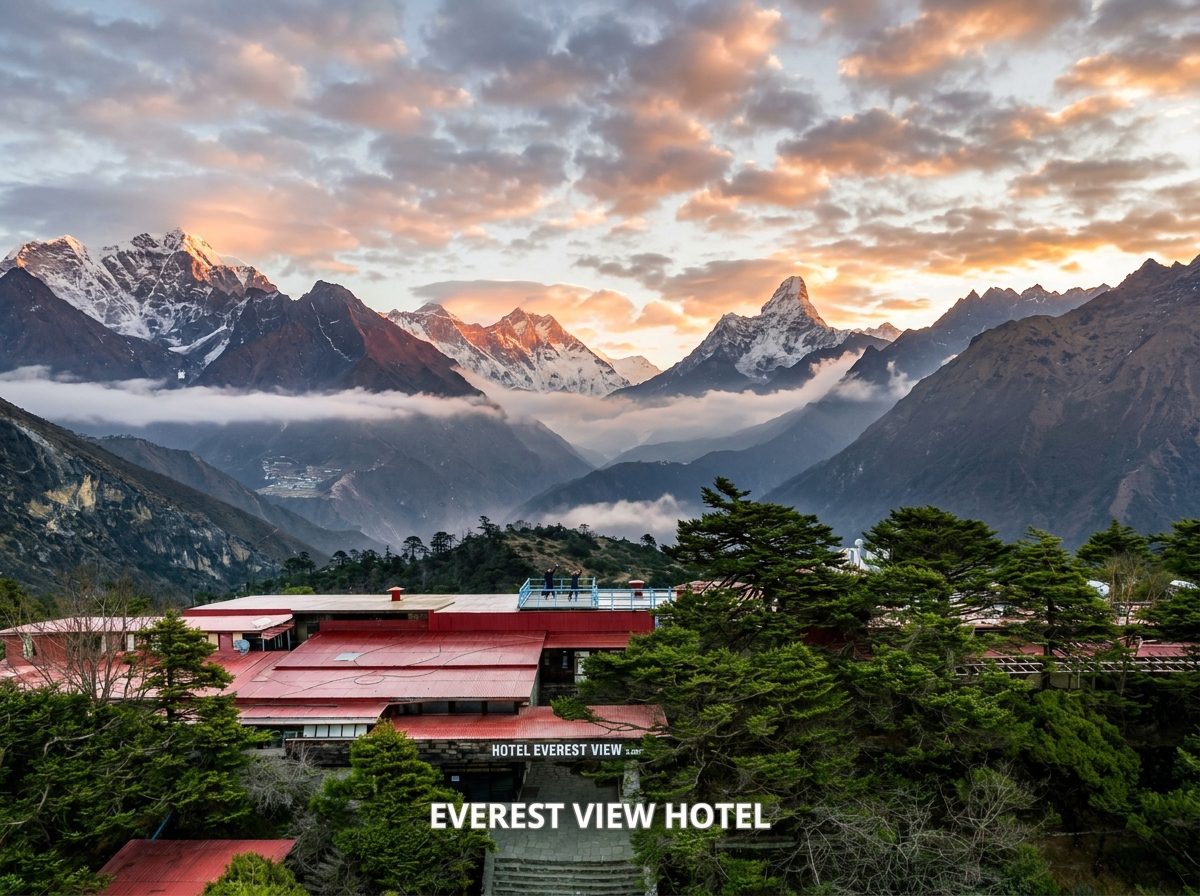
- Confirm what’s included. Landing time at Kala Patthar or Base Camp, breakfast at Everest View Hotel, and refueling stops at Lukla vary between operators and packages.
Final Thought
There isn’t a single “correct” month to fly to Everest Base Camp by helicopter — there’s a best month for your priorities. Want the clearest possible views and don’t mind crowds or advance booking? Aim for October. Want to see active expedition camps at Base Camp? April is your window. Traveling on a fixed date regardless of season? Just build in flexibility, pick an operator with a fair weather-cancellation policy, and let the mountains decide the rest.
Frequently Asked Questions
What is the best month for an Everest Base Camp helicopter tour?
October is generally considered the single best month, thanks to consistently clear post-monsoon skies and stable morning weather. April is a close second, with the added draw of active Everest expedition season.
Can you fly to Everest Base Camp by helicopter during monsoon season?
Yes, but expect more delays and rescheduling. June through August is the least predictable window of the year, and flights are more likely to be pushed to a clear morning window rather than departing on the exact scheduled date.
Is winter a bad time to book?
Not necessarily. December through February often delivers surprisingly clear skies thanks to cold, dry air, though landing time at high-altitude points can be shorter due to harsh conditions, and sudden snowstorms remain a real possibility.
How far in advance should I book?
For April and October, aim for several weeks to a couple of months ahead if you want a shared seat on a specific date. Other months are typically more flexible, though a few days’ notice is still a safe minimum.
Comments (0)
Write a comment- Quick Answer: Best Months at a Glance
- January: Cold, Clear, and Quiet
- February: The Shoulder Month Nobody Talks About
- March: Spring Arrives, and So Does the Season
- April: Peak Spring, Peak Demand
- May: Late Spring, Last Call Before Monsoon
- June: Monsoon Begins, Book with Flexibility
- July: Deep Monsoon, Least Predictable Month
- August: Monsoon’s Tail End
- September: Post-Monsoon Clarity Begins
- October: The Single Best Month of the Year
- November: Clear Skies, Cooling Temperatures
- December: Cold, Often Clear, Quieter Crowds
- How Pricing Shifts Across the Year
- A Few Practical Notes Before You Book
- Final Thought
- Frequently Asked Questions
Read the latest Blogs & Insights
Explore our collection of articles and insights to gain in-depth travel knowledge, expert advice, and stay updated on the latest trends and tips.



No comments yet.