








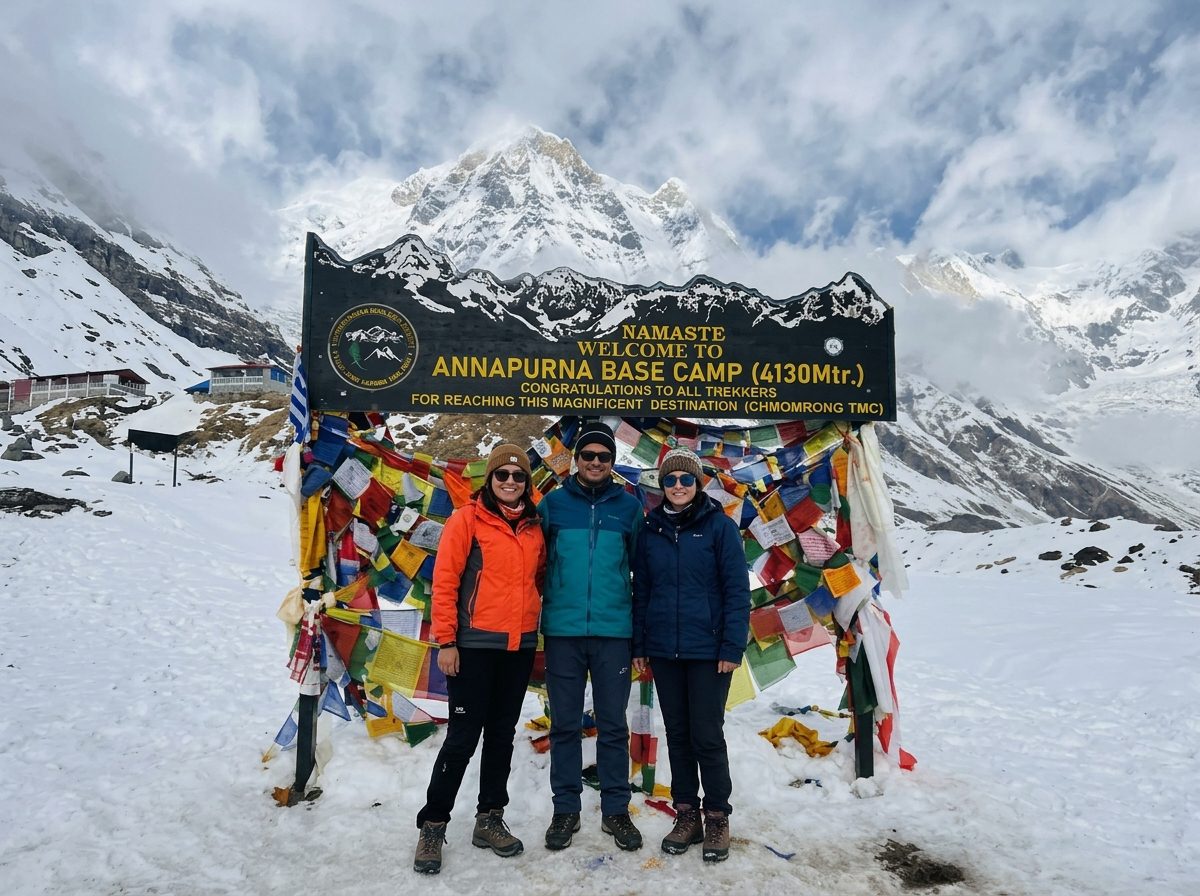
How Much Does the Annapurna Base Camp Trek Cost in 2027?
Planning an Annapurna Base Camp trek in 2027? Explore the complete cost breakdown, from trekking permits and guide fees to food, accommodation, transportation, and other expenses. Find out how much to budget for your Himalayan adventure.
-
 Adventure Master Trek
-
13 November, 2026
-
14 mins read
-
1 Views
-
0 Comments


Key Takeaway: In 2027, a standard 10-day Annapurna Base Camp (ABC) trek booked through a licensed local Nepali operator costs between $800 and $1,150 per person, covering permits, ground transport, licensed guide, porter, teahouse lodging, and three daily meals. Independent hikers managing their own food and basic logistics can complete the route for roughly $600 to $800, while luxury helicopter return packages range from $1,600 to $2,200. Because the trek avoids expensive mountain flights and has shorter supply lines than Everest, ABC remains one of the most accessible and cost-effective classic routes in the Himalayas.
Sit down at any café along Lakeside in Pokhara in October or April, and you will hear trekkers comparing what they paid for the Annapurna Base Camp trek.
A solo backpacker staying in a hostel will proudly tell you they are doing it for $550. Two British hikers at the next table will mention they paid an online agency $1,400 each. Meanwhile, an American couple booked through a travel agency in New York is paying $3,400 for the exact same 10-day itinerary, walking on the exact same stone steps, and ordering the exact same vegetable noodle soup.
Why is there a $2,800 spread for walking the exact same mountain trail?
The Annapurna Base Camp trek (4,130 meters / 13,550 feet) is significantly more affordable than the Everest Base Camp trek, primarily because you do not have to pay for expensive internal mountain flights to Lukla. But between mandatory guide regulations, park permits, jeep transfers, and teahouse incidentals, costs add up quickly if you don’t understand how pricing works on the trail.
Below is the complete, itemized cost breakdown for the Annapurna Base Camp trek in 2027 — detailing every expense from the tourist bus out of Kathmandu to a hot bucket shower in the Sanctuary.
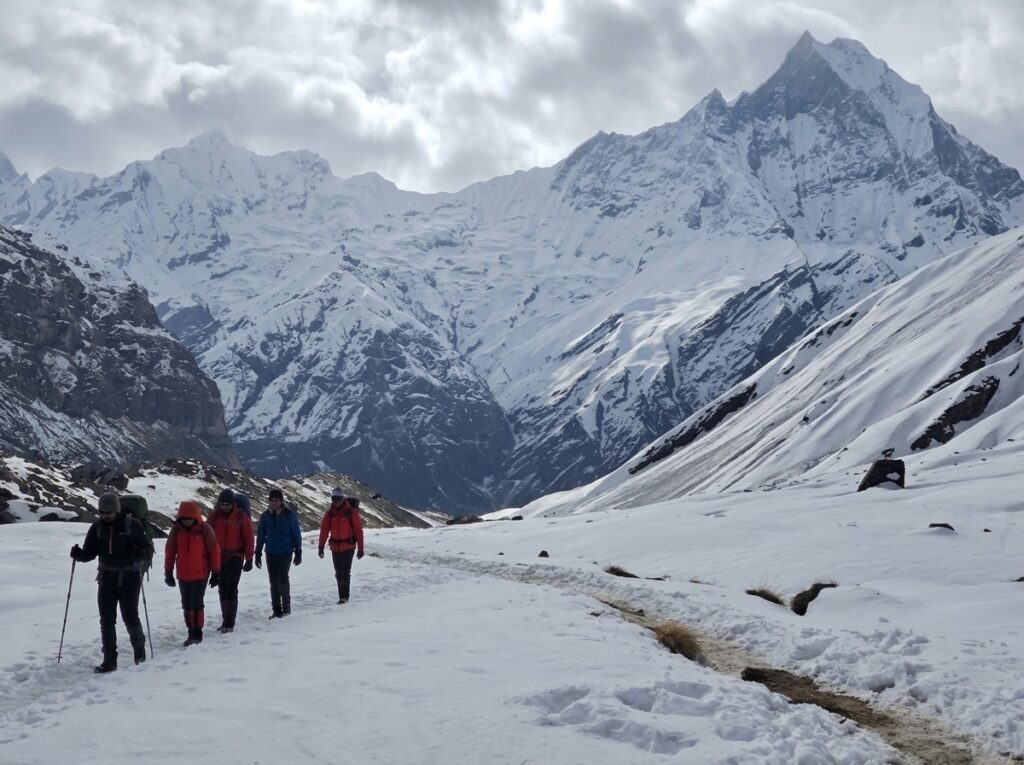
ABC Trek Cost at a Glance: 4 Ways to Travel
How much you spend depends on whether you book an all-inclusive package, organize your own crew, or upgrade to helicopter transit:
| Trekking Style | Total Cost (USD) | What Is Included | Who It Is Best For |
| Budget / Independent Guided | $600 – $800 | Licensed guide only, mandatory permits, local bus transport. You pay for your own meals, showers, and rooms as you go. | Experienced budget hikers and solo travelers comfortable managing daily cash in rupees. |
| Standard Full-Service (Local Operator) | $800 – $1,150 | All permits, Kathmandu-Pokhara transit, private jeep to trailhead, licensed guide, porter, all teahouse rooms, 3 meals daily, hot drinks. | The sweet spot. 85% of trekkers. Zero hassle, maximum safety, fair local wages, and no hidden surprises. |
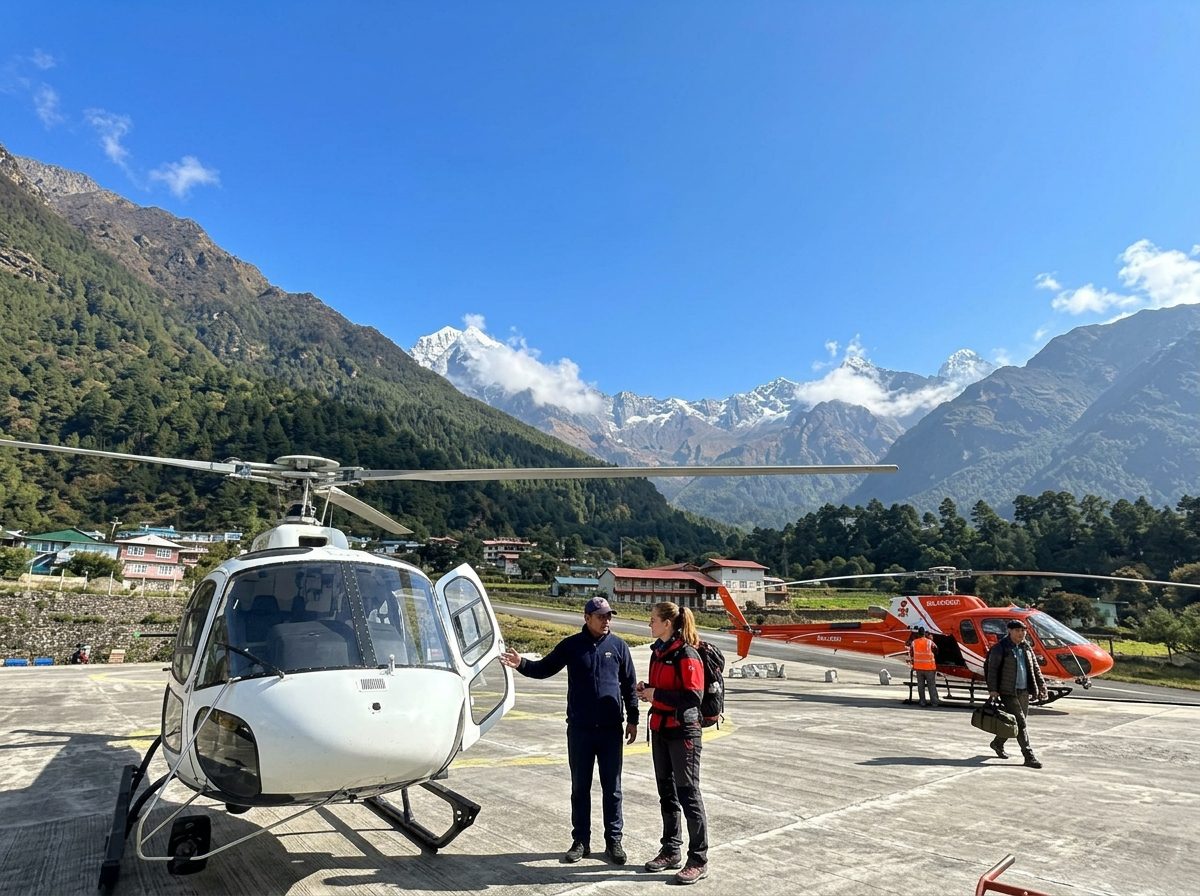
| Luxury Helicopter Return Package | $1,600 – $2,200 | Standard 5-day trek up into the Sanctuary to Base Camp, followed by a direct helicopter flight from ABC back to Pokhara. | Hikers short on vacation time who want the amphitheater views without walking down 10,000 stone stairs. |
| Western International Agency | $2,200 – $3,800+ | The exact same teahouses and trails as local operators, but booked through a US/UK brand with corporate overhead and Western trip leaders. | Travelers who prefer booking through a domestic agency at home and don’t mind a 100% markup. |
Itemized Cost Breakdown: Every Dollar Explained
Here is where your money actually goes when preparing for and completing the Annapurna Base Camp trek.
| Major Fixed Costs (60%) | Daily Trail Expenses (40%) |
| • ACAP & TIMS Permits: ~$42 total | • Food & Hot Tea: 25–35 per day |
| • Ground Transport (KTM–Pokhara–Trailhead): 40–150 | • Teahouse Room: 5–10 per night |
| • Licensed Guide: 30–35 per day | • Hot Showers & Battery Charging: 5–8 per day |
| • Porter: 20–25 per day | • Purified Drinking Water: 2–4 per day |
1. Permits and Government Fees: ~$42 USD
Every trekker entering the Annapurna region must obtain two government-mandated documents. Unlike the Everest region, the traditional TIMS card is still actively enforced across the Annapurna Conservation Area.
| Permit Type | Cost in Nepali Rupees (NPR) | Cost in USD (Approx.) | Where It Is Purchased |
| Annapurna Conservation Area Permit (ACAP) | NPR 3,000 (+13% VAT = NPR 3,390) | ~$26 USD | Nepal Tourism Board offices in Kathmandu or Pokhara |
| TIMS Card (Trekkers’ Information Management System) | NPR 2,000 | ~$15 USD | Processed through your registered trekking agency |
| Total Mandatory Permits | NPR 5,390 | ~$41 – $42 USD | Required at police checkpoints (Birethanti, etc.) |
Note: If you book an all-inclusive agency package, these permits are pre-arranged and included in your total quote.
2. Transportation: Getting from Kathmandu to the Trailhead
Getting to the Annapurna Base Camp trailhead requires two travel legs: traveling from Kathmandu to Pokhara, and then taking local transport from Pokhara into the foothills (Nayapul, Siwai, or Ghandruk).
| Route & Transport Option | Round-Trip Cost (USD) | Travel Time | Notes & Comfort Level |
| Tourist Bus (Kathmandu to Pokhara round-trip) | $25 – $40 | 7 to 9 hours each way | Comfortable reclining seats, AC, lunch stops. The classic budget option along the Prithvi Highway. |
| Domestic Flight (Kathmandu to Pokhara round-trip) | $200 – $250 (Foreigners) | 25 minutes each way | Fast, reliable scenic flight along the Himalayan chain. Saves two full driving days. |
| Private Jeep / Taxi (Pokhara to Siwai / Nayapul round-trip) | $70 – $100 total per vehicle | 2.5 to 3 hours each way | Seats up to 4–5 passengers. Dropping at Siwai skips the dusty unpaved road walking on Day 1. |
| Local Shared Bus / Jeep (Pokhara to Nayapul round-trip) | $8 – $14 per person | 3.5 to 4 hours each way | Crowded, loud, extremely cheap. Suitable only for hardcore budget backpackers. |
Most standard agency packages include the tourist bus from Kathmandu to Pokhara and a private 4WD jeep directly to the trailhead at Siwai or Ghandruk. If you prefer to fly between Kathmandu and Pokhara to save time, simply add roughly $180 USD to your overall trip budget.
3. Guide and Porter Wages: The Mandatory Crew
In 2023, the Nepal Tourism Board made licensed trekking guides legally mandatory across all national parks and conservation areas, including the Annapurna Sanctuary. Independent solo trekking without a guide is no longer legally permitted.
Beyond the regulation, hiring local crew is the single best investment you can make for trail safety, cultural insight, and knee preservation on the stone stairs.
| Crew Member | Daily Rate (USD) | Total for 10 Days | What Their Daily Rate Covers |
| Licensed Trekking Guide | $30 – $35 / day | $300 – $350 | Trail navigation, daily pace management, oxygen monitoring, lodge reservations, emergency evacuation logistics, their food, lodging, and mountain insurance. |
| Porter (Carries up to 20–22 kg) | $20 – $25 / day | $200 – $250 | Carries main duffel bags between villages, their own food, lodging, and mandatory porter medical/rescue insurance. |
| Guide-Porter (Porter who speaks basic English) | $25 – $28 / day | $250 – $280 | Carries a lighter load (~10–12 kg) while guiding the trail. Best for solo budget travelers. |
Fair Wage Warning: If an unlicensed broker offers you a porter for $12 or $15 a day, walk away. Legitimate agencies adhere to union standards, paying fair daily wages and providing proper high-altitude jackets, boots, and emergency insurance. Exploiting porters on the steep stairs of Chhomrong is unethical and unsafe.
4. Teahouse Accommodation: The Subsidized Room Catch
Accommodation along the Annapurna Base Camp route consists of family-run stone lodges. In lower villages (Ghandruk, Chhomrong, Landruk), lodges are comfortable, often featuring private twin rooms with attached flush toilets.
Above Deurali, space inside the narrow Sanctuary is strictly controlled by park authorities. Only six lodges exist at Machhapuchhre Base Camp and four at Annapurna Base Camp, meaning rooms are simple and dormitory sharing is common during peak season.
| Altitude Zone | Room Cost / Night (Twin Share) | The “Dinner Rule” Condition |
| Lower Foothills (Tikhedhunga, Ghandruk, Jhinu) | $5 – $7 (NPR 700 – 900) | You must eat dinner and breakfast at the lodge. |
| Mid-Canyon (Bamboo, Dovan, Himalaya) | $6 – $8 (NPR 800 – 1,100) | Standard wooden rooms with shared hallway toilets. |
| High Sanctuary (Deurali, MBC, ABC) | $8 – $12 (NPR 1,100 – 1,600) | Basic wooden rooms or dorm beds. Blankets provided, but down sleeping bag is essential. |
⚠️ The Teahouse “Dinner Rule” Penalty
Like the Everest region, the Annapurna Lodge Association enforces a strict subsidy policy: cheap room rates are conditional on purchasing your evening dinner and morning breakfast at the lodge.
If you sleep in a teahouse but choose to eat your meals at a different lodge down the village path, your room rate will immediately increase from $6 to a penalty rate of $20 to $30 USD.
For a standard 10-day trek, total teahouse lodging costs roughly $60 to $90 USD per person based on double occupancy.
5. Food and Hot Drinks: Why ABC Is Cheaper Than Everest
Because the Annapurna region is closer to major agricultural hubs and road access ends closer to the high camps, food prices on the ABC trek are roughly 20% to 30% lower than on the Everest Base Camp trek.
Mules and porters only have to haul food for three to four days to reach Base Camp, compared to a week of transport in the Khumbu.
Here is the realistic price curve for standard meals and drinks on the ABC route in 2027:
| Menu Item | Price in Ghandruk (1,940m) | Price in Chhomrong (2,170m) | Price at ABC (4,130m) |
| Dal Bhat (Lentils, rice, curry with free refills) | $4.50 (NPR 600) | $5.50 (NPR 700) | $8.00 (NPR 1,050) |
| Veg Fried Rice or Chowmein (Noodles) | $3.50 (NPR 450) | $4.50 (NPR 600) | $6.50 (NPR 850) |
| Porridge / Oatmeal with honey or banana | $3.00 (NPR 400) | $4.00 (NPR 500) | $5.50 (NPR 700) |
| Garlic Soup (Traditional altitude remedy) | $2.50 (NPR 300) | $3.00 (NPR 400) | $4.50 (NPR 600) |
| Pot of Ginger Lemon Honey Tea (Medium) | $3.50 (NPR 450) | $4.50 (NPR 600) | $7.00 (NPR 900) |
| Snickers / Chocolate Bar | $1.20 (NPR 150) | $1.80 (NPR 250) | $3.00 (NPR 400) |
- Daily Food & Hot Drink Budget: Budget $25 to $35 USD per day for three hearty meals, afternoon tea, and snacks.
- Total Food for 10 Days: $250 to $350 USD per person.
Guide Tip on Nutrition: Order Dal Bhat. Not only is it freshly cooked every evening, but it is also the only meal on the mountain that includes automatic, unlimited second helpings of rice, lentil soup, and vegetable curry. After climbing 3,000 stairs to Ulleri, a double serving of Dal Bhat is the best fuel you can buy.
6. Hidden Trail Expenses: The Daily Incidentals
Teahouse rooms do not have electrical outlets or central heating. If you want a hot shower, a charged camera battery, or Wi-Fi to message home, expect small daily cash fees.
| Incidental Service | Cost on the Trail | Frequency over 10 Days | Total Estimated Budget |
| Hot Shower (Gas or solar bucket) | $2.50 – $4.50 per shower | ~3 to 4 showers | $10 – $18 |
| Phone / Camera Charging | $2.00 – $3.00 per full charge | ~5 charges | $10 – $15 |
| Power Bank Charging (20,000 mAh) | $4.00 – $6.00 per charge | ~2 charges | $8 – $12 |
| Teahouse Wi-Fi Access | $2.50 – $4.00 per day or device | ~5 days (signal drops above Deurali) | $12 – $20 |
| Jhinu Danda Hot Springs Entry Fee | $1.50 (NPR 200) | 1 visit on descent day | $1.50 |
| Safe Drinking Water Station Refills | $0.70 – $1.20 per liter (NPR 80–150) | 3 liters per day | $20 – $30 |
| Total Hidden Incidentals | ~$60 – $95 USD |
Money-Saving Tip: Bring chlorine dioxide water purification tablets from home or buy a strip in Pokhara for $4. You can fill your Nalgene bottles from clean teahouse taps for free, drop in a tablet, wait 30 minutes, and completely avoid paying for water refills.
7. Tipping Your Guide and Porter
In Nepal, tipping is customary and represents an essential supplement to seasonal crew income. Tips are traditionally presented in cash during the final dinner celebration on the last night of the trek (usually in Jhinu Danda or back in Pokhara).
The industry standard benchmark across the Annapurna region is 10% to 15% of your total trek cost.
| Crew Member | Standard Daily Tip from Group | 10-Day Suggested Total |
| Trekking Guide | $10 – $14 per day from group | $100 – $140 USD |
| Porter | $7 – $10 per day from group | $70 – $100 USD |
If you are a party of two or three trekkers, you pool this total together. A solo trekker with a private guide and porter should budget roughly $150 to $200 USD total for their crew’s tips.
8. Travel & Medical Evacuation Insurance
Do not attempt the Annapurna Base Camp trek without verified medical and evacuation insurance.
While ABC peaks at 4,130 meters (lower than Everest Base Camp’s 5,364m), it is located inside a deep, narrow mountain canyon with zero road access. If you suffer a severe knee ligament tear, a broken ankle on wet stone stairs, or severe acute mountain sickness above Deurali, your only rapid exit is a helicopter evacuation.
A private emergency helicopter rescue from the Annapurna Sanctuary to a hospital in Pokhara costs between $1,800 and $2,800 USD out-of-pocket if uninsured.
- Cost of a 30-Day Policy Covering up to 4,500m: $100 – $180 USD
- Recommended Insurers: World Nomads, Global Rescue, Allianz, or Ripcord (ensure your policy explicitly includes helicopter rescue up to 4,500 meters).
Why Is ABC Almost Half the Price of EBC?
Trekkers are often surprised that a 10-day Annapurna Base Camp trek costs roughly $900 to $1,150, while a 14-day Everest Base Camp trek costs $1,400 to $1,850+.
The price difference comes down to three operational realities:
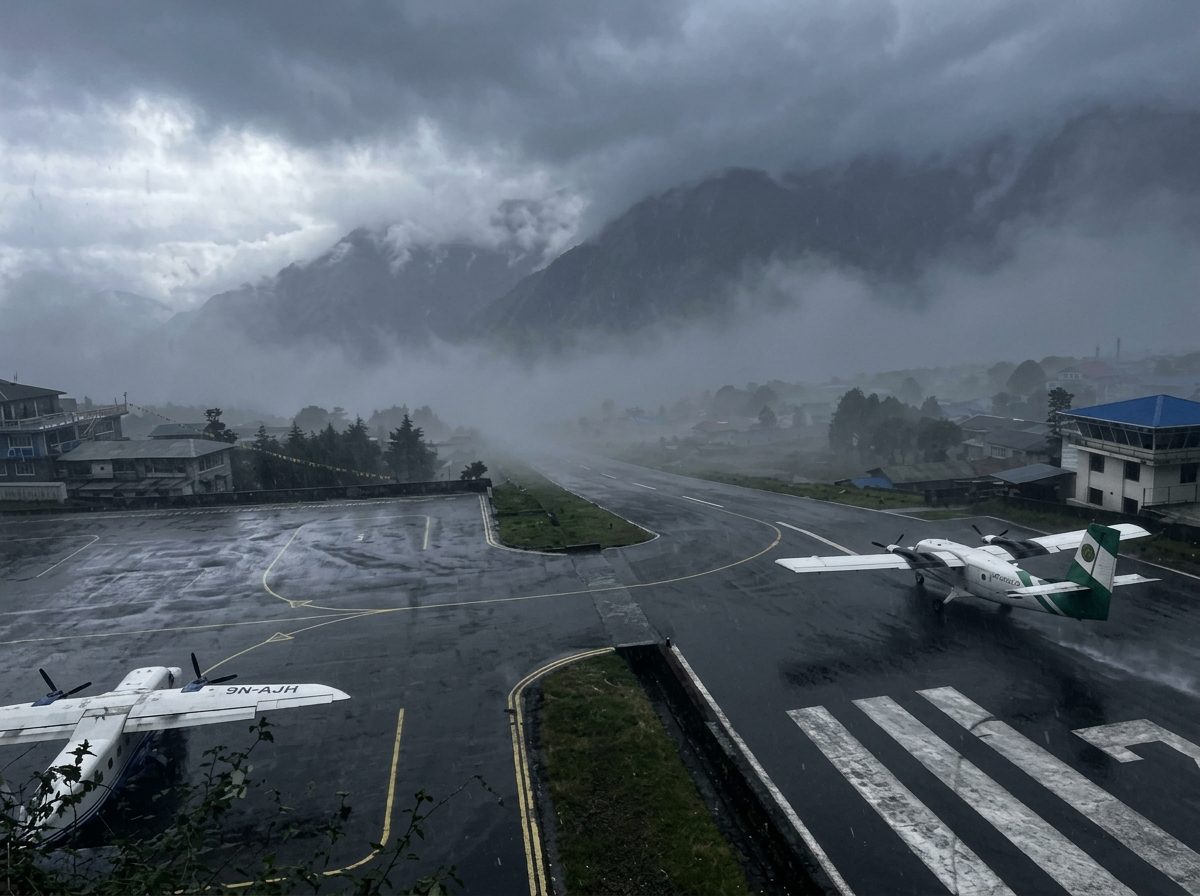
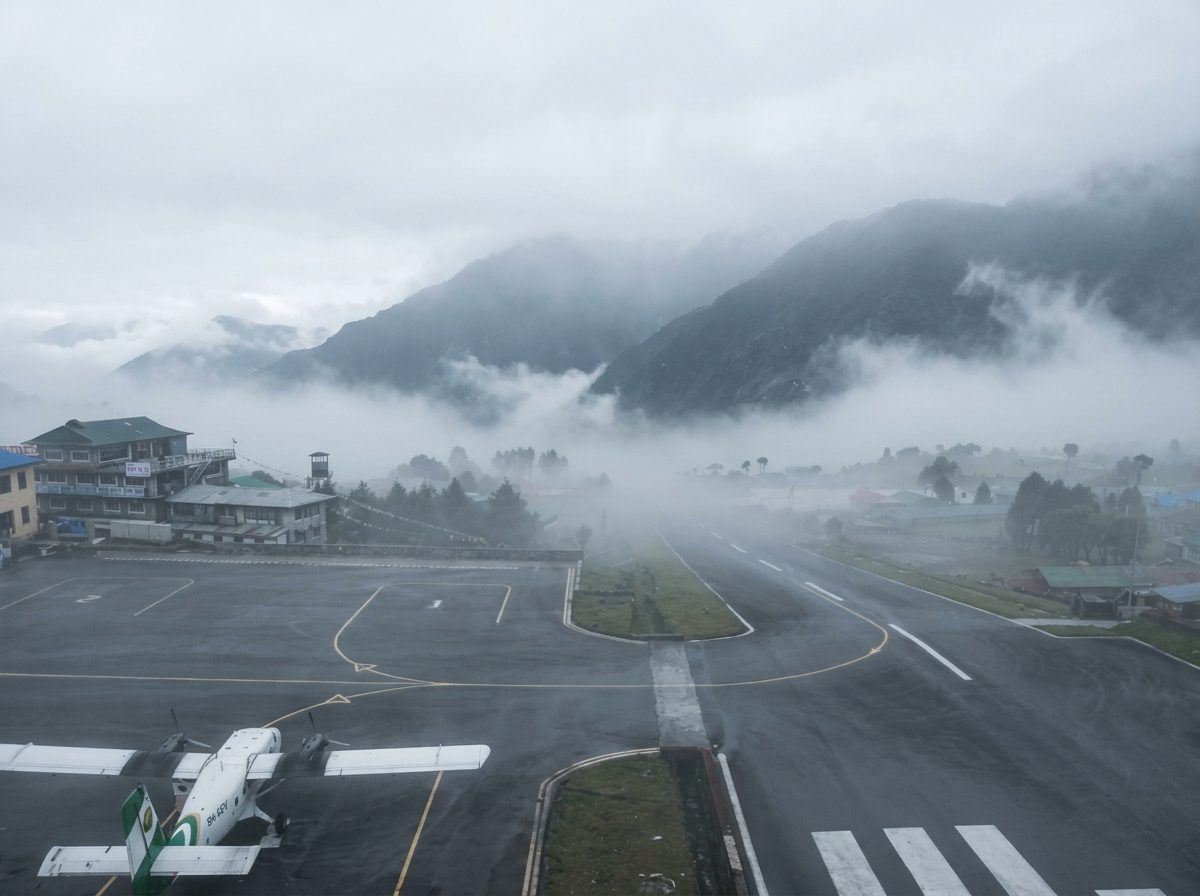
- No Expensive Mountain Flights: EBC requires a mandatory round-trip flight to Lukla costing $434 USD. ABC requires only a tourist bus or short drive from Pokhara costing $30 to $40 USD.
- Shorter Overland Supply Lines: Food, fuel, and building supplies in the Annapurna foothills are transported by jeep to Siwai and carried on mules for only two to three days. In the Everest region, supplies are flown into Lukla or trucked to Salleri, requiring days of grueling porter haulage that inflates menu prices.
- Fewer Trail Days: A standard ABC trek takes 9 to 11 days, compared to 13 to 15 days on the Everest Circuit. Fewer days means fewer nights of lodging, fewer meals, and fewer days of guide and porter wages.
How Much Cash to Withdraw in Pokhara
There are zero functioning ATMs along the Annapurna Base Camp route once you leave the city of Pokhara.
Teahouses do not accept credit cards, digital apps, or foreign currency. All hot showers, extra snacks, boiled water, Wi-Fi, and tips must be settled in physical Nepali Rupees (NPR).
| Trekker Profile | Recommended Cash to Carry from Pokhara | What It Covers |
| Booked on an All-Inclusive Agency Package | $150 – $250 USD (~NPR 20,000 – 32,000) | Covers hot showers, battery charging, Wi-Fi, hot springs entry, snacks, and crew tips. |
| Independent / Budget Trekker (Pay-as-you-go) | $400 – $600 USD (~NPR 52,000 – 78,000) | Covers all daily meals, teahouse rooms, permits, transport, water, and guide wages. |
ATM Advice: Withdraw your cash from standard bank ATMs (Nabil Bank, Himalayan Bank, or Standard Chartered) along Lakeside in Pokhara the afternoon before your trek begins. Break your large 1,000-rupee notes into 500 and 100-rupee notes at your hotel, as small teahouses in the canyon often struggle to make change for large bills.
Frequently Asked Questions
What is the average total cost of an Annapurna Base Camp trek in 2027?
The average total cost for a standard 10-day Annapurna Base Camp trek with a licensed local operator is $800 to $1,150 USD per person. This includes mandatory permits, Pokhara-to-trailhead transport, a licensed guide, porter, all teahouse lodging, and three daily meals. Independent hikers spend around $600 to $800, while helicopter return packages cost $1,600 to $2,200.
Is the Annapurna Base Camp trek cheaper than Everest Base Camp?
Yes, the Annapurna Base Camp trek is roughly 40% cheaper than Everest Base Camp. ABC eliminates the $434 round-trip Lukla mountain flight, has lower food and teahouse costs due to shorter supply lines from Pokhara, and requires fewer days on the trail (10 days versus 14 days for EBC).
Can I pay with credit cards at teahouses on the ABC trek?
No, teahouses along the Annapurna Base Camp trail do not accept credit cards. All payments for rooms, food, hot showers, device charging, and Wi-Fi must be made in physical Nepali Rupees (NPR). There are no ATMs on the trail after leaving Pokhara, so all cash must be withdrawn beforehand.
What is the teahouse “dinner rule” penalty on the ABC trail?
The “dinner rule” is a mandatory policy enforced by local lodge associations where cheap room rates (5–10) are subsidized by food orders. If a trekker sleeps at a teahouse but eats dinner at another lodge, the owner will charge a penalty room fee of $20 to $30 USD instead of the subsidized rate.
How much does a helicopter ride from Annapurna Base Camp to Pokhara cost?
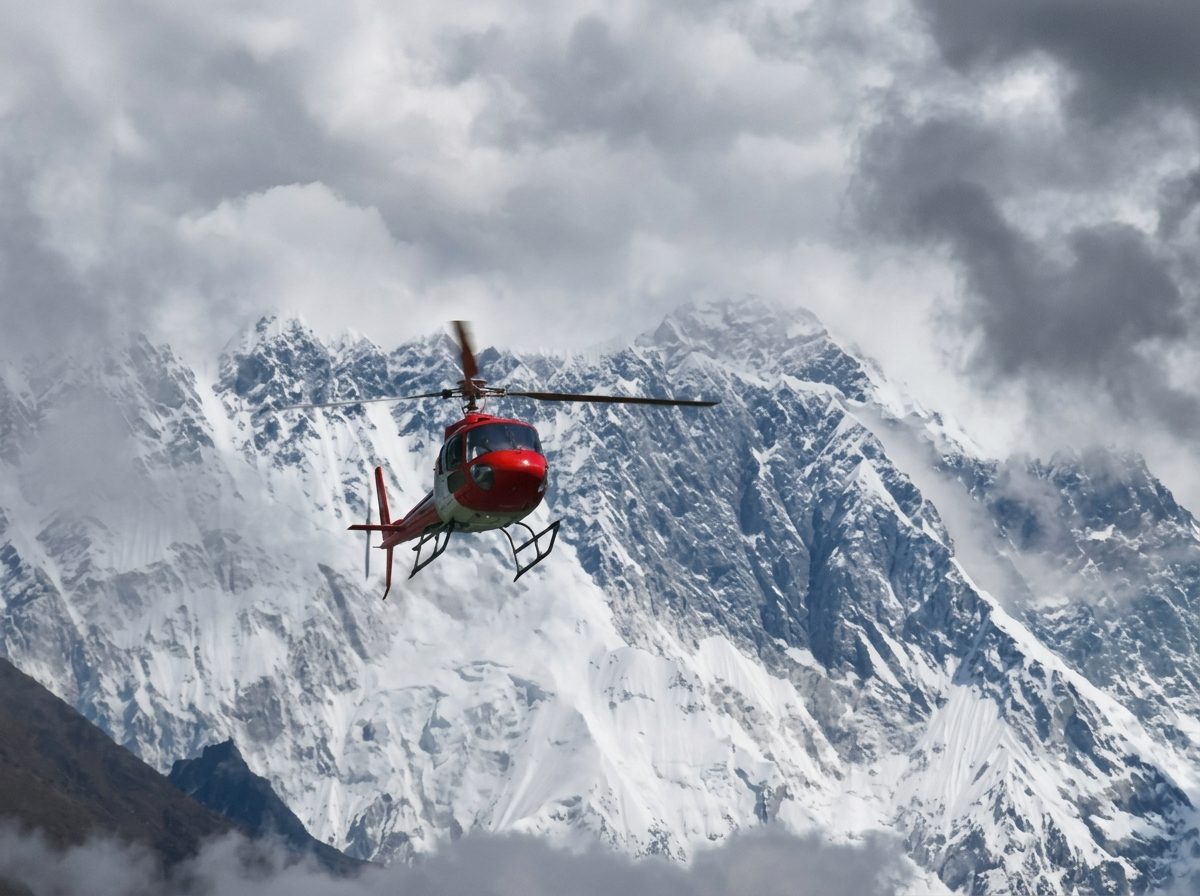
A private chartered helicopter flight from Annapurna Base Camp (4,130m) directly back to Pokhara Airport costs between $1,400 and $1,800 USD total for the aircraft. When split between a group of four or five passengers, the cost comes out to roughly $350 to $450 per person.
Can two trekkers share one porter on the ABC trek?
Yes, sharing one porter between two hikers is standard practice and saves significant money. One porter can carry a combined weight of 20 to 22 kilograms (roughly 10–11 kg per person in a shared duffel bag). Splitting a porter’s daily wage ($22/day) reduces your individual portage cost to just $11 per day.
How much does the natural hot springs fee cost at Jhinu Danda?
The natural riverside hot springs at Jhinu Danda cost NPR 150 to 200 (~$1.50 USD) per person for entry, plus a small fee if renting a towel or locker. The hot springs sit on the banks of the Modi Khola river, about a 25-minute walk down stone stairs from the main Jhinu village lodges.
Planning your Annapurna Base Camp trek for 2027 and want transparent pricing with zero hidden fees? When you book with us, our mountain team provides fully supported packages with licensed local guides, fair porter wages, and complete permit logistics. [Contact our team] for an upfront, customized itinerary quote.
Comments (0)
Write a comment- ABC Trek Cost at a Glance: 4 Ways to Travel
- Itemized Cost Breakdown: Every Dollar Explained
- 1. Permits and Government Fees: ~$42 USD
- 2. Transportation: Getting from Kathmandu to the Trailhead
- 3. Guide and Porter Wages: The Mandatory Crew
- 4. Teahouse Accommodation: The Subsidized Room Catch
- 5. Food and Hot Drinks: Why ABC Is Cheaper Than Everest
- 6. Hidden Trail Expenses: The Daily Incidentals
- 7. Tipping Your Guide and Porter
- 8. Travel & Medical Evacuation Insurance
- Why Is ABC Almost Half the Price of EBC?
- How Much Cash to Withdraw in Pokhara
- Frequently Asked Questions
- What is the average total cost of an Annapurna Base Camp trek in 2027?
- Is the Annapurna Base Camp trek cheaper than Everest Base Camp?
- Can I pay with credit cards at teahouses on the ABC trek?
- What is the teahouse “dinner rule” penalty on the ABC trail?
- How much does a helicopter ride from Annapurna Base Camp to Pokhara cost?
- Can two trekkers share one porter on the ABC trek?
- How much does the natural hot springs fee cost at Jhinu Danda?
Read the latest Blogs & Insights
Explore our collection of articles and insights to gain in-depth travel knowledge, expert advice, and stay updated on the latest trends and tips.


No comments yet.