








How Much Does the Annapurna Circuit Trek Cost in 2027?
Find out how much the Annapurna Circuit Trek costs in 2027, including permits, guides, food, accommodation, transportation and complete trekking package prices.
-
 Adventure Master Trek
-
20 November, 2026
-
13 mins read
-
1 Views
-
0 Comments


A standard 14-to-16-day Annapurna Circuit trek booked through a licensed local Nepali operator costs between $1,000 and $1,800 per person in 2027, covering permits, ground transport, licensed guide, porter, all teahouse accommodation, and three daily meals. Budget-conscious independent trekkers managing their own food and logistics can complete the route for roughly $600 to $1,000, while luxury packages with upgraded lodges and Jomsom-to-Pokhara flights run $2,000 to $3,500. The Circuit costs 30% to 50% more than the Annapurna Base Camp trek purely because you spend more days on the trail — more guide wages, more meals, more teahouse nights, and longer supply chains into the high valleys.
There is a conversation that happens in every bakery in Manang. Someone who booked through a Kathmandu agency says they paid $1,200 all-inclusive. The solo trekker at the next table says they’re doing it for $700. And the couple who booked through a London adventure travel company is quietly trying not to mention their $4,500 price tag.
All three are walking the same trail, crossing the same 5,416-meter pass, eating the same dal bhat, and sleeping in the same plywood rooms with the same thin blankets.
The Annapurna Circuit is not a cheap trek by backpacker standards — two weeks of daily guide wages, teahouse rooms, and altitude-priced food adds up — but the spread between what people pay is enormous, and most of it comes down to how many middlemen sit between your money and the mountain.
Here is every dollar, explained.
Annapurna Circuit Cost at a Glance: 4 Ways to Travel
| Trekking Style | Total Cost (USD) | What Is Included | Who It Suits Best |
| Budget / Independent Guided | $600 – $1,000 | Licensed guide only, mandatory permits, local bus/jeep transport. You pay for your own meals, showers, and rooms as you go. | Experienced trekkers comfortable managing daily cash, negotiating rooms, and eating on a strict budget. |
| Standard Full-Service (Local Operator) | $1,000 – $1,800 | All permits, Kathmandu/Pokhara transit, jeep to trailhead, licensed guide, porter, all teahouse rooms, 3 meals daily, hot drinks. | The sweet spot. Zero hassle, strong safety net, fair local wages, no daily cash negotiations. |
| Comfort / Premium Package | $2,000 – $3,500 | Standard package plus upgraded lodges where available, Jomsom-to-Pokhara flight, extra acclimatization days, side trips to Tilicho Lake or Ice Lake. | Trekkers who want maximum comfort and scheduling flexibility on a long route. |
| Western International Agency | $3,000 – $5,500+ | The same teahouses and trail, but booked through a US, UK, or European brand with corporate overhead and Western trip leaders. | Travelers who prefer booking through a domestic agency at home and don’t mind a 100%+ markup. |
Itemized Cost Breakdown: Every Rupee Accounted For
1. Permits and Government Fees: ~$40 USD
The Annapurna Circuit requires the same two permits as every other trek in the Annapurna Conservation Area. No special restricted-area permits are needed for the standard circuit route.
| Permit Type | Cost (NPR) | Cost (USD Approx.) | Where to Get It |
| Annapurna Conservation Area Permit (ACAP) | NPR 3,000 (+13% VAT) | ~$25 | Nepal Tourism Board office in Kathmandu or Pokhara |
| TIMS Card (Trekkers’ Information Management System) | NPR 2,000 | ~$15 | Through your registered trekking agency |
| Total Mandatory Permits | ~NPR 5,390 | ~$40 | Checked at police posts in Besisahar, Chame, Manang, and Muktinath |
Optional add-on: If you detour into the Nar Phu Valley (a restricted side valley off the main circuit), you need an additional restricted-area permit costing roughly $100 per person for the first 7 days, plus a mandatory minimum group size of two trekkers.
2. Transportation: Getting In and Getting Out
The Annapurna Circuit has two transport legs that most trekkers don’t budget carefully for: getting from Kathmandu or Pokhara to the trailhead, and getting from Jomsom or Muktinath back to Pokhara after crossing the pass.
| Route Segment | Transport Option | Cost (USD) | Travel Time | Notes |
| Kathmandu → Pokhara | Tourist bus (round trip) | $25 – $40 | 7–9 hours each way | Comfortable AC coaches along the Prithvi Highway. |
| Kathmandu → Pokhara | Domestic flight (round trip) | $200 – $260 | 25 minutes each way | Saves two full driving days. |
| Pokhara → Besisahar | Local bus | $5 – $8 | 4–5 hours | Crowded, noisy, extremely cheap. |
| Besisahar → Chame/Dharapani | Shared jeep | $20 – $25 | 4–6 hours | Skips the dustiest road-walking sections. Most trekkers start walking from Chame. |
| Besisahar → Chame | Private jeep (per vehicle) | $115 – $150 | 4–5 hours | Seats 4–5 passengers. |
| Jomsom → Pokhara | Shared jeep/bus | $20 – $27 | 7–9 hours | Long, bumpy ride down the Kali Gandaki. Cheap but exhausting. |
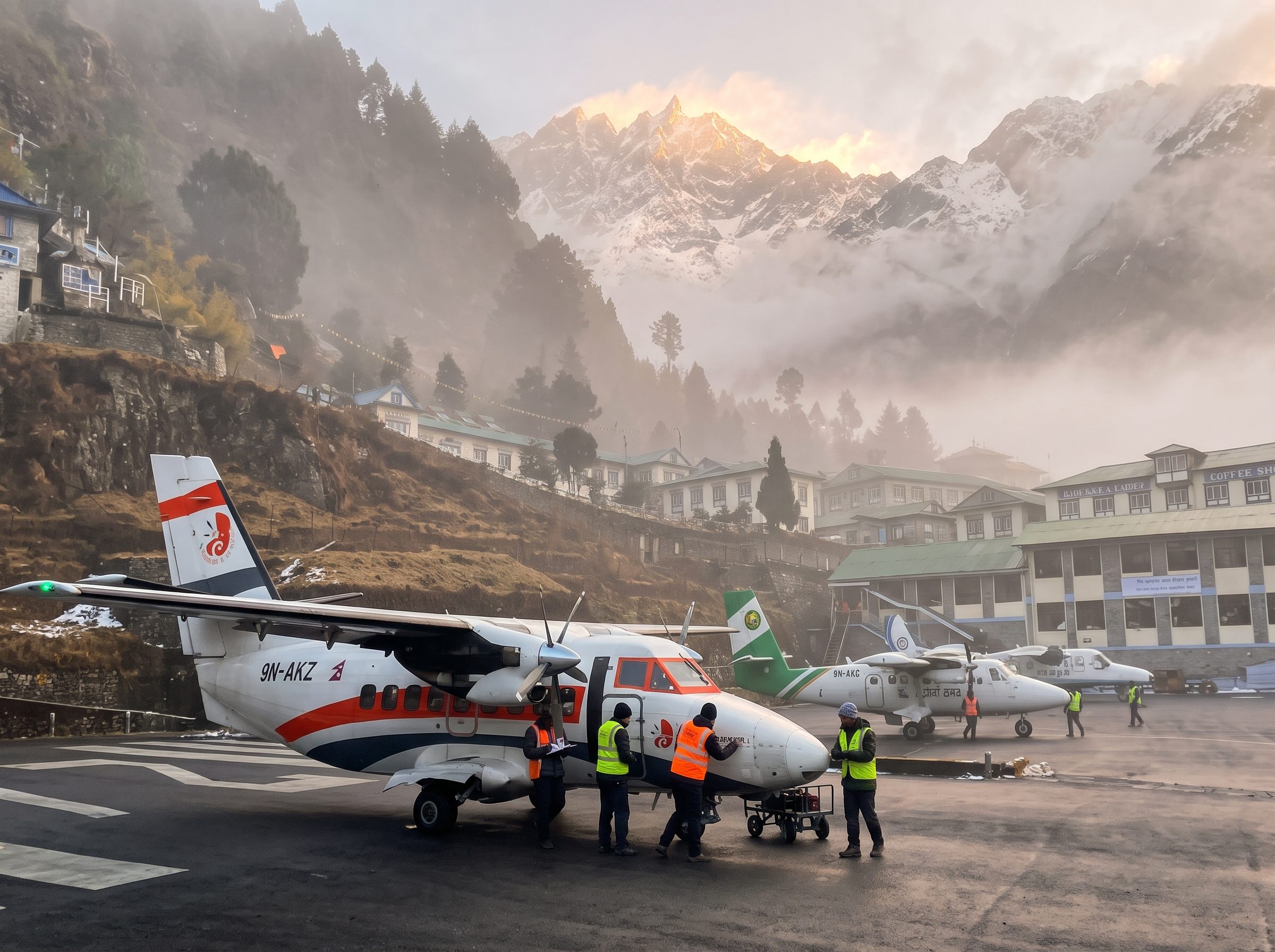
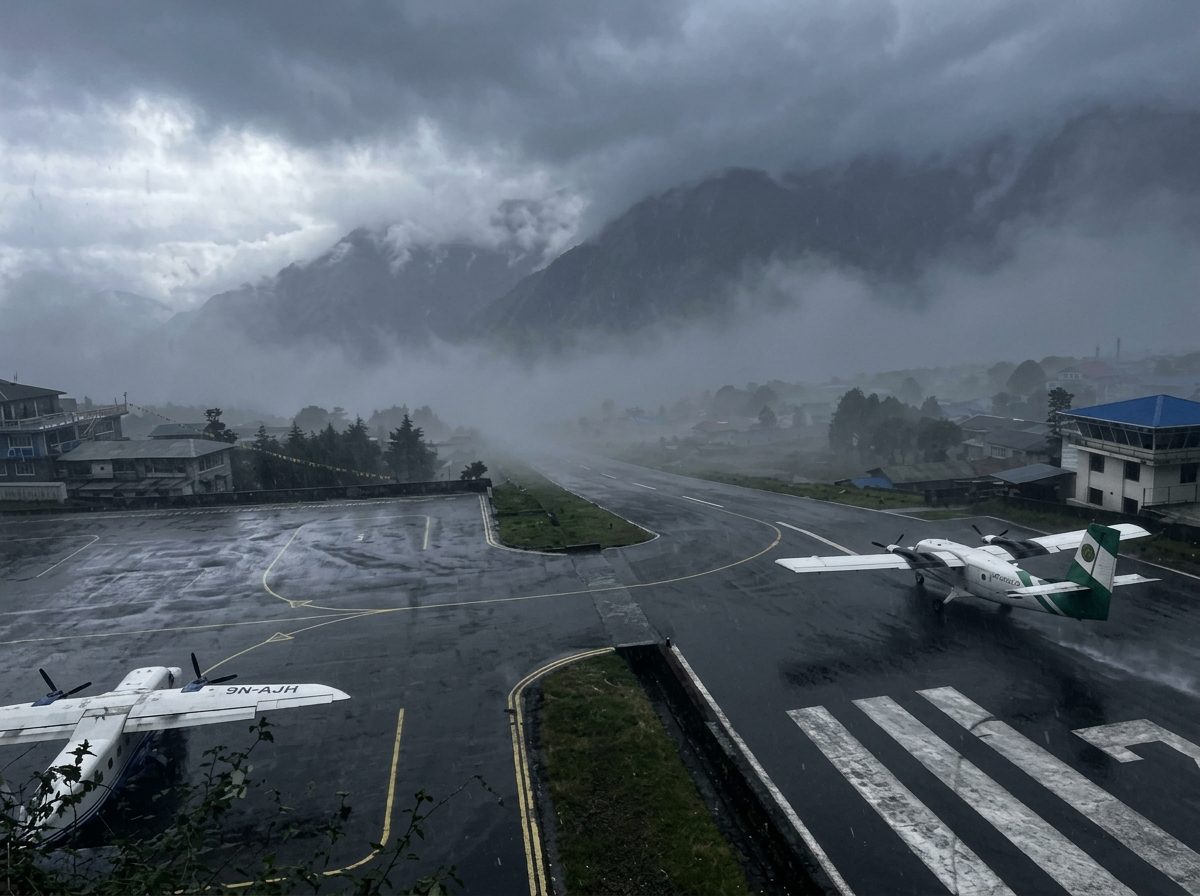
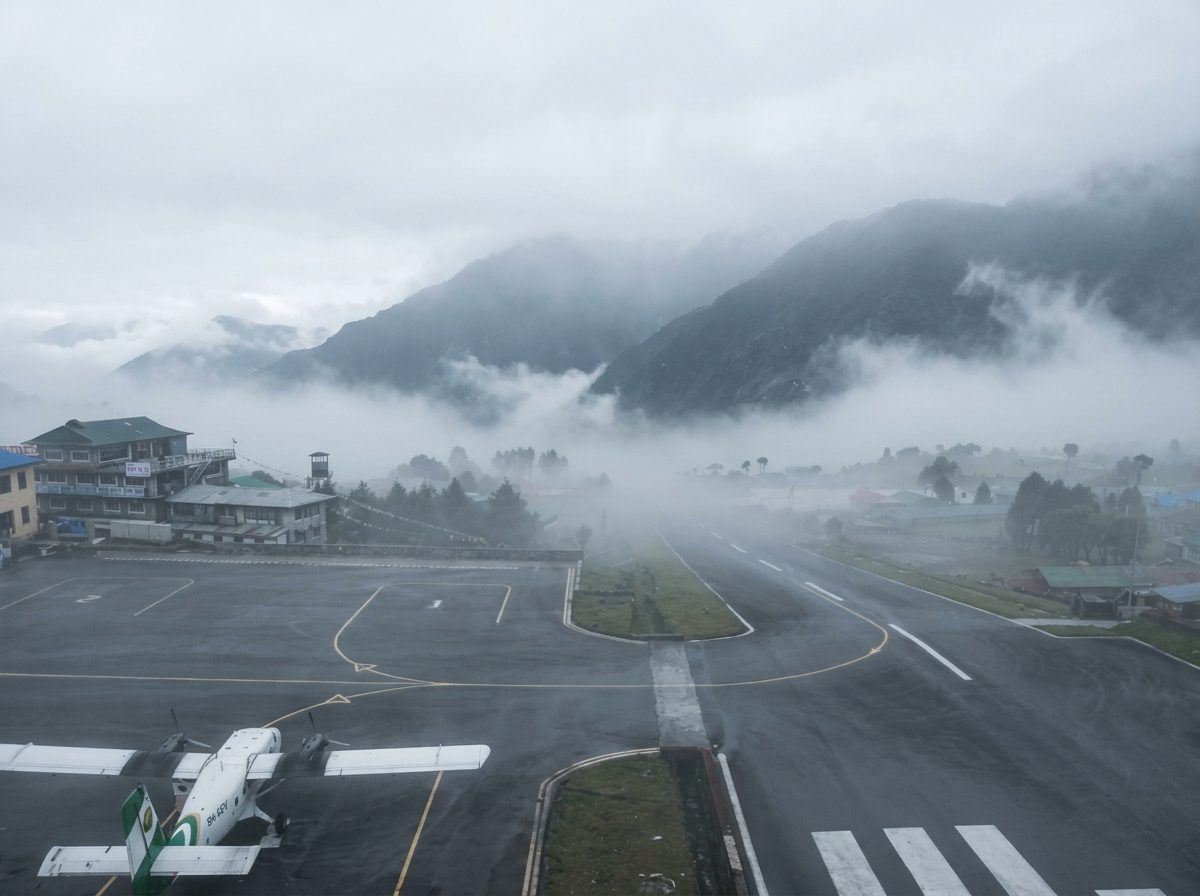
| Jomsom → Pokhara | Domestic flight | $160 – $180 | 20 minutes | Spectacular scenic flight. Frequently delayed or cancelled by wind. |
| Muktinath → Pokhara | Shared jeep | $25 – $35 | 8–10 hours | Rough road, often requires changing vehicles at Beni. |
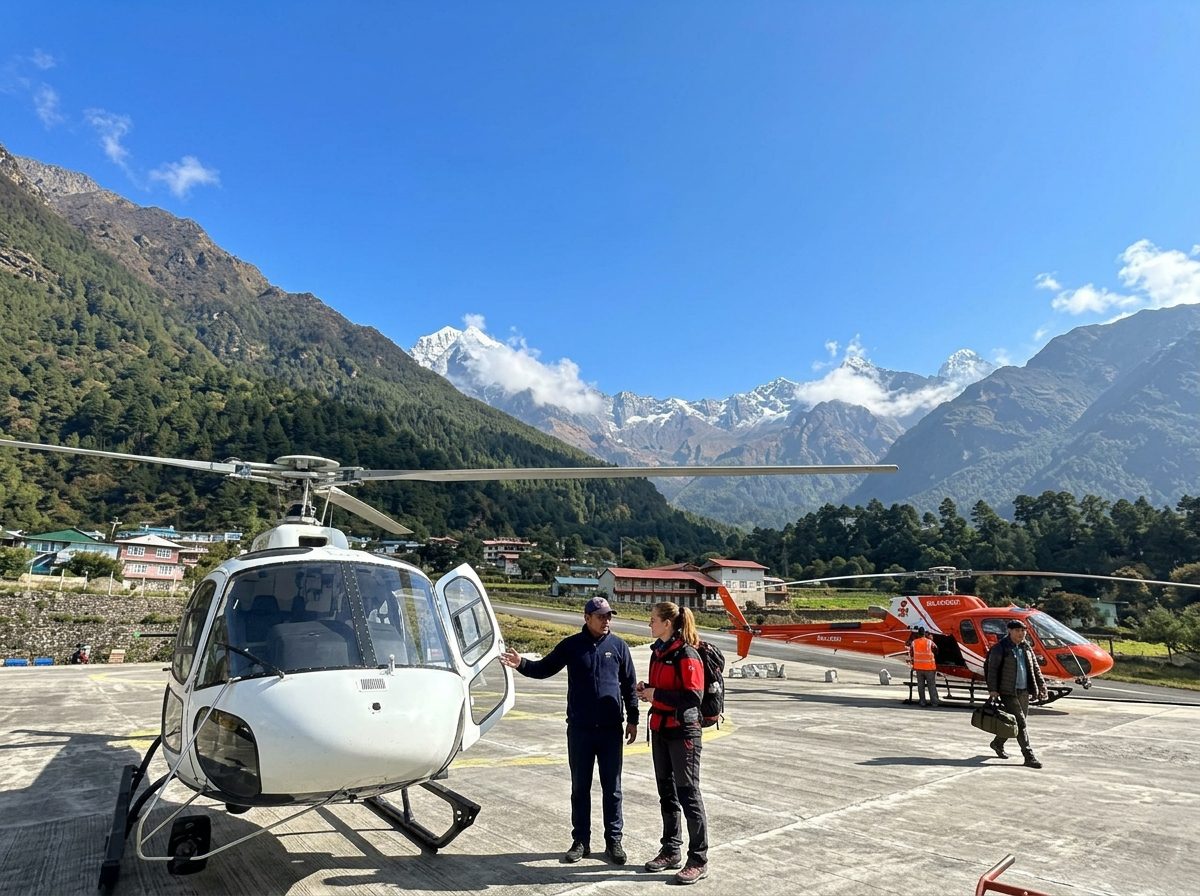
| Muktinath → Pokhara | Helicopter charter | $400 – $600/person shared | 45 minutes | Skips the entire Kali Gandaki road. |
Most standard agency packages include the tourist bus from Kathmandu to Pokhara, a shared jeep from Besisahar to Chame, and a shared jeep from Jomsom back to Pokhara. If you want to fly either leg, add roughly $130 to $180 per flight to your budget.
3. Guide and Porter Wages: Your Mandatory Crew
Since 2023, Nepal’s tourism regulations require a licensed trekking guide for all treks in the Annapurna Conservation Area. The Circuit is not a route you should consider doing without an experienced guide anyway — the high-pass crossing, altitude management, and lodge reservation logistics on a 14-day route are genuinely complex.
| Crew Member | Daily Rate (USD) | Total for 14 Days | What Their Rate Covers |
| Licensed Trekking Guide | $30 – $35/day | $420 – $490 | Trail navigation, altitude monitoring, lodge reservations along the entire circuit, emergency coordination, their food, lodging, and insurance. |
| Porter (carries up to 20–22 kg) | $20 – $25/day | $280 – $350 | Carries your main duffel between villages, their own food, lodging, and mandatory porter insurance. |
| Guide-Porter (lighter load, basic English) | $25 – $28/day | $350 – $392 | Budget option: carries ~12 kg while guiding. Best for solo travelers. |
Fair Wage Warning: If a street broker in Thamel offers you a porter for $12 a day, that porter is almost certainly uninsured, underpaid, and potentially unlicensed. On a trek that crosses a 5,416-meter pass in sub-zero conditions, your crew’s safety equipment and insurance are not places to cut corners.
4. Teahouse Accommodation: The Altitude Price Curve
The Annapurna Circuit passes through roughly 25 to 30 villages with teahouse lodges. Room prices follow a predictable altitude curve — cheap in the lower valleys, expensive at high camp.
| Altitude Zone | Room Cost (Twin Share / Night) | Room Quality | The “Dinner Rule” |
| Lower Valleys (Besisahar–Chame, 800–2,700m) | $3 – $6 (NPR 400–800) | Stone lodges with private rooms, some attached bathrooms, solar hot water | Must eat dinner and breakfast at the lodge |
| Mid-Circuit (Pisang–Manang, 3,200–3,540m) | $5 – $10 (NPR 700–1,300) | Wooden rooms, shared toilets, some lodges have bakeries and coffee shops | Standard dinner rule applies |
| High Zone (Yak Kharka–High Camp, 4,050–4,850m) | $8 – $15 (NPR 1,100–2,000) | Basic plywood rooms, unheated, shared squat toilets, limited beds | Rooms fill fast in October. No choice but to eat at the lodge. |
| Post-Pass (Muktinath–Jomsom, 2,700–3,800m) | $5 – $10 (NPR 700–1,300) | Comfortable stone lodges, some with attached bathrooms and hot showers | Competition returns; dinner rule relaxed in Jomsom |
Total teahouse accommodation for 14 days: Roughly $80 to $140 USD per person based on double occupancy.
5. Food and Hot Drinks: The Price Gradient by Altitude
Food on the Annapurna Circuit follows the same economic law as every mountain trail in Nepal: the higher you go, the more expensive everything gets, because every kilogram of rice, lentils, and cooking gas must be carried uphill by humans or mules.
| Menu Item | Price in Chame (2,710m) | Price in Manang (3,540m) | Price at Thorong Phedi (4,450m) |
| Dal Bhat (rice, lentils, curry — free refills) | $4.50 (NPR 600) | $7.00 (NPR 900) | $10.00 (NPR 1,300) |
| Veg Fried Rice or Chowmein | $3.50 (NPR 450) | $5.50 (NPR 700) | $8.50 (NPR 1,100) |
| Porridge / Oatmeal | $3.00 (NPR 400) | $4.50 (NPR 600) | $7.00 (NPR 900) |
| Garlic Soup | $2.50 (NPR 300) | $3.50 (NPR 450) | $5.50 (NPR 700) |
| Pot of Ginger Lemon Honey Tea | $3.00 (NPR 400) | $5.00 (NPR 650) | $7.50 (NPR 1,000) |
| Snickers / Mars Bar | $1.20 (NPR 150) | $2.00 (NPR 250) | $3.50 (NPR 450) |
| Apple Pie (Manang/Marpha specialty) | — | $4.00 (NPR 500) | — |
- Daily Food & Drink Budget: Plan for $25 to $45 USD per day, depending on altitude zone and appetite.
- Total Food for 14 Days: $350 to $550 USD per person.
Guide Tip on Nutrition: Order dal bhat. Always. It is the only dish on every teahouse menu that includes free, unlimited second helpings of rice, lentil soup, and vegetable curry. After walking seven hours in thin air, you need calories, not variety. And the dal bhat in Marpha — which is famous for its apple orchards and bakeries — is some of the best on the entire trail, for reasons that probably involve the altitude and the apple chutney they serve alongside it.
6. Hidden Trail Expenses: The Daily Incidentals
These are the costs that surprise independent trekkers — small daily charges that multiply across 14 days into a meaningful budget item.
| Incidental Service | Cost on Trail | Frequency over 14 Days | Total Estimated Cost |
| Hot Shower (solar/gas bucket) | $2.50 – $5.00 | ~4 to 5 showers | $12 – $25 |
| Phone / Camera Charging | $1.50 – $4.00 per charge | ~6 charges | $10 – $24 |
| Power Bank Charging (20,000 mAh) | $3.00 – $6.00 per charge | ~3 charges | $9 – $18 |
| Teahouse Wi-Fi | $3.00 – $5.00 per day | ~7 days (signal dies past Manang) | $20 – $35 |
| Safe Drinking Water Station Refills | $0.50 – $1.50 per liter | 3–4 liters daily | $25 – $60 |
| Muktinath Temple Entry (Optional) | Free (donations appreciated) | 1 visit after crossing the pass | $0 – $5 donation |
| Total Hidden Incidentals | ~$75 – $170 USD |
Money-Saving Tip: Carry chlorine dioxide water purification tablets (buy a strip in Pokhara for $3 to $5). Refill your water bottles from teahouse taps, drop in a tablet, wait 30 minutes, and avoid paying $1 to $3 per liter for bottled or boiled water across 14 days. That saves you $30 to $50 and eliminates dozens of single-use plastic bottles from the mountain.
7. Tipping Your Guide and Porter
Tipping is customary and deeply important in Nepal’s trekking economy. Tips are typically presented in cash at the final group dinner — usually in Jomsom, Muktinath, or back in Pokhara.
The standard benchmark is 10% to 15% of your total trek cost.
| Crew Member | Suggested Daily Tip (From Group) | 14-Day Suggested Total |
| Trekking Guide | $10 – $15/day from group | $140 – $210 USD |
| Porter | $7 – $10/day from group | $100 – $140 USD |
If two or three trekkers share one guide and one porter, you pool the tips together. A solo trekker with a private guide-porter should budget roughly $180 to $250 USD in total tips.
8. Travel Insurance: Non-Negotiable
The Annapurna Circuit crosses a 5,416-meter pass. At that altitude, helicopter evacuation is your only rapid exit if you develop severe acute mountain sickness (AMS), high-altitude pulmonary edema (HAPE), or suffer a serious knee or ankle injury on the scree descent to Muktinath.
An uninsured emergency helicopter rescue from Thorong La or High Camp to Pokhara costs between $2,500 and $4,000 USD out-of-pocket.
- Cost of a 30-Day Policy Covering up to 6,000m: $100 – $200 USD
- Critical Requirement: Your policy must explicitly state helicopter evacuation coverage up to 6,000 meters. Standard travel policies cap coverage at 3,000m — which is useless on the Circuit.
The Weather-Delay Cost Trap Nobody Mentions
Here is the hidden budget line that no Circuit cost guide ever warns you about.
If weather closes Thorong La Pass — which happens regularly in late October and November when tail-end cyclone weather pushes moisture over the range — you will be stuck at Thorong Phedi or High Camp waiting for conditions to clear.
Each extra day of weather delay at high camp costs roughly $80 to $120 USD per person in accommodation, food, and crew wages. Some trekkers have waited two or three days. That’s $240 to $360 of unplanned spending.
Similarly, if you plan to fly from Jomsom to Pokhara and the wind grounds flights (a common occurrence — the Kali Gandaki valley generates notoriously fierce afternoon winds), you may burn one or two extra nights in Jomsom waiting for a clear morning slot. Budget for at least two contingency days in your Circuit plan and carry $200 to $300 extra in cash beyond your base budget.
Why Does the Circuit Cost More Than ABC?
Trekkers planning their first Annapurna trip often ask why the Circuit is $200 to $600 more expensive than the Annapurna Base Camp trek. The reasons are purely mathematical:
| Cost Driver | ABC (10 Days) | Circuit (14–16 Days) | Difference |
| Guide wages | $300 – $350 | $420 – $525 | +$120 – $175 |
| Porter wages | $200 – $250 | $280 – $375 | +$80 – $125 |
| Food & drinks | $250 – $350 | $350 – $550 | +$100 – $200 |
| Teahouse rooms | $60 – $90 | $80 – $140 | +$20 – $50 |
| Incidentals | $60 – $95 | $75 – $170 | +$15 – $75 |
| Exit transport | $30 – $50 (jeep to Pokhara) | $20 – $180 (jeep or flight from Jomsom) | Variable |
The Circuit is longer. More days means more of everything. And the food at extreme altitude — Thorong Phedi, High Camp — is pricier than anything on the ABC route because the supply lines into the upper Marsyangdi valley are longer and more difficult than the relatively short porter carry into the Modi Khola canyon.
How Much Cash to Carry on the Annapurna Circuit
There are zero functioning ATMs between Besisahar and Jomsom. Some lodges in Manang and Jomsom occasionally offer informal cash-advance services at a 5% to 8% commission, but these are unreliable and expensive.
All teahouse payments, hot showers, Wi-Fi, water, charging, and tips must be settled in physical Nepali Rupees (NPR).
| Trekker Profile | Recommended Cash from Pokhara | What It Covers |
| All-Inclusive Agency Package | $200 – $350 USD (~NPR 26,000 – 45,000) | Hot showers, battery charging, Wi-Fi, snacks, beer, crew tips, and weather-delay contingency buffer. |
| Independent / Pay-as-You-Go | $600 – $900 USD (~NPR 78,000 – 117,000) | All daily meals, teahouse rooms, water, guide wages, porter wages, emergency buffer. |
ATM Strategy: Withdraw your full trek cash from standard bank ATMs (Nabil Bank, NIC Asia, Himalayan Bank) in Pokhara’s Lakeside district the day before departure. Break large 1,000-rupee notes into 500s and 100s at your hotel front desk — small teahouses in the Marsyangdi valley regularly struggle to make change for large bills.
Frequently Asked Questions
What is the total cost of the Annapurna Circuit trek in 2027?
A standard 14-to-16-day Annapurna Circuit trek with a licensed local operator costs between $1,000 and $1,800 USD per person in 2027. This includes mandatory ACAP and TIMS permits, ground transport, a licensed guide, porter, all teahouse accommodation, and three meals daily. Independent budget trekkers spend roughly $600 to $1,000, while premium packages with Jomsom flights run $2,000 to $3,500.
Is the Annapurna Circuit more expensive than the Annapurna Base Camp trek?
Yes, the Annapurna Circuit costs approximately 30% to 50% more than the Annapurna Base Camp trek. A standard ABC trek costs $800 to $1,150 for 10 days, while the Circuit costs $1,000 to $1,800 for 14 to 16 days. The price difference comes entirely from additional days of guide wages, porter fees, meals, and teahouse accommodation on the longer route.
How much does food cost per day on the Annapurna Circuit?
Daily food costs on the Annapurna Circuit range from $25 to $45 USD per person depending on altitude. In lower villages like Chame and Pisang, a dal bhat meal costs roughly $4.50. At Thorong Phedi and High Camp (4,450m+), the same meal costs $10 or more because every ingredient must be carried uphill by porters or mules. Budget approximately $350 to $550 total for food across 14 days.
How much does the Jomsom to Pokhara flight cost?
A one-way domestic flight from Jomsom to Pokhara costs between $160 and $180 USD for foreign nationals in 2027. The flight takes approximately 20 minutes and offers spectacular views of the Kali Gandaki gorge and Dhaulagiri. Flights operate early mornings only and are frequently delayed or cancelled by high winds in the Kali Gandaki valley. Always have a jeep backup plan.
Can I pay with credit cards on the Annapurna Circuit?
No, teahouses along the Annapurna Circuit do not accept credit cards, debit cards, or digital payment apps. All payments for rooms, meals, showers, device charging, Wi-Fi, and water must be made in physical Nepali Rupees (NPR). There are no reliable ATMs between Besisahar and Jomsom. Withdraw all required cash in Pokhara before departure.
What happens if I get stuck at Thorong La due to weather?
If heavy snowfall or storms prevent crossing Thorong La Pass, trekkers wait at Thorong Phedi or High Camp until conditions improve, typically one to two days. Each extra weather-delay day costs roughly $80 to $120 in accommodation, food, and crew wages. If the pass remains closed for an extended period, you may need to retrace your route back through Manang. Budget at least two contingency days and $200 to $300 extra cash.
Do I need a guide for the Annapurna Circuit?
Yes, a licensed trekking guide is legally required for the Annapurna Conservation Area under Nepal’s 2023 tourism regulations. Beyond the legal requirement, a guide is practically essential on the Circuit for high-pass altitude management, lodge reservation logistics across a 14-day route, and emergency coordination at Thorong La. A licensed guide costs approximately $30 to $35 per day.
Planning your Annapurna Circuit trek for 2027 and want transparent pricing with zero hidden fees? When you book with us, our mountain team provides fully supported packages with experienced high-pass guides, fair crew wages, complete permit logistics, and built-in weather contingency days. [Contact our team] for an upfront, customized itinerary quote.
Comments (0)
Write a comment- Annapurna Circuit Cost at a Glance: 4 Ways to Travel
- Itemized Cost Breakdown: Every Rupee Accounted For
- 1. Permits and Government Fees: ~$40 USD
- 2. Transportation: Getting In and Getting Out
- 3. Guide and Porter Wages: Your Mandatory Crew
- 4. Teahouse Accommodation: The Altitude Price Curve
- 5. Food and Hot Drinks: The Price Gradient by Altitude
- 6. Hidden Trail Expenses: The Daily Incidentals
- 7. Tipping Your Guide and Porter
- 8. Travel Insurance: Non-Negotiable
- The Weather-Delay Cost Trap Nobody Mentions
- Why Does the Circuit Cost More Than ABC?
- How Much Cash to Carry on the Annapurna Circuit
- Frequently Asked Questions
- What is the total cost of the Annapurna Circuit trek in 2027?
- Is the Annapurna Circuit more expensive than the Annapurna Base Camp trek?
- How much does food cost per day on the Annapurna Circuit?
- How much does the Jomsom to Pokhara flight cost?
- Can I pay with credit cards on the Annapurna Circuit?
- What happens if I get stuck at Thorong La due to weather?
- Do I need a guide for the Annapurna Circuit?
Read the latest Blogs & Insights
Explore our collection of articles and insights to gain in-depth travel knowledge, expert advice, and stay updated on the latest trends and tips.


No comments yet.