









Annapurna Base Camp Trek in 7 Days: Is the Fast Version Worth It?
Most people who look into Annapurna Base Camp end up staring at two very different numbers: the standard 10-to-12-day itinerary, and a tighter 7-day version that shows up on a lot of trekking agency websites with phrases like “fast track” or “ABC express” attached to it. If you’re short on vacation days, or you’ve already […]
-
 Adventure Master Trek
-
26 June, 2026
-
8 mins read
-
674 Views
-
0 Comments


Most people who look into Annapurna Base Camp end up staring at two very different numbers: the standard 10-to-12-day itinerary, and a tighter 7-day version that shows up on a lot of trekking agency websites with phrases like “fast track” or “ABC express” attached to it. If you’re short on vacation days, or you’ve already got decent trekking fitness and don’t need a slow build-up, the 7-day version is worth taking seriously. It’s not for everyone, and I’ll get into why, but it’s a legitimate way to see one of Nepal’s best-loved treks without burning through two full weeks.
What Changes When You Compress ABC Into a Week
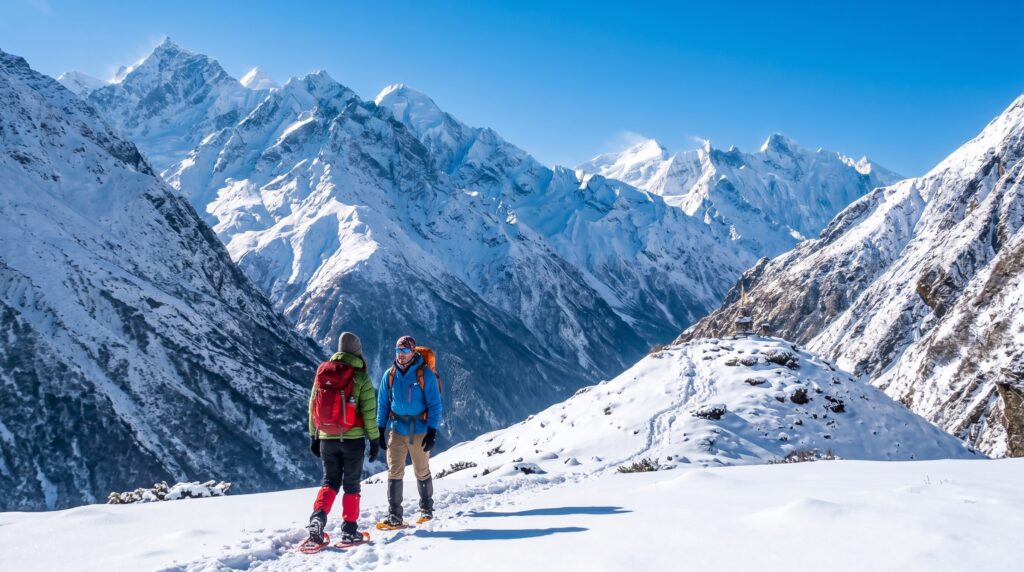
The standard ABC itinerary spreads things out, partly for comfort and partly for acclimatization. The 7-day version doesn’t cut corners on the route itself — you still walk through the same villages, cross the same suspension bridges, and end up standing in the same amphitheater of peaks at the end. What changes is the pace. Days get longer, rest days mostly disappear, and you need to be honest with yourself about your fitness level before signing up.
This isn’t a trek for someone who’s never walked more than a few hours at a stretch. It works well for people who hike regularly, who’ve done at least one other multi-day trek before, or who simply want to move quickly and don’t mind some long, tiring days in exchange for getting back to “normal life” sooner.
Day 1: Drive from Pokhara to Nayapul, Trek to Jhinu Danda or Bamboo
The trek starts with a drive out of Pokhara to Nayapul, the usual starting point for the Annapurna Sanctuary route. From there, the trail follows the Modi Khola river, weaving past terraced rice fields and through small villages like Birethanti and Syauli Bazaar before climbing into denser forest.
On the standard itinerary, day one usually ends at Jhinu Danda, known for its natural hot springs right by the river — a genuinely nice place to soak tired legs after a day of walking. On the compressed version, some groups push further to Bamboo instead, trading the hot springs for an extra hour or two of walking that sets up an easier following day. Either way, expect six to seven hours on the trail.
Day 2: On to Himalaya or Deurali
This is where the compressed schedule starts to show its character. Rather than breaking the climb up gently, day two pushes through Bamboo, Dovan, and on to either Himalaya or Deurali, depending on your pace and how far you got the day before. The forest here is thick with bamboo and rhododendron, and the trail steepens noticeably compared to the gentler walking of day one.
It’s a long day — often seven to eight hours — and altitude starts to become a real factor as you cross 3,000 meters. This is also where the lack of a built-in rest day on the fast itinerary starts to matter. Pay attention to how your body feels. A headache that won’t go away or unusual fatigue isn’t something to push through; it’s something to mention to your guide.
Day 3: Deurali to Annapurna Base Camp (via Machhapuchhre Base Camp)
This is the big one. From Deurali, the trail climbs out of the last of the forest and into open, rocky terrain, with Hiunchuli and Annapurna South looming closer with every hour. You’ll pass through Machhapuchhre Base Camp, a small cluster of teahouses sitting directly beneath the Fishtail peak, before making the final push up to Annapurna Base Camp itself, at roughly 4,130 meters.
Reaching ABC after three days of steady climbing is genuinely emotional for a lot of people — the amphitheater of peaks surrounding the base camp, with Annapurna I rising directly ahead, doesn’t really photograph the way it feels to stand there in person. Most groups arrive in the early afternoon, leaving enough daylight to explore around base camp and, weather permitting, catch the alpenglow on the surrounding peaks before sunset.
This day is long and the altitude gain is significant, so guides on the fast itinerary keep a close eye on pace here. If anyone in the group is struggling, plans can shift on the fly — better to lose half a day than push someone into serious altitude sickness this close to the high point of the trek.
Day 4: Sunrise at ABC, Descend to Bamboo
Most people get up before dawn on this day specifically to watch the sun hit Annapurna I and the surrounding peaks from base camp — it’s one of those moments that’s hard to describe well but impossible to forget. After breakfast, the trek turns around and heads back down, retracing the route through Machhapuchhre Base Camp and Deurali, continuing all the way down to Bamboo.
Descending always feels faster than climbing, but don’t underestimate this day. It’s long, your legs are tired from three days of climbing, and the trail can be slick in places, especially if there’s been any rain or snow higher up. Trekking poles earn their keep on a day like this.
Day 5: Bamboo to Jhinu Danda
This day is noticeably shorter and gentler than the rest of the trek, which is a welcome change of pace by this point. The trail follows the Modi Khola back down through familiar villages, and most groups reach Jhinu Danda with enough afternoon left to actually use the hot springs this time, rather than rushing past them on the way up.
If your legs have anything left in them, the hot springs here are worth every minute. Sitting in warm water with the river running past, after four days of climbing and descending, is the kind of small luxury that makes the whole trip feel complete.
Day 6: Jhinu Danda to Nayapul, Drive to Pokhara
The final trekking day is short and easy by comparison, dropping back down through Syauli Bazaar and Birethanti to Nayapul, where a vehicle picks you up for the drive back to Pokhara. Most people are back in Pokhara by early afternoon, with the rest of the day free for a hot shower, a real bed, and a meal that doesn’t come from a teahouse kitchen.
Day 7: Buffer Day
The seventh day on most fast-track itineraries is built in as a buffer rather than an active trekking day. Lukla-style flight delays aren’t a factor here since you’re driving rather than flying, but weather, trail conditions, or simple fatigue can occasionally push the schedule back by half a day, and this buffer absorbs that without throwing off your flights home. If everything goes smoothly, you’ll likely find yourself back in Pokhara a day early with time to relax, explore Phewa Lake, or just recover before heading onward.
Is the 7-Day Version Actually a Good Idea?
Here’s the honest answer: it depends entirely on your fitness and your tolerance for long days. The standard 10-to-12-day ABC itinerary exists for good reason — it spreads the altitude gain out more gradually, builds in proper rest days, and generally makes for a more comfortable trip. Compressing that into a week means longer trekking days, almost no rest, and less margin for error if altitude symptoms show up.
That said, plenty of people do this trek successfully in seven days, particularly those with decent hiking fitness and prior experience at altitude. The reward for taking on the tougher pace is real — you get the same jaw-dropping amphitheater of peaks at ABC, the same hot springs at Jhinu, the same suspension bridges and rhododendron forest, all while spending roughly a third less time away from home.
If you’re on the fence, it’s worth being honest with your guide or trekking agency about your fitness level before committing. A good guide would rather adjust your daily pace on the trail than watch you struggle on day three with no flexibility left in the schedule.
A Few Practical Notes
Altitude sickness is the main risk on the compressed itinerary, simply because there’s less built-in time to adjust. Drink more water than you think you need, eat enough even when you’re not particularly hungry, and don’t be shy about telling your guide if something feels off. Diamox is something some trekkers carry as a precaution, though it’s worth discussing with a doctor before your trip rather than deciding on the trail.
Pack layers. Temperatures swing hard between the lower forested sections and the exposed, rocky terrain near base camp, and nights at ABC itself can dip well below freezing even outside of winter.
Trekking poles aren’t optional on this itinerary if you ask me. With long descending days on tired legs, they take real pressure off your knees and reduce the chance of a slip on loose or wet trail sections.
Final Thoughts
The 7-day Annapurna Base Camp trek isn’t the relaxed, scenic stroll that the longer itinerary can sometimes be — it’s a faster, more demanding version of the same incredible trek. But if your schedule doesn’t allow for two weeks away, and you’ve got the legs and lungs for some long days, it gets you to the same extraordinary amphitheater of peaks, just with less time spent getting there and back. For a lot of trekkers working around limited vacation time, that trade-off is more than worth it.
Comments (0)
Write a comment- What Changes When You Compress ABC Into a Week
- Day 1: Drive from Pokhara to Nayapul, Trek to Jhinu Danda or Bamboo
- Day 2: On to Himalaya or Deurali
- Day 3: Deurali to Annapurna Base Camp (via Machhapuchhre Base Camp)
- Day 4: Sunrise at ABC, Descend to Bamboo
- Day 5: Bamboo to Jhinu Danda
- Day 6: Jhinu Danda to Nayapul, Drive to Pokhara
- Day 7: Buffer Day
- Is the 7-Day Version Actually a Good Idea?
- A Few Practical Notes
- Final Thoughts
Read the latest Blogs & Insights
Explore our collection of articles and insights to gain in-depth travel knowledge, expert advice, and stay updated on the latest trends and tips.




No comments yet.