









Shinta Mani Mustang: Inside Nepal’s World No. 1 Luxury Hotel
Step inside Shinta Mani Mustang, a remarkable luxury retreat in the remote kingdom of Mustang. Discover its unique architecture, Himalayan setting, curated experiences, dining, accommodation, and what makes this extraordinary hotel one of Nepal's most exclusive stays.
-
 Adventure Master Trek
-
13 August, 2026
-
12 mins read
-
298 Views
-
0 Comments


Nepal just claimed a title it has never held before. Shinta Mani Mustang, a 29-suite lodge tucked into the high desert of the Kali Gandaki Valley, topped Robb Report’s “50 Greatest Luxury Hotels on Earth 2026” — beating out globally recognized names like Rwanda’s Singita Kwitonda, Scotland’s Hope Lodge, and Tokyo’s Park Hyatt. For a country better known for backpacker teahouses and budget trekking lodges than five-figure-a-night suites, the ranking marks a genuine turning point.
This guide goes beyond the headline. It covers where Shinta Mani Mustang sits, what a stay looks like, what it costs, how to get there, and why this single hotel matters far more to Nepal’s tourism story than a single award usually would.
Quick facts: Shinta Mani Mustang at a glance
| Key Highlights | |
| Location | Gharapjhong / Syang, near Jomsom, Mustang District |
| Elevation | ~2,800 m (9,186 ft) |
| Opened | March 2023 |
| Designer | Bill Bensley (Bensley Collection) |
| Suites | 29, all-inclusive |
| Operator | Sherpa Hospitality Group, in partnership with Shinta Mani Hotels |
| Starting rate | From roughly USD 1,700+ per couple, per night, 5-night minimum |
| 2026 award | No. 1, Robb Report “50 Greatest Luxury Hotels on Earth” |
What Makes Shinta Mani Mustang the World’s No. 1 Luxury Hotel
Robb Report compiles its annual luxury hotel list using a panel of 24 travel advisors — the magazine’s “Travel Masters” — and the ranking carries real weight in the high-end travel industry precisely because it isn’t driven by advertising or self-nomination. Landing at No. 1 means Shinta Mani Mustang outranked properties with decades of five-star pedigree and far larger marketing budgets.
The magazine praised the lodge’s design as one of architect Bill Bensley’s most ambitious “far-flung palaces,” pairing dramatic, remote scenery with a level of comfort few expected to find at nearly 2,800 meters in a region that was closed to almost all foreign visitors until the 1990s. That contrast — genuine Himalayan remoteness paired with world-class hospitality — is the core of what won the judges over.
For Nepal, a country whose tourism identity has centered almost entirely on budget trekking and mountaineering, the win signals something new: the country can compete in ultra-luxury travel without diluting the culture and landscape that make it distinctive in the first place.
Where Is Shinta Mani Mustang Located?
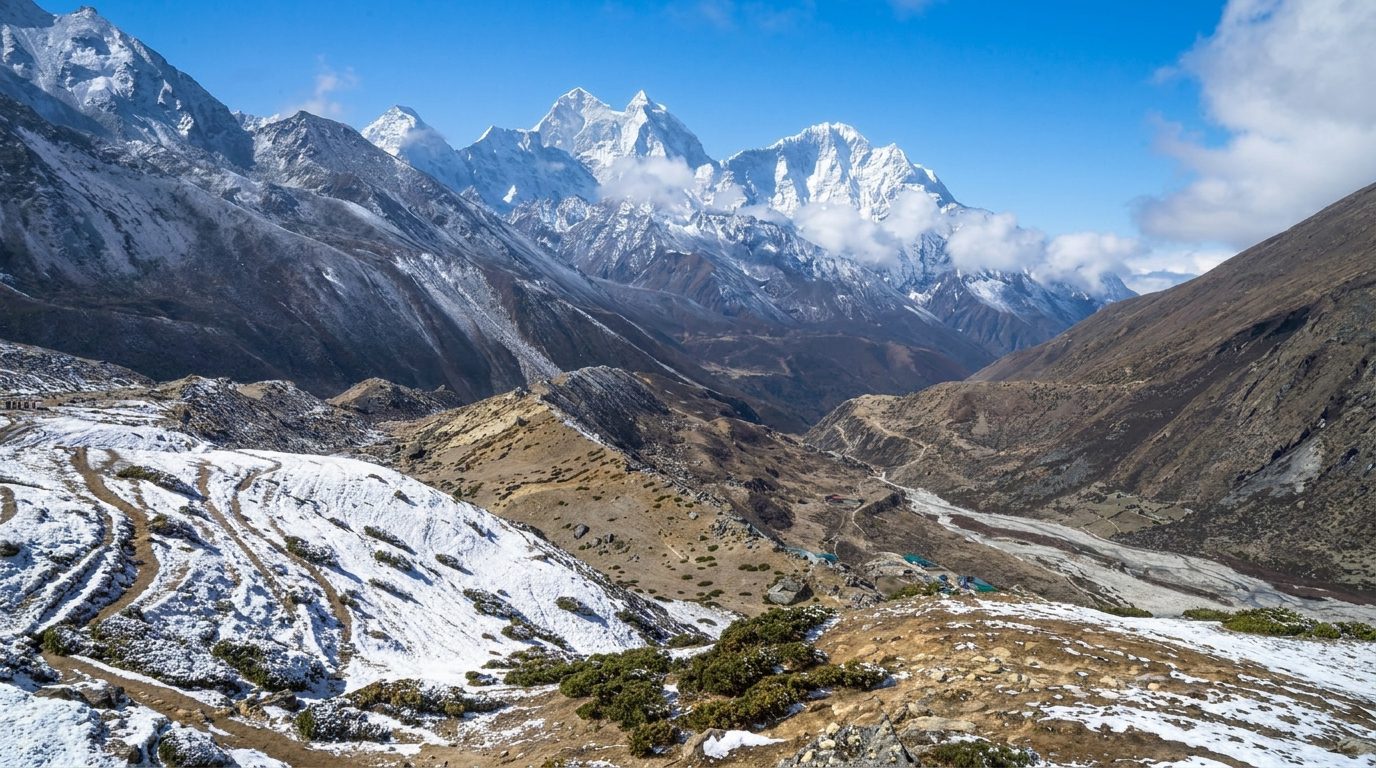
Shinta Mani Mustang sits above Jomsom, the administrative hub of the Mustang District, in Nepal’s Kali Gandaki Valley — one of the deepest gorges on Earth, carved between the Annapurna and Dhaulagiri massifs. The hotel itself occupies a hillside position in Lower Mustang, with every suite facing the Nilgiri and Dhaulagiri peaks.
Mustang carries a nickname that explains why this location matters so much: the Forbidden Kingdom. Formerly the independent Kingdom of Lo, the region stayed closed to virtually all outside visitors until 1992, largely because of its sensitive position on the Tibetan border. That isolation preserved a Tibetan Buddhist culture, architecture, and landscape that changed very little for centuries — sandstone cliffs riddled with ancient meditation caves, 800-year-old villages, and monasteries that predate most European cathedrals.
Staying at Shinta Mani Mustang puts guests inside that landscape rather than looking at it from a bus window. The lodge sits close enough to villages like Lubra — a Bon Buddhist settlement roughly 800 years old — that a half-day excursion feels like stepping into a different century.
The Design Story: Bill Bensley’s Vision for Mustang
Bill Bensley built his reputation designing maximalist, deeply site-specific luxury properties across Southeast Asia, including Shinta Mani Wild in Cambodia’s Cardamom Mountains. Shinta Mani Mustang marks his first project in Nepal and his first collaboration outside Cambodia with Shinta Mani Hotels.
Bensley’s approach here leans into restraint rather than excess. The lodge is built from local Baglung stone, arranged so its architecture echoes traditional Tibetan homesteads rather than importing a foreign aesthetic into the landscape. Suites use upcycled furnishings alongside artwork by the late British-Nepali artist Robert Powell, whose watercolor studies of the Himalayas and Nepali architecture have long been treated as important visual records of the region.
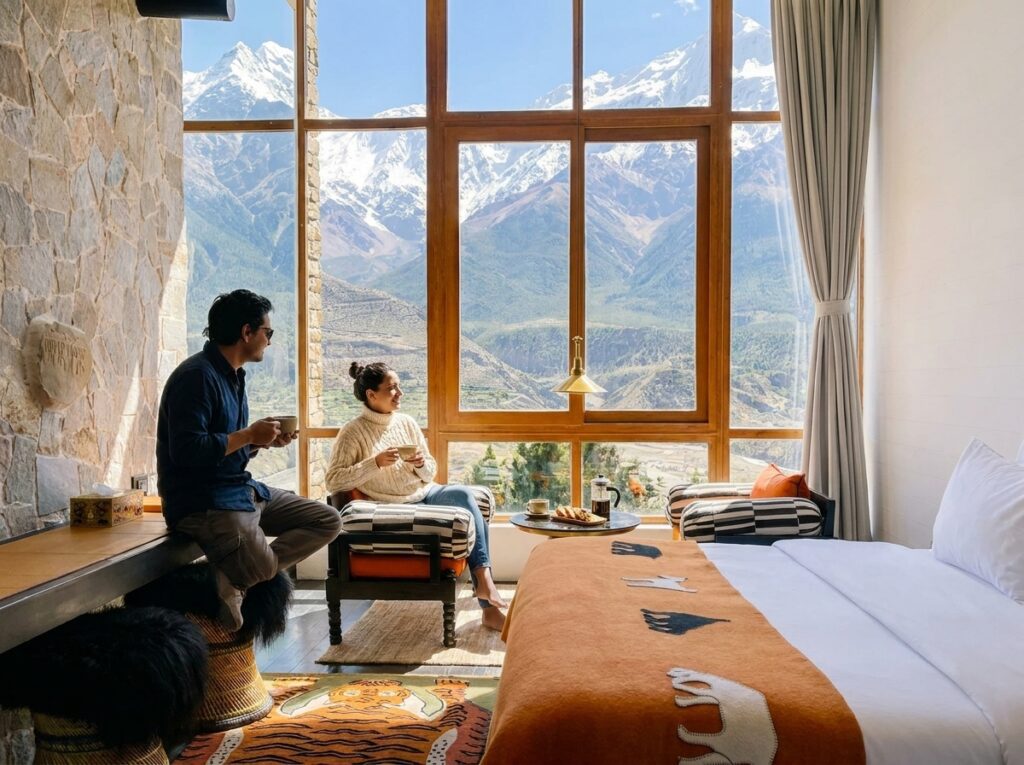
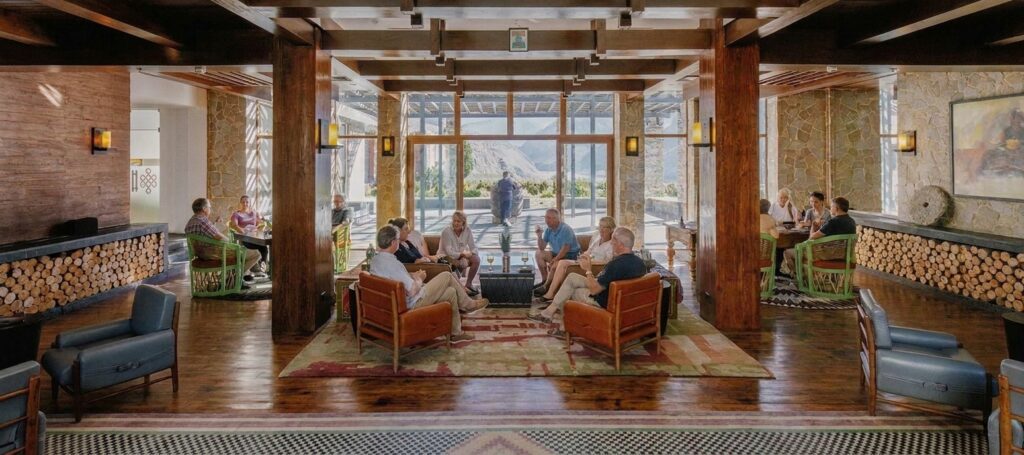
Floor-to-ceiling windows run through the common areas and guest suites alike, framing the Nilgiri range as a constant backdrop rather than an occasional view. The result reads less like a conventional hotel and more like a stylized Tibetan monastery reimagined for modern comfort — an impression multiple reviewers and travel publications have independently made, describing the property as feeling closer to a sacred retreat than a standard resort.
Inside the Suites
All 29 suites at Shinta Mani Mustang follow a similar design language: open-plan bedroom and living areas, traditional Tibetan-inspired décor, and large windows positioned to maximize mountain views. Ground-floor and top-floor suites each measure roughly 48 square meters, with the bedroom and living space separated but flowing into one another.
Rates vary by suite category and season, but published pricing places entry-level suites from roughly USD 1,700–2,100+ per couple per night, with a minimum five-night stay required and government taxes and service charges added on top. That pricing is all-inclusive — it covers meals, guided excursions, and most on-property experiences rather than functioning as a per-night room rate with add-ons.
Dining and Wellness
Shinta Mani Mustang centers its food and beverage program around the 60-cover Nilgiri Restaurant, which serves modern Nepali cuisine alongside Western dishes, using ingredients sourced from the surrounding valley wherever possible. The Aara Bar takes its name from a traditional Tibetan distilled liquor and anchors the lodge’s evening social space.
The Wellness Center sets the property apart from most luxury lodges in Nepal. It houses two treatment suites with floor-to-ceiling mountain views, each fitted with a hot plunge pool, steam room, sauna, and space for two simultaneous massage treatments. The wellness program draws on Tibetan medicine, developed in partnership with a local eleventh-generation Amchi doctor — a traditional Tibetan physician — who also offers guests consultations rooted in centuries-old herbal practice rather than a generic spa menu imported from elsewhere.
Excursions and Experiences
Rather than positioning itself as a destination to relax at in isolation, Shinta Mani Mustang builds its all-inclusive program around daily excursions led by trained Bensley Adventure Guides. Options include:
- Horseback riding along old Himalayan trading routes
- Archery, a traditional skill still practiced across the region
- Guided treks to viewpoints and villages inaccessible to most visitors
- Cultural visits to Lubra, an 800-year-old Bon Buddhist village
- Rock climbing and cycling routes through the Kali Gandaki gorge
- Helicopter tours over the Annapurna and Dhaulagiri ranges
- Farm-to-fork picnics prepared and served on the trail
The five-night program is structured so guests can do a different excursion every day without repeating a route — a deliberate design choice meant to justify the extended minimum stay and immerse visitors in the region rather than rushing through it.
How to Get to Shinta Mani Mustang
Reaching the hotel takes real effort, which is part of what makes the location feel exclusive rather than manufactured.
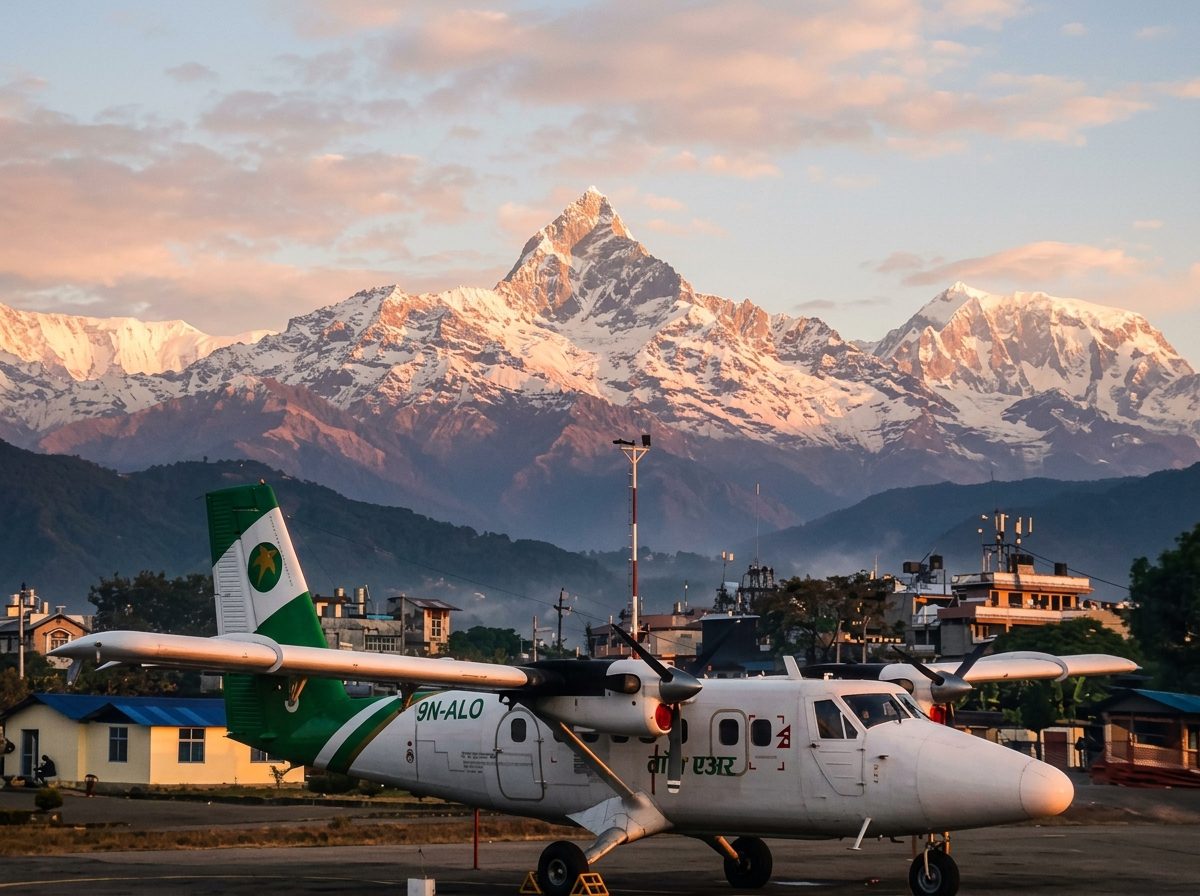
By commercial flight: Short domestic flights connect Kathmandu and Pokhara to Jomsom, the nearest airstrip to the property. These flights run seasonally — generally from mid-September through early December and again from mid-March through early June — and typically depart in the early morning, before Mustang’s famously strong afternoon winds pick up.
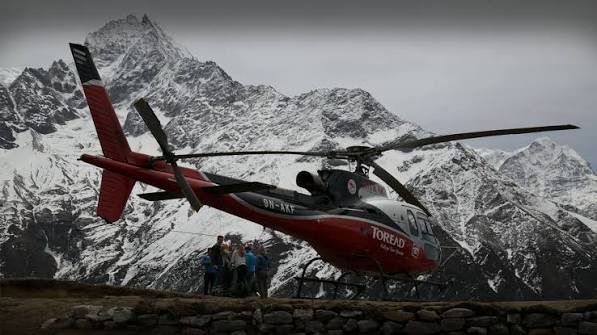
By helicopter: Guests short on time can charter a private helicopter directly to the property. The flight runs roughly an hour from Kathmandu or about 25 minutes from Pokhara, priced per person rather than per group.
By road: Overland transfers exist but involve hours of driving over unpaved, rock-strewn river-bed roads — an adventure in its own right, and one the hotel factors into its guided transfer options.
Monsoon season, from June through August, disrupts both flights and road travel, and most visitors avoid traveling to Mustang during this window entirely.
Permits and Practical Travel Information
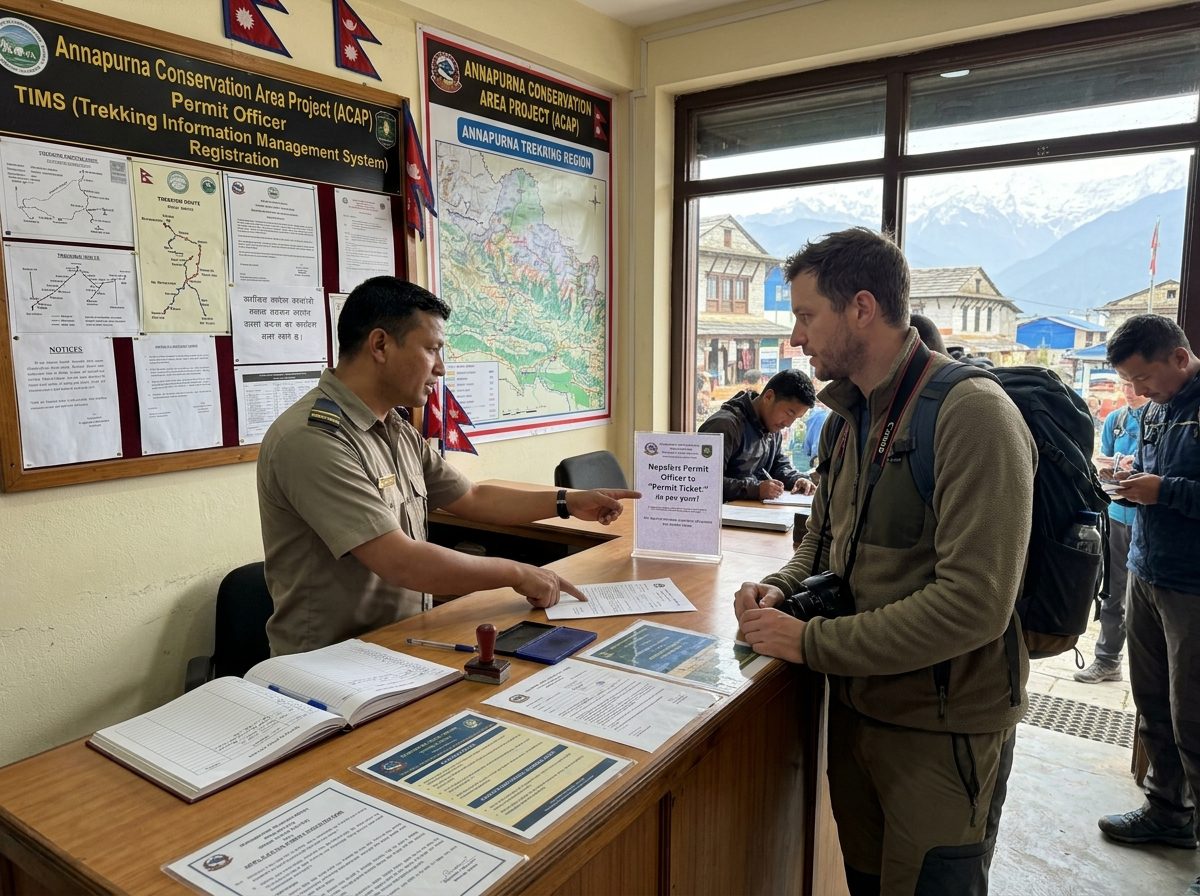
Shinta Mani Mustang itself sits in Lower Mustang, inside the Annapurna Conservation Area, so guests need a standard ACAP (Annapurna Conservation Area Permit) to enter the region — arranged in advance through Kathmandu, Pokhara, or the hotel’s own logistics team.
Guests who want to venture further north into Upper Mustang — toward Lo Manthang, the historic walled capital of the former Kingdom of Lo — need an additional Restricted Area Permit (RAP). As of 2026, Nepal charges USD 50 per person per day for this permit, payable only through a registered trekking agency, with no minimum stay requirement. That’s a significant change from the old flat USD 500 fee for a minimum ten-day stay, making shorter add-on excursions into Upper Mustang considerably more affordable than they used to be. Independent travel in the restricted zone still isn’t permitted — visitors need a licensed guide regardless of experience level.
Given the property’s all-inclusive model, most guests never handle permit logistics directly; the hotel’s team typically manages documentation as part of the booking process.
What the Award Means for Nepal’s Tourism Industry
Namgyal Sherpa, CEO of Sherpa Hospitality Group, framed the Robb Report ranking as bigger than a single property’s achievement, describing it as a step toward reestablishing Nepal’s place among the world’s leading luxury destinations by highlighting the country’s culture, landscapes, and heritage rather than reshaping them to fit an imported luxury template.
The Nepal Tourism Board echoed that framing, treating the award as validation that Nepali hospitality can compete directly with internationally established luxury brands. For a country whose tourism economy has leaned heavily on budget and mid-range trekking tourism for decades, a No. 1 global luxury ranking opens a genuinely new market segment — high-spending travelers who might never have considered Nepal a luxury destination before this list existed.
That shift carries real economic weight. Luxury travelers typically stay longer, spend significantly more per visit, and generate outsized revenue for surrounding communities compared to budget trekkers passing through the same region. Early signs suggest other operators are already watching Mustang closely as a potential model for developing similar high-end, culturally rooted properties elsewhere in Nepal’s mountain regions.
Community Impact and Sustainability
Luxury hospitality in a region as culturally sensitive as Mustang carries a responsibility that goes beyond design and service, and Shinta Mani Mustang has built its operating model around that idea rather than treating it as an afterthought. Sherpa Hospitality Group runs the property alongside a nonprofit foundation focused on education, vocational training, health, and emergency assistance for surrounding communities — a structure the group has used across its other Shinta Mani properties as well.
In practice, that means local sourcing wherever possible for the Nilgiri Restaurant’s kitchen, employment drawn heavily from Mustang and the wider Sherpa hospitality network rather than imported staff, and excursions designed around existing village life instead of manufactured “cultural experiences.” Guests visiting Lubra or receiving a consultation from the resident Amchi doctor aren’t stepping into a performance staged for tourists — they’re engaging with practices and institutions that predate the hotel by centuries and will continue long after any given guest checks out.
This model matters for Nepal’s broader tourism strategy. Mass trekking tourism has, in some regions, strained fragile trails and thin local infrastructure. A high-spend, low-volume luxury model — 29 suites rather than hundreds of rooms, five-night minimum stays rather than one-night stopovers — offers an alternative that generates significant revenue per visitor while limiting foot traffic through environmentally and culturally sensitive terrain.
How Shinta Mani Mustang Compares to Other Nepal Luxury Stays
Nepal has slowly built out a small roster of high-end properties over the past two decades, but few have attempted anything at this altitude or in this degree of remoteness. Kathmandu Valley favorites like Dwarika’s Hotel lean on restored heritage architecture and urban convenience. Trekking-region lodges such as Tiger Mountain Pokhara Lodge or the Yeti Mountain Home network offer comfortable, well-run bases along popular trekking routes, but operate at a different price point and design ambition than a Bensley-designed, all-inclusive property.
Shinta Mani Mustang occupies a category almost by itself in Nepal: a five-star, internationally benchmarked luxury lodge positioned inside a formerly restricted border region, built specifically around immersive excursions rather than a fixed base for independent sightseeing. That positioning is precisely what let it compete against destination-defining luxury properties elsewhere in the world rather than only against other Nepal hotels — and why Robb Report’s judges evaluated it on the same terms as resorts in Rwanda, Scotland, and Japan rather than carving out a separate “adventure lodge” category.
Who Should Consider Staying Here
Shinta Mani Mustang isn’t built for travelers seeking an easy, low-effort luxury weekend. It suits:
- Experienced travelers comfortable with altitude, unpaved roads, and seasonal flight schedules
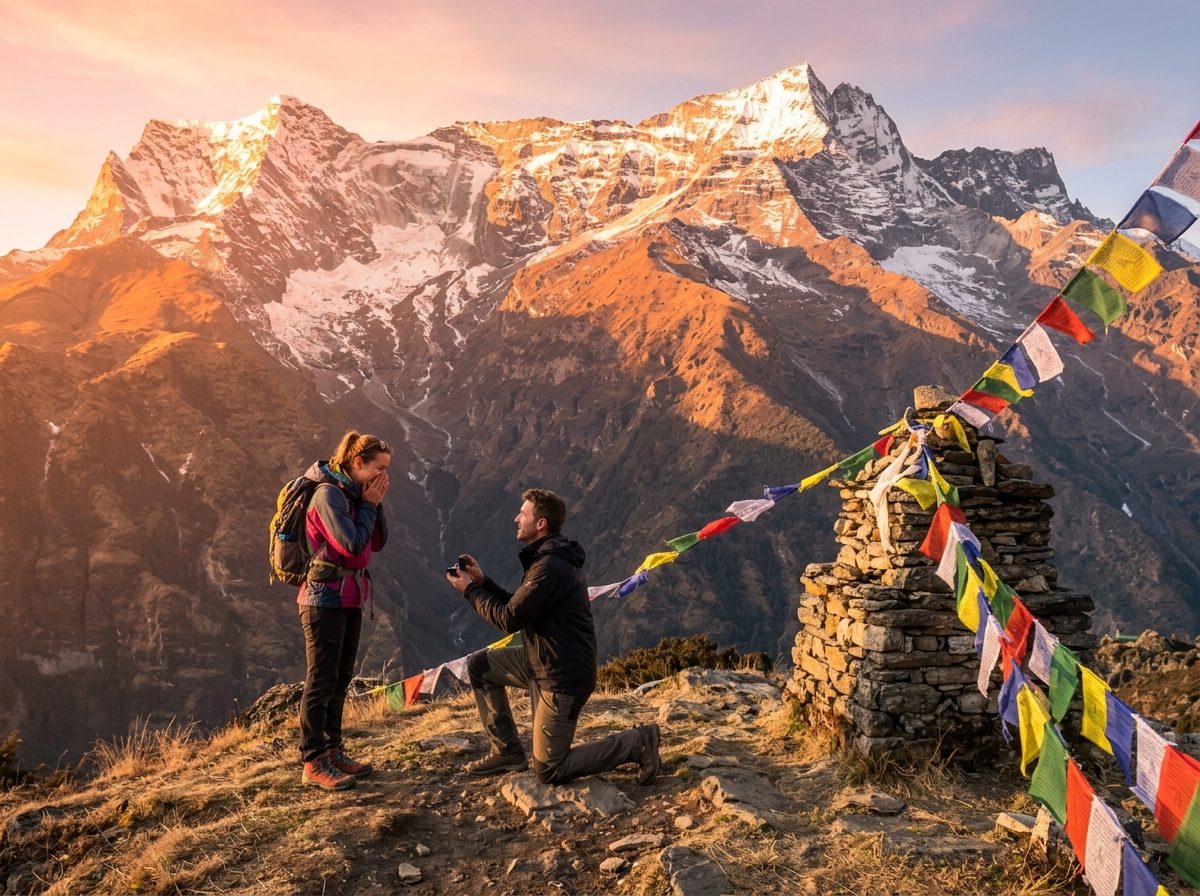
- Couples and small groups celebrating a milestone who want an immersive, guided experience rather than a beach-resort itinerary
- Culturally curious guests interested in Tibetan Buddhist heritage, traditional medicine, and centuries-old village life
- Photographers and outdoor enthusiasts drawn to the Nilgiri and Dhaulagiri ranges and Mustang’s dramatic desert-mountain terrain
- Travelers extending a Nepal trip who’ve already spent time in Kathmandu or on a standard trekking route and want a very different final chapter
It’s a poor fit for first-time visitors to Nepal looking for an easy introduction, travelers on tight schedules who can’t accommodate weather-dependent flights, or anyone unwilling to commit to the five-night minimum stay that anchors the all-inclusive program.
FAQs About Shinta Mani Mustang
Where exactly is Shinta Mani Mustang located?
It sits above Jomsom in the Mustang District, in Nepal’s Kali Gandaki Valley, at roughly 2,800 meters elevation — in Lower Mustang, not the restricted Upper Mustang zone.
How much does it cost to stay at Shinta Mani Mustang?
Rates start around USD 1,700–2,100+ per couple per night, all-inclusive, with a minimum five-night stay plus applicable taxes and service charges.
Do I need a special permit to stay at the hotel?
You need a standard ACAP permit to enter the Annapurna Conservation Area, which covers Lower Mustang. A separate Restricted Area Permit is only required if you travel further north into Upper Mustang toward Lo Manthang.
What is the best time of year to visit?
Mid-September through early December and mid-March through early June offer the most reliable flying weather. Monsoon season (June–August) frequently disrupts both flights and road access.
Who designed Shinta Mani Mustang?
Renowned designer Bill Bensley, in partnership with Kathmandu-based Sherpa Hospitality Group. It’s his first project in Nepal.
Is Shinta Mani Mustang suitable for first-time visitors to Nepal?
It suits travelers comfortable with remote travel and higher altitude rather than first-time visitors seeking an easy introduction to the country — reaching the property involves short domestic flights or long overland transfers, and the region sits well above sea level.
Comments (0)
Write a comment- What Makes Shinta Mani Mustang the World’s No. 1 Luxury Hotel
- Where Is Shinta Mani Mustang Located?
- The Design Story: Bill Bensley’s Vision for Mustang
- Inside the Suites
- Dining and Wellness
- Excursions and Experiences
- How to Get to Shinta Mani Mustang
- Permits and Practical Travel Information
- What the Award Means for Nepal’s Tourism Industry
- Community Impact and Sustainability
- How Shinta Mani Mustang Compares to Other Nepal Luxury Stays
- Who Should Consider Staying Here
- FAQs About Shinta Mani Mustang
Read the latest Blogs & Insights
Explore our collection of articles and insights to gain in-depth travel knowledge, expert advice, and stay updated on the latest trends and tips.


No comments yet.