









Kanchenjunga Trek Guide 2025
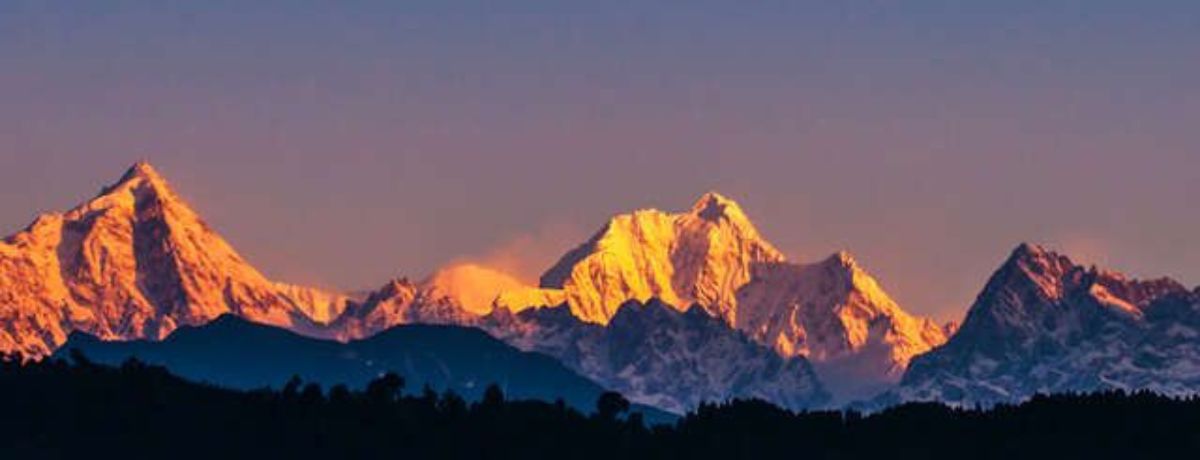
The trek to Kanchenjunga is truly one of the most fulfilling journeys you ever descended in Nepal. You will be taken to the eastern Himalayas to the foot of Mount Kanchenjunga which is about 8,586m tall and considered as the third highest peak in the world.
-
 Adventure Master Trek
-
9 October, 2025
-
13 mins read
-
2290 Views
-
0 Comments


As you walk in those trails, you will find several peaceful routes, clear environments where you can relax and also experience the culture of the local people residing there which includes Rai and Limbu.
Kanchenjunga is well known for the wonderful scenery of the huge mountains and the various wildlife. You will pass through isolated villages, towns, travel in deep forests and high alpine meadows which are quite peaceful as they are rarely visited by tourists.
This guide will help you to plan and organize everything for your trip. In our Kanchenjunga Trek Guide 2025, we have included everything you need from the permits, budget pricing, packing equipment, customizable itinerary to professional guidance to make sure you experience a safe and memorable trip in Nepal.
Why Trek to Kanchenjunga in 2025?
The Kanchenjunga trek is more than just a mountain hike but it is also a great opportunity for the travelers to find the most amazing places which are not much explored. If you are seeking for an off-the-beaten-path experience filled with the most scenic and beautiful Himalayas views, want to explore and get to know about the culture and pure natures, this trek will be at the top of your list in Nepal.
An Unexplored Nepal Himalaya Trekking Experience
This path provides an authentic Nepal rural hiking experience, in contrast to well-traveled pathways. For those seeking seclusion and unadulterated natural beauty in the eastern Nepal trekking zone, this location is perfect because few trekkers travel here.
Adventure in Eastern Nepal’s Wild Terrain
The trail winds through deep river valleys, dense woods, and high alpine environments that are rich in mountain species. With less crowds and lots of excitement, this base camp hike in Nepal provides wild, rocky terrain.
Cultural Immersion in Yak Herder Villages
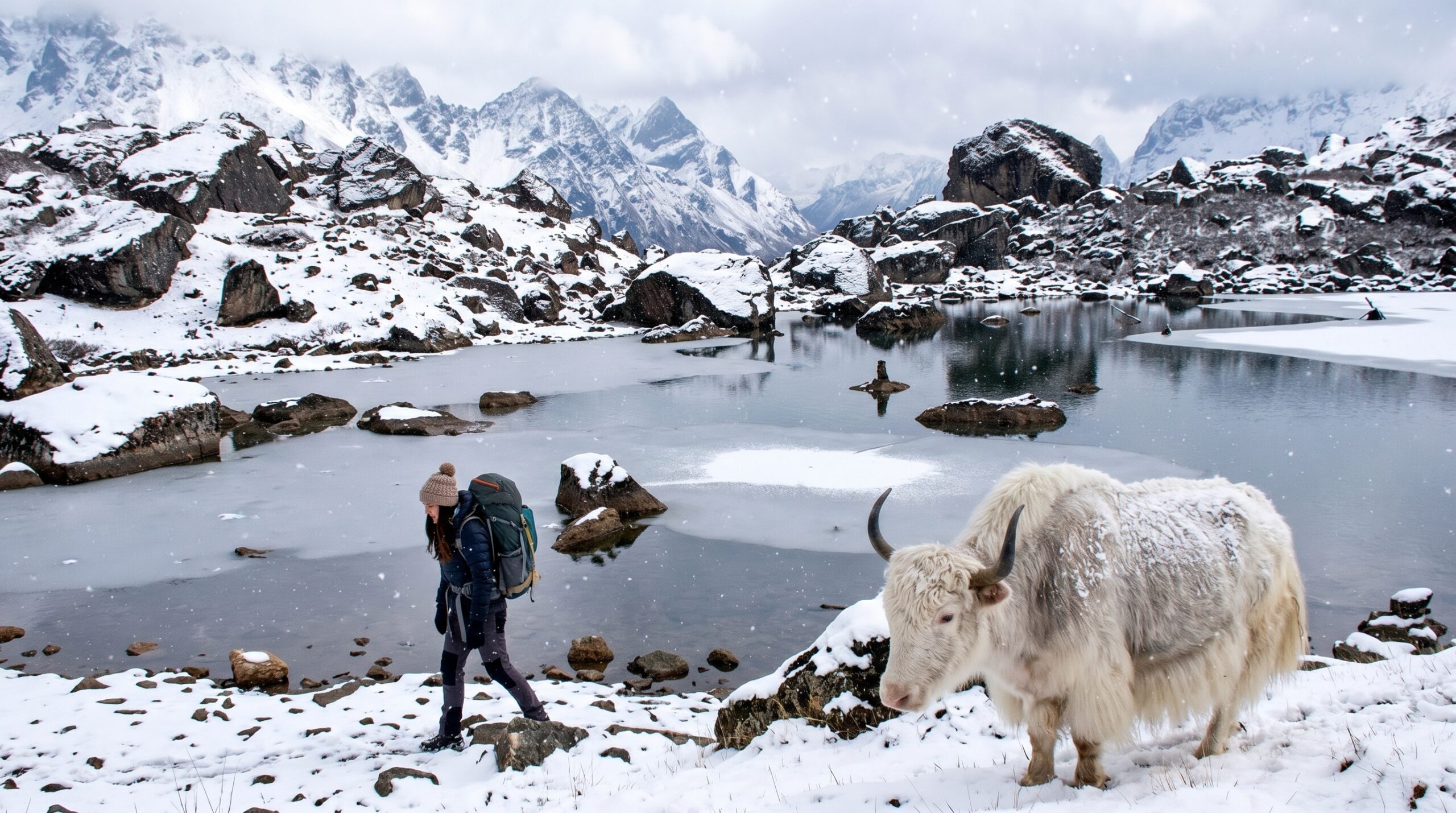
You can hike in the remote regions where you can find the yak grazing in the field and witness the lifestyle of the people living there for years. This trip also provides a thorough, real experience of Sherpa culture.
Jaw-Dropping Views from Pangpema & Sele La
With breathtaking views from famous locations like Sele La Pass and Pangpema (Kanchenjunga North Base Camp), the walk is well worth it. You can also discover the majestic and stunning view of the Kanchenjunga range from the highest point of the trek which is the Kanchenjunga base camp.
KBC Trek 19-day Itinerary (Perfect Plan for 2025)
The Kanchenjunga Trek 2025 requires a carefully planned itinerary. As there is poor terrain, limited facilities and long distances in this region. If you make a proper itinerary to help you have safe timing and proper acclimatization whether you are traveling to the traditional Kanchenjunga Base Camp Trek or doing the Kanchenjunga Circuit.
Day-by-Day Itinerary Breakdown
Day 1: Arrival in Kathmandu
Day 2: Trek Permit Preparation Day and Sightseeing tour (Optional)
Day 3: Morning flight of 45 -50 minutes to Bhadrapur and then drive to Taplejung
Day 4: Taplejung to Sekathum
Day 5: Sekathum to Amjilosa
Day 6: Amjilosa to Gyabla
Day 7: Gyabla to Ghunsa
Day 8: Ghunsa to Khambachen
Day 9: Acclimatization and Rest Day
Day 10: Trek from Khambachen to Lhonak
Day 11: Hike to Kanchenjunga North base camp (Pang Pema) and return to Lhonak
Day 12: Lhonak to Ghunsa
Day 13: Trek to Sele Le Base Camp
Day 14: Trek from Sele Le Base Camp to Tseram
Day 15: Trek from Tseram to Ramche and Hike to Oktang (Yalung South Base Camp Viewpoint, and back to Tseram
Day 16: Trek from Tseram to Tortong
Day 17: Trek from Tortong to Yamphudin
Day 18: Yamphudin to Kanyam
Day 19: Drive from Kanyam to Bhadrapur and late afternoon flight back to Kathmandu
Budget-Friendly Kanchenjunga Trek Options
You can hike to the North Base Camp (Pangpema) or the South Base Camp (Oktang) if you are on limited time and wish to have peaceful and less difficult trails. It will provide you stunning views of the Himalayas by removing the days from the entire area.
You can take a jeep ride to and from trail entry locations as helicopter access is limited to save time and money. It is an excellent choice for trekkers who want to see the Kanchenjunga without investing for the full 3 weeks.
Kanchenjunga Trek Costs & Budgeting for 2025
Kanchenjunga trekking can be more expensive than other popular routes because of its remoteness, length, and limited facilities. If you plan carefully, you can successfully control the cost for your trip to Kanchenjunga.
Here’s an overview of what to expect along with budgeting advice.
Complete Trekking Cost Breakdown Table
| Category | Estimated Cost (USD) |
| Permits | $100–$120 |
| Accommodation | $200–$350 |
| Food(3 meals/day) | $300–$400 |
| Guide/Porter Fees | $400–$600 |
| Transport (Flights/Bus) | $250–$350 |
| Miscellaneous | $100–$150 |
| Total estimated cost | $1,650 – $2,300 |
Travel Tips for Budget-Conscious Trekkers
You don’t have to spend thousands of money to get the hiking experience in Nepal. You can still enjoy the beautiful scenery of the Himalayas at much lower costs and help out the local community by making a few wise decisions. Here are some doable suggestions to help you cut costs on your hiking trip in Nepal without sacrificing excellence.
- You should make your reservation through a local trekking agency in Nepal as they are less expensive and help the community.
- To split the cost of permits, porters and guides, you can go for a group trek.
- When possible, stay at simple teahouses; only camp if absolutely necessary.
- Pack your own snacks and water purification pills to avoid other trekking costs
- You can begin and finish your journey in local jeeps rather than hiring private transportation.
- You should trek in the late spring or early autumn to avoid crowds and travel in lower price.
Accommodation and Food Along the Kanchenjunga Trail
The accommodation in Kanchenjunga Trek is simple and basic as you will be crossing isolated and wild landscapes with limited facilities. You can get simple meals, basic services and a true journey in the deep east of Nepal. Take a quick glance at your accommodations and meal plans.
Teahouse and Camping Mix on the Kanchenjunga Route
In Nepal, this route combines trekking in remote towns with teahouse stays and tented treks. Basic teahouses in the lower regions provide hot meals and beds, but higher, remote locations require camping with full staff support.
Simple, Local Meals & Nutrition Tips
You will get Dal bhat which is a traditional dish of Nepal. The meals are simple but filling which give the energy for the trek. You can also bring high calorie trekking diet foods like energy bars, almonds and some quick snacks for extra energy.
You need to eat healthy and drink enough water to overcome the difficulties in the high altitude and lengthy trekking days.
Extended Trekking Routes for Kanchenjunga 2025
If you wish to go off the usual path, there are more exciting methods to explore the Kanchenjunga region. There are two popular options that offer visitors an isolated but rewarding experience in the Kanchenjunga Circuit trip 2025 and the shorter base camp trip Nepal route.
Trek to North and South Base Camps on the Kanchenjunga Circuit
The Kanchenjunga Circuit Trek includes northern and southern paths to traverse isolated valleys, high mountain passes, and traditional towns. If you are an expert hiker, this trekking through a remote village will be a great deal .
North Base Camp Trek Only (Shorter Option)
With its shorter itinerary and focus on the northern route, this base camp trip Nepal alternative offers breathtaking views of the glaciers. If you have limited time, this trip will be perfect because it will provide you a great experience in a shorter amount of time.
When is the Best Time to Trek Kanchenjunga?
You need to know about the right seasons before starting any trekking. As the Kanchenjunga region has remote trails, stunning landscapes, and cultural diversity, you need to find which seasons fit your preference and make the region more stunning to visit.
It can be helpful to plan a successful walk by understanding the seasonal benefits and drawbacks as the weather and trail conditions can change throughout the year.
Peak Seasons (Spring & Autumn)
Spring (March–May): Spring offers clear skies, pleasant temperatures, stable weather and perfect nature with blooming rhododendrons in forests. You will get the most scenic views of the vistas especially at higher altitudes. You will get the most comfortable and memorable trekking experience during the spring seasons.
Autumn (September–November): Autumn provides you the most stable weather where there are bright skies and dry days. Kanchenjunga is well visible in the post-monsoon air. It’s the most well-liked and dependable time of year to go hiking in the area.
Off-Season Trekking – Pros and Cons
Winter (December–February): During the winter seasons, you can expect snow and cold weather at higher elevations. However, the paths can be peaceful and you can see the open views of vistas.
Monsoon (June–August): This season makes the paths more slippery and dangerous as landscapes can occur due to heavy rain. You might get proper views of mountains and there are leeches on the trails especially in lower locationsThe scenery is beautiful and serene for seasoned hikers, but not for most.
Permits and Entry Requirements for Kanchenjunga Trekking
Getting the right permissions is crucial before beginning your trek in the Kanchenjunga region. These help local communities and help conservation efforts in addition to providing you get legal entry to the restricted area.
Kanchenjunga Restricted Area Permit (RAP) & KCAP Entry Permit
There are two main permits required for this area:
- Restricted location Permit (RAP): It is a heavily restricted location near the Indian border so acts as an entry permit.
- Kanchenjunga Conservation Area Project (KCAP): It is an entry permit which helps to preserve the natural and cultural assets of the area you are visiting.
The cost for the restricted area permit is around 20$ per week. However, the pricing can also differ based on the duration of stay and time of year.
Where and How to Obtain Permits in Nepal
Both permits are available from a Kathmandu trekking agency that is registered with the government. Solo trekking is not permitted at Kanchenjunga; a minimum of two trekkers and a certified guide are required. As these permits are not available on the checkpoint of the trials, you have to make sure to set up everything before leaving the city.
Final Tips for a Successful Kanchenjunga Trek
The trekking experience in Kanchenjunga can be demanding as you will be traveling in remote Kanchenjunga Circuit. You need to make thorough preparations to overcome such difficulties before starting the trek. Here are some final pieces of advice to help you enjoy this amazing journey to the fullest by staying safe and healthy:
1. Train Your Body and Mind for the Challenge
The trek includes various difficult factors like lengthy walking days, high climbs and visits to isolated areas. You might not be able to get the modern facilities on the Kanchenjunga Circuit while traveling in unvisited places. You have to train your body to overcome the difficulties and focus on hiking on rough terrain while carrying a full backpack.
You can engage yourself in exercise like stair climbing or hill walking to make your body ready for the trek. Improve core and leg strength to endure several days on rough terrain. As physical stamina is important, you need mental stamina as some places are cut off for days at a time. You must be prepared for limited living conditions and be prepared for full hiking days.
2. Prioritize Health, Hydration, and Acclimatization
As you are travelling in high altitudes which cross over 5000 m height, you can have some risk of altitude sickness. But it can be avoided if you make necessary steps. You should not push your body further and acclimate properly in the areas like Ghunsa and Lhona. You should properly hydrate your body by drinking 3-4 liters of water per day and refrain from hurrying the trek.
If any signs of altitude sickness like dizziness, exhaustion or breathing problems begin, you should immediately inform your guide and descend quickly if the situation is bad. If you follow such precautions, you can safely finish your trek in enjoyment and make sure to maintain a calm and steady pace.
3. Book with Adventure Master Trek
You receive more than just a guide when you trek the Kanchenjunga with Adventure Master Trek; you get a trustworthy crew with years of experience of trekking in remote, restricted areas. We take care of everything whether from obtaining the KCAP entry and Restricted Area Permit to arranging for expert guides, strong porters, and complete camping assistance in areas with few teahouses.
Our staff will make sure to give you a perfect, well organized and trouble free trip to ensure your safety and enjoyment. We will handle everything so you just have to enjoy this once in a lifetime journey. You are in capable hands with us at every stage.
H2: FAQs for Kanchenjunga Trekking 2025
Q1: How difficult is the Kanchenjunga trek?
Due to the long hiking days, rough terrain, and high altitudes, the journey to Kanchenjunga can be extremely difficult. You must be physically fit and have prior trekking experience.
Q2: What is the best time to trek to Kanchenjunga?
The best time to trek to the Kanchenjunga region is the spring around March to May and autumn around September to November. You will be offered with the stable weather, clear skies and beautiful views of the Himalayas during these seasons.
Q3: How much does the Kanchenjunga trek cost in 2025?
The average cost of the Kanchenjunga trek is between $2,000 and $3,000 USD. The length of the hike, the group size you select, and other crucial services like permits, guides, and transportation all have a role.
Q4: Do I need a guide for the Kanchenjunga trek?
Yes, you need to require a licensed guide as the Kanchenjunga is a restricted region. You must take an expert guide who will handle all the road navigation and give you a perfect trekking experience.
Q5: Can I charge my electronics along the trek?
Yes, you can charge your electronics along the trek. You can find the charging spots at some teahouses in lower areas but keep that in mind that power is limited. You can bring your own solar charges and a power bank.
Q6: Is the Kanchenjunga trek safe for solo travelers?
No, you cannot go for a solo trek in the Kanchenjunga region. You can make your booking with the local agency to ensure your safety.
Q7: What gear do I need for the trek?
You need to make proper packing as you will be travelling in the Kanchenjunga region. You have to make sure your packing includes cold weather trekking gear which have layers, a sleeping bag rated to -15°C, trekking poles, sturdy boots, and a water purification method.
Q8: Do I need travel insurance for the Kanchenjunga trek?
Yes, you need to have travel insurance before starting the journey to Kanchenjunga. Your insurance must cover the high altitude trekking up to 5,200, lost gear, and emergency helicopter evacuation.
Q9: How can I avoid altitude sickness during the trek?
You should acclimatize properly, drink plenty of water, take it slow, and inform your guide immediately if you feel unwell or avoid altitude sickness during the trek.
Q10: Are there Kanchenjunga trek packages from Nepal?
Yes, our Adventure Master trek has various offers which include inclusive Kanchenjunga trek packages with guides, permits, transport, and give you full support throughout the trek.
Packages for Trekking in Nepal

 Nepal
Nepal
 19 Days
Comments (0)
Write a comment- Why Trek to Kanchenjunga in 2025?
- An Unexplored Nepal Himalaya Trekking Experience
- Adventure in Eastern Nepal’s Wild Terrain
- Cultural Immersion in Yak Herder Villages
- Jaw-Dropping Views from Pangpema & Sele La
- KBC Trek 19-day Itinerary (Perfect Plan for 2025)
- Day-by-Day Itinerary Breakdown
- Budget-Friendly Kanchenjunga Trek Options
- Kanchenjunga Trek Costs & Budgeting for 2025
- Complete Trekking Cost Breakdown Table
- Travel Tips for Budget-Conscious Trekkers
- Accommodation and Food Along the Kanchenjunga Trail
- Teahouse and Camping Mix on the Kanchenjunga Route
- Simple, Local Meals & Nutrition Tips
- Extended Trekking Routes for Kanchenjunga 2025
- Trek to North and South Base Camps on the Kanchenjunga Circuit
- North Base Camp Trek Only (Shorter Option)
- When is the Best Time to Trek Kanchenjunga?
- Peak Seasons (Spring & Autumn)
- Off-Season Trekking – Pros and Cons
- Permits and Entry Requirements for Kanchenjunga Trekking
- Kanchenjunga Restricted Area Permit (RAP) & KCAP Entry Permit
- Where and How to Obtain Permits in Nepal
- Final Tips for a Successful Kanchenjunga Trek
- 1. Train Your Body and Mind for the Challenge
- 2. Prioritize Health, Hydration, and Acclimatization
- 3. Book with Adventure Master Trek
- H2: FAQs for Kanchenjunga Trekking 2025
- Q1: How difficult is the Kanchenjunga trek?
- Q2: What is the best time to trek to Kanchenjunga?
- Q3: How much does the Kanchenjunga trek cost in 2025?
- Q4: Do I need a guide for the Kanchenjunga trek?
- Q5: Can I charge my electronics along the trek?
- Q6: Is the Kanchenjunga trek safe for solo travelers?
- Q7: What gear do I need for the trek?
- Q8: Do I need travel insurance for the Kanchenjunga trek?
- Q9: How can I avoid altitude sickness during the trek?
- Q10: Are there Kanchenjunga trek packages from Nepal?
Read the latest Blogs & Insights
Explore our collection of articles and insights to gain in-depth travel knowledge, expert advice, and stay updated on the latest trends and tips.


No comments yet.