









Is the Gokyo Lakes Helicopter Tour Worth It?
Gokyo Lakes sit at nearly4,700 meters in the Everest region, and reaching them on foot usually means the better part of two weeks of trekking. A helicopter tour compresses that into a matter of hours. That trade-off is exactly what makes this such a common question for travelers planning a Nepal trip: Is skipping the […]
-
 Adventure Master Trek
-
1 October, 2026
-
10 mins read
-
143 Views
-
0 Comments


Gokyo Lakes sit at nearly4,700 meters in the Everest region, and reaching them on foot usually means the better part of two weeks of trekking. A helicopter tour compresses that into a matter of hours. That trade-off is exactly what makes this such a common question for travelers planning a Nepal trip: Is skipping the trek and flying in instead actually worth what you’ll pay for it?
At Adventure Master Treks, we talk through this decision with a lot of travelers who are short on time, dealing with physical limitations, or simply trying to fit Everest region views into a trip that doesn’t have two weeks to spare. This guide breaks down what the tour actually includes, what it costs, and who genuinely gets their money’s worth out of it.
What the Tour Actually Includes
Most Gokyo Lakes helicopter tours follow a similar structure, though the exact route depends on which package and departure point you choose.
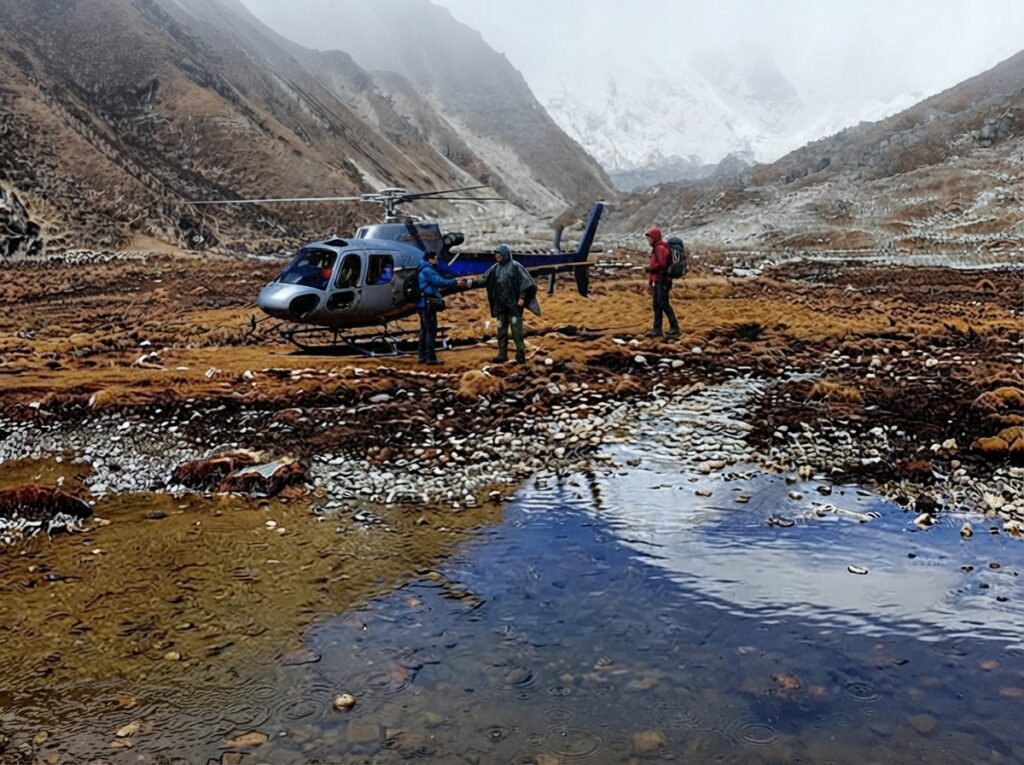
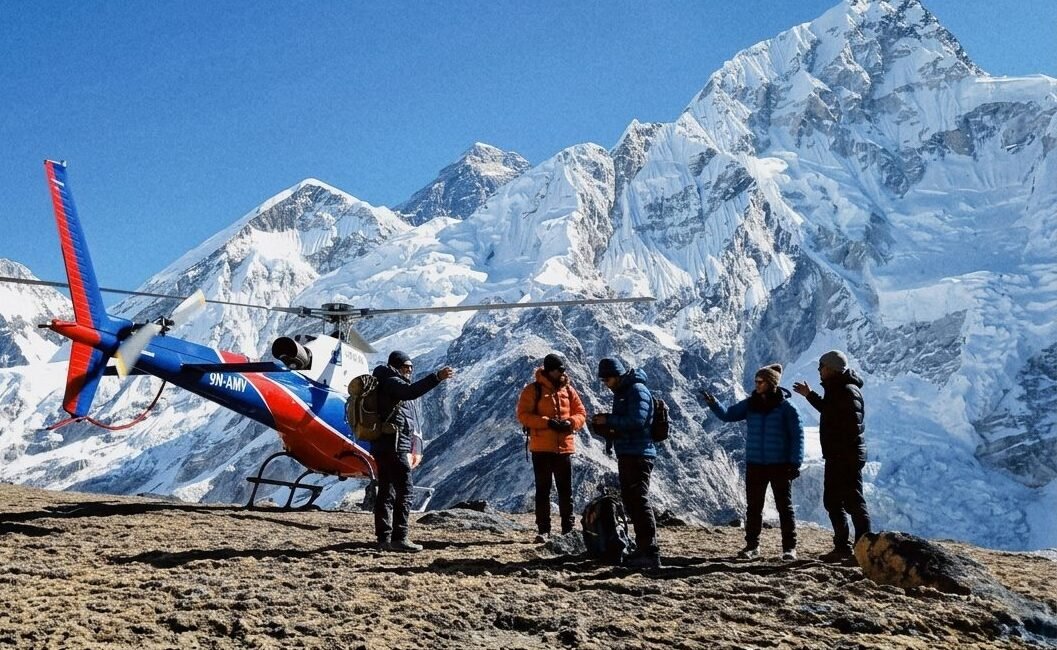
A typical full-day tour departing from Kathmandu starts with an early morning pickup, since mountain weather is clearest before mid-morning cloud buildup rolls in. The helicopter flies toward the Everest region, often passing near or over Everest Base Camp and Kala Patthar before continuing to Gokyo.
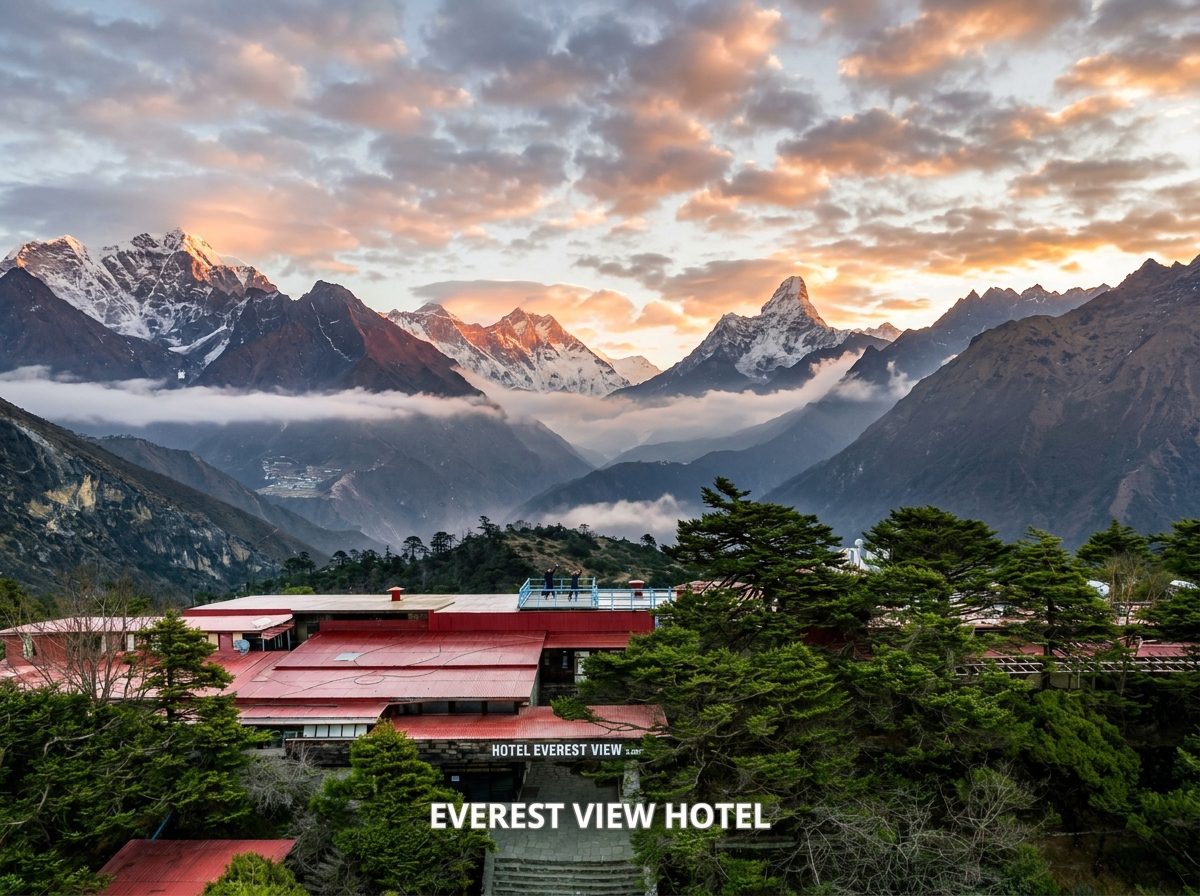
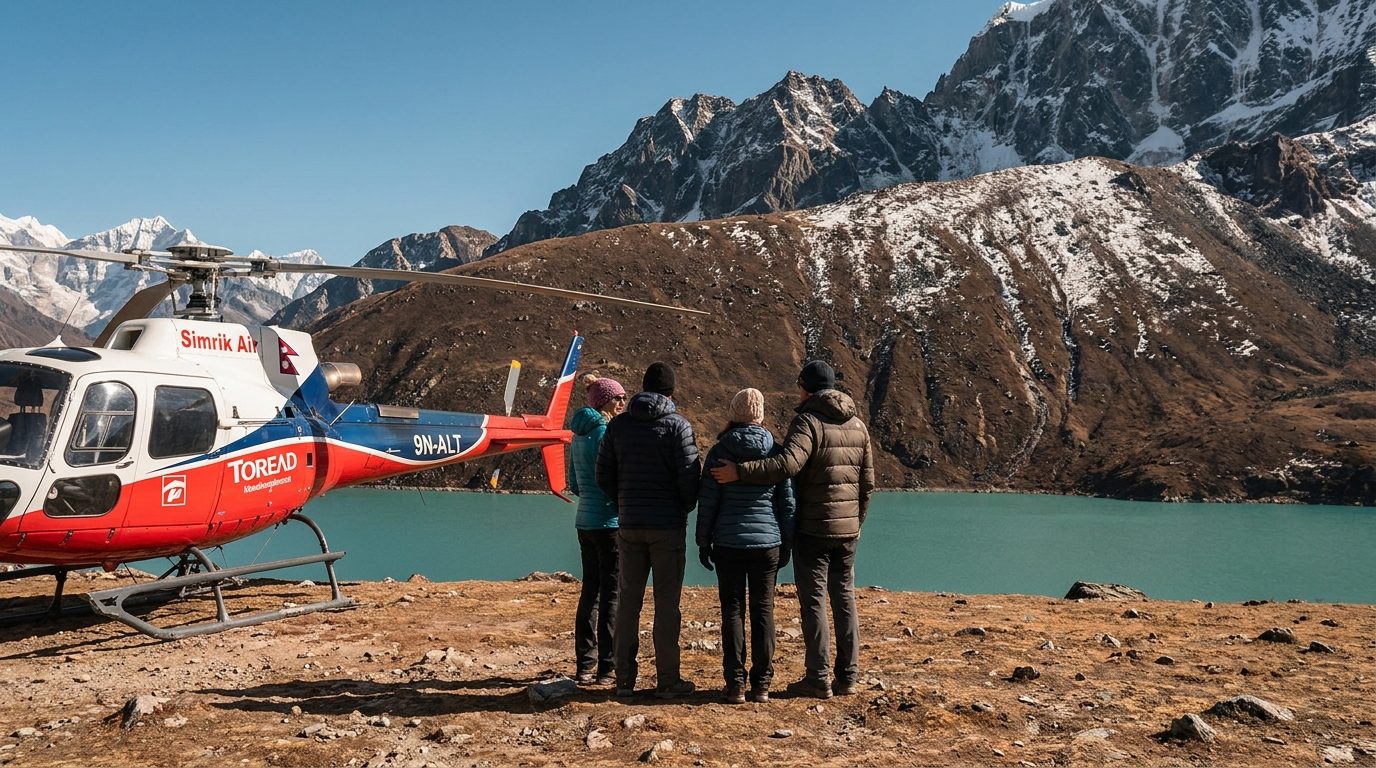
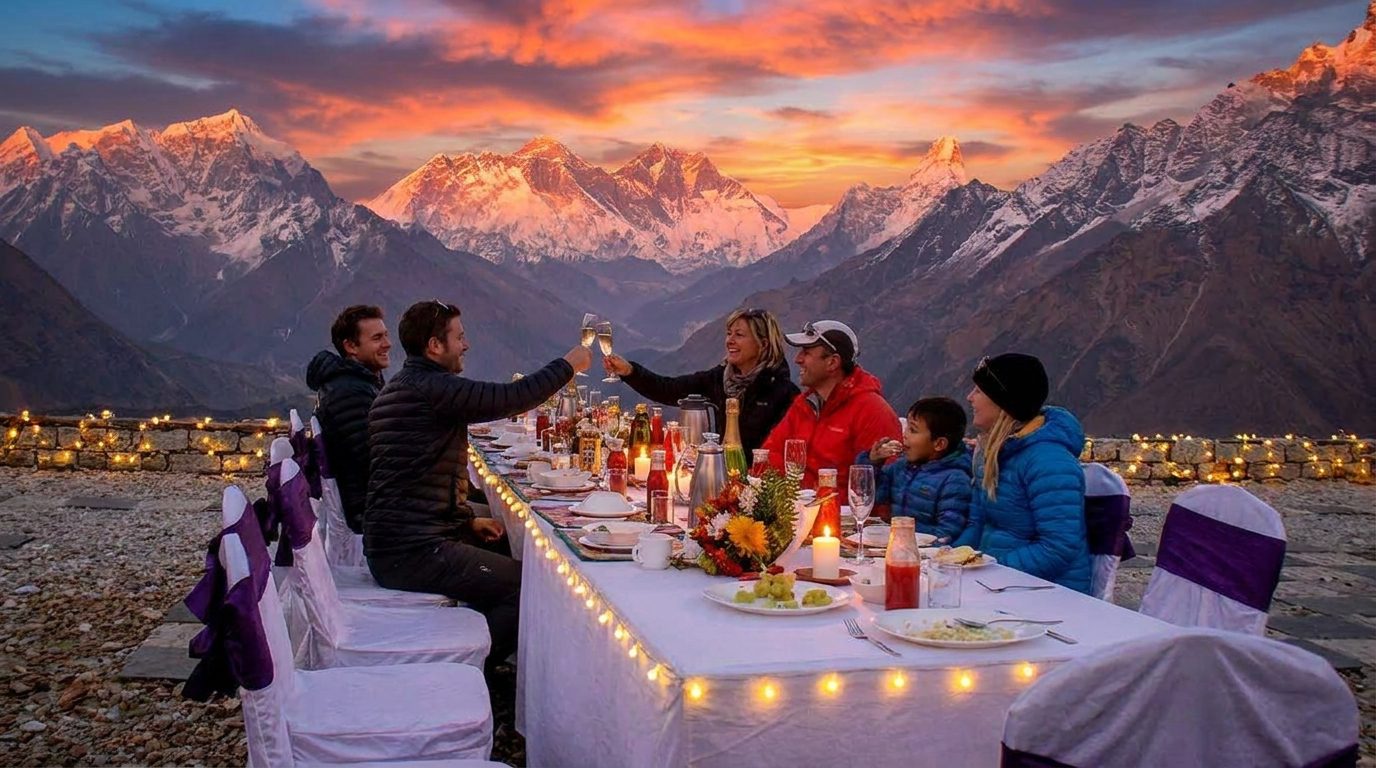
Landing near the main Gokyo lake gives passengers roughly 15 to 30 minutes on the ground for photos and simply taking in the setting, with turquoise water framed against the surrounding peaks — Cho Oyu, Makalu, Gaurishankar, and Shishapangma are all visible from the area on a clear day. Many itineraries then include a stop at the Everest View Hotel for breakfast before flying back to Kathmandu.
Shorter versions of the tour depart from Lukla instead of Kathmandu, cutting flight time significantly since Lukla is already inside the Everest region. This version works well for travelers who’ve flown into Lukla for a shorter trek and want to add Gokyo without extending their itinerary by another week on foot.
What It Costs
Pricing varies more than most travelers expect, largely based on departure point and whether you’re booking a shared or private flight.
- Shared flight from Kathmandu (with Everest Base Camp combined): roughly $1,400–$1,600 per person, with per-person cost dropping as group size increases — some operators price it around $1,499 for groups of three
- Shared flight, Gokyo-focused landing tour: roughly $1,395–$1,400 per person on a sharing basis, typically requiring a minimum of two travelers to operate
- Private charter from Kathmandu to Gokyo: around $4,200 for the whole helicopter, split however many passengers you bring, subject to weight limits
- Lukla to Gokyo: the shortest and most affordable version, since it skips the long Kathmandu-to-Khumbu flight distance entirely
The gap between shared and private pricing is significant, and for most travelers, sharing is the more sensible choice unless you specifically want full control over timing or you’re traveling with a small group that fills the aircraft anyway.
Comparing the Cost to Trekking There
It’s worth putting the helicopter price next to what trekking to Gokyo actually costs, since the comparison isn’t as lopsided as it first appears.
A standard guided Gokyo Lakes trek runs somewhere between $950 and $1,500 for 10 to 14 days, covering permits, guide services, Lukla flights, and accommodation along the way. That means a shared helicopter tour at $1,400 isn’t dramatically more expensive than a full guided trek — it’s often comparable, or even cheaper than a premium trekking package with porters and smaller group sizes.
What you’re really trading isn’t just money. It’s roughly two weeks of your life. For travelers with unlimited time and a genuine interest in the trekking experience itself — the villages, the acclimatization days, the gradual reveal of the mountains — the trek offers something a helicopter simply can’t replicate. For travelers who don’t have two weeks, or whose bodies can’t handle sustained high-altitude walking, the helicopter tour delivers the visual payoff at a genuinely comparable price.
Who Actually Gets the Most Value From This Tour
The helicopter tour makes the most sense for a few specific kinds of travelers, and less sense for others.
Time-constrained travelers get the clearest value. If your Nepal trip is a week or less, trekking to Gokyo simply isn’t realistic, and the helicopter tour is often the only way to see this specific region at all within that window.
Older travelers or those with physical limitations who want Everest-region views without the sustained physical demands of high-altitude trekking find this option genuinely valuable, since walking difficulty and altitude gain are removed from the equation entirely.
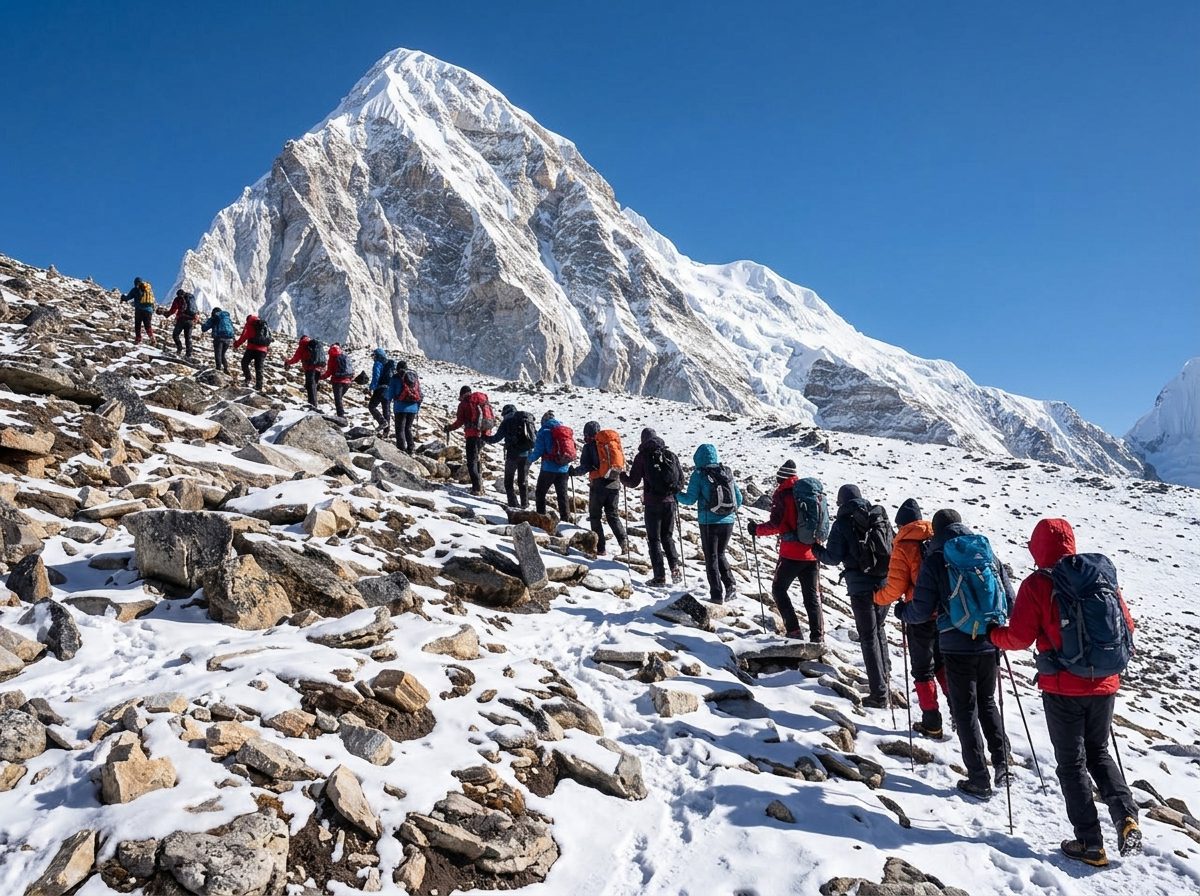
Trekkers who’ve already done Everest Base Camp and want to add Gokyo without another multi-day extension often combine a helicopter tour with their existing itinerary rather than tacking on the extra trekking days the Gokyo Ri side route would otherwise require.
Photographers and travelers focused specifically on the views rather than the journey itself tend to feel the tour delivers exactly what they came for — the lakes, the peaks, and dramatic aerial perspectives that even trekkers on the ground don’t get.
Where it makes less sense: travelers who specifically value the cultural immersion of passing through Sherpa villages, acclimatizing gradually, and experiencing the region at walking pace. That version of the trip simply isn’t available from a helicopter seat, however good the views are.
What You Won’t Get From the Air
It’s worth being honest about the tradeoffs, since a lot of marketing around these tours understandably emphasizes the highlights.
You won’t get the villages — Namche Bazaar, Khumjung, Dole — that give the Everest region trek its cultural texture. You won’t get the gradual acclimatization that helps your body adjust to altitude, which matters less on a short helicopter landing but is a core part of what makes trekking here feel earned. And you won’t get the extended time at altitude that, for many trekkers, is genuinely part of the appeal rather than an inconvenience to be minimized.
Landing time at Gokyo itself is also intentionally brief — typically 15 to 30 minutes — since helicopters lose performance capability the longer they idle at high altitude. That’s a real constraint worth knowing about before you book: this is a tour built around a relatively short, high-impact visual experience, not a leisurely few hours by the lakeshore.
Weather and Timing Considerations
Like all Himalayan helicopter operations, Gokyo tours are weather-dependent, and flights can be postponed or rescheduled on short notice if conditions don’t support safe flying. Reputable operators treat this as standard practice rather than a service failure — pushing through marginal weather at high altitude is exactly the kind of decision responsible operators avoid.
The clearest weather windows tend to fall in the pre-monsoon spring months (March–May) and post-monsoon autumn (October–November), which also happen to be peak trekking season for the same reason. If your schedule has any flexibility, building in a buffer day or two around your planned tour date meaningfully reduces the chance that a single bad-weather morning derails your only shot at the flight.
A Few Practical Booking Notes
A handful of details are worth confirming before you book, regardless of which operator or package you choose.
Confirm what’s included in the price. Some quotes cover helicopter fare, airport taxes, and government fees as a package; others itemize these separately, which can make comparing operators confusing unless you ask directly.
Ask about the minimum group size for shared flights. Several operators require at least two paying passengers to run a shared departure — solo travelers may need to book two seats to guarantee the flight goes ahead on their preferred date.
Check whether emergency oxygen is standard equipment. Reputable operators carry it as a standard safety measure for altitude-related discomfort, and it’s a reasonable question to ask if it isn’t mentioned upfront.
Build in schedule flexibility. Given how weather-dependent these flights are, booking toward the middle of your trip rather than on your last available day gives you a real shot at rescheduling if conditions don’t cooperate.
How It Compares to Other Everest Region Helicopter Tours
Gokyo Lakes is one of several helicopter tour options in the Everest region, and it’s worth understanding how it stacks up against the alternatives before committing.
The standalone Everest Base Camp helicopter tour focuses purely on Base Camp and Kala Patthar, without the Gokyo detour. It’s generally a shorter, slightly less expensive flight, and it suits travelers whose primary interest is Everest itself rather than the broader Khumbu region.
The combined Everest Base Camp and Gokyo tour — the version many operators promote as their flagship product — covers both regions in a single day, landing at both locations. This is the more comprehensive option and the one most travelers choose if budget allows, since it essentially captures the two most photogenic parts of the Everest region without requiring two separate trips.
A Gokyo-only tour, either from Kathmandu or the shorter version from Lukla, is the most cost-effective way to see specifically the lakes and the Gokyo valley, without paying for the additional Everest Base Camp landing if that’s not your priority.
Choosing between these really comes down to what you most want to see and how much you’re willing to spend. Travelers who’ve already trekked to Everest Base Camp on a previous trip, for instance, often skip the combined tour and book the Gokyo-only version specifically to fill in the one part of the region they haven’t experienced.
Is It the Right Choice for Your Trip?
A useful way to think through this decision is to ask three honest questions about your own trip. How much time do you realistically have in Nepal — is a two-week trek even on the table? How important is the physical journey itself to why you’re visiting, versus wanting to see the destination? And how does the helicopter tour’s price compare to what you’d otherwise spend on a guided trek of similar length?
For most travelers weighing this decision, the answer becomes fairly clear once those three questions are answered honestly. Time-constrained trips, physical limitations, or a primary interest in the visual experience over the trekking journey all point toward the helicopter tour being a sound choice. A genuine interest in the trek itself, flexible scheduling, and no physical constraints point the other way.
Final Thoughts
Whether the Gokyo Lakes helicopter tour is worth it really comes down to what you’re optimizing for. If time, physical capability, or a tight itinerary rule out the two-week trek, the tour delivers a genuinely comparable visual experience for a price that isn’t far off from a guided trekking package — without asking two weeks of your trip in exchange. If the trek itself, not just the destination, is what draws you to Nepal, no helicopter flight will replace that.
If you’re weighing this decision for your own trip, that’s exactly the kind of planning our team at Adventure Master Treks helps travelers work through — whether that means booking the right helicopter tour, building a shorter trekking itinerary, or combining both into a single trip.
Comments (0)
Write a comment- What the Tour Actually Includes
- What It Costs
- Comparing the Cost to Trekking There
- Who Actually Gets the Most Value From This Tour
- What You Won’t Get From the Air
- Weather and Timing Considerations
- A Few Practical Booking Notes
- How It Compares to Other Everest Region Helicopter Tours
- Is It the Right Choice for Your Trip?
- Final Thoughts
Read the latest Blogs & Insights
Explore our collection of articles and insights to gain in-depth travel knowledge, expert advice, and stay updated on the latest trends and tips.


No comments yet.