









22 Best Short Treks in Nepal: Itineraries, Costs & Best Routes
Short on time but still want to experience the Himalayas? Explore 22 of the best short treks in Nepal, from easy scenic trails near Kathmandu and Pokhara to high-altitude adventures, with practical details on cost, itinerary, difficulty, duration, and the best time to go.
-
 Adventure Master Trek
-
3 September, 2026
-
13 mins read
-
351 Views
-
0 Comments


Three weeks off work isn’t realistic for most people, and it doesn’t have to be. Nepal’s short treks squeeze the same dramatic peaks, Sherpa and Gurung villages, rhododendron forests, and teahouse culture into a single day or a stretch of ten. Adventure Master Trek, a Kathmandu-based operator running trips across Nepal, Tibet, and Bhutan, has built its short-trek lineup around that exact idea — real Himalayan adventure that actually fits inside a normal vacation.
Below are 22 of their best short trekking packages, grouped by region, along with the practical details that actually decide which one suits you: duration, difficulty, season, and what gets included.
Why Choose a Short Trek in Nepal
Time is usually the real obstacle, not fitness or interest. A classic Everest Base Camp or Annapurna Circuit trek eats up two to three weeks once acclimatization days, flight delays, and travel to and from the trailhead get factored in. A short trek gets you a genuine slice of that same experience — mountain views, village life, nights in a teahouse — without the three-week ask.
They also widen who can actually go. Families with kids, older trekkers, people easing back in after an injury, or anyone who just isn’t sure how their body will handle altitude can try a four- or five-day route before committing to something bigger. And if you’ve already ticked off a major trek, a short one slots neatly into a Nepal trip that also includes a few days in Kathmandu, a jungle safari in Chitwan, or lazy afternoons by Pokhara’s Phewa Lake.
How to Choose the Right Short Trek
Before jumping into the list, it helps to know what separates one short trek from another:
- Duration — anywhere from a single day (heritage hikes, viewpoint day trips) to ten days (Langtang, Gosaikunda, extended Annapurna routes)
- Difficulty — graded easy, moderate, or challenging based on daily walking hours, elevation gain, and altitude reached
- Altitude — most short treks stay under 4,000 meters, keeping altitude sickness risk low, though a handful push higher
- Access — some routes start with a scenic mountain flight (Lukla, Jomsom), others start with a short drive from Kathmandu or Pokhara
- Helicopter options — several short treks pair walking with a helicopter segment, cutting travel time further while still delivering summit or base-camp views
With that framework in mind, here are 22 short trek and trek-adjacent packages worth considering.
Annapurna Region Short Treks
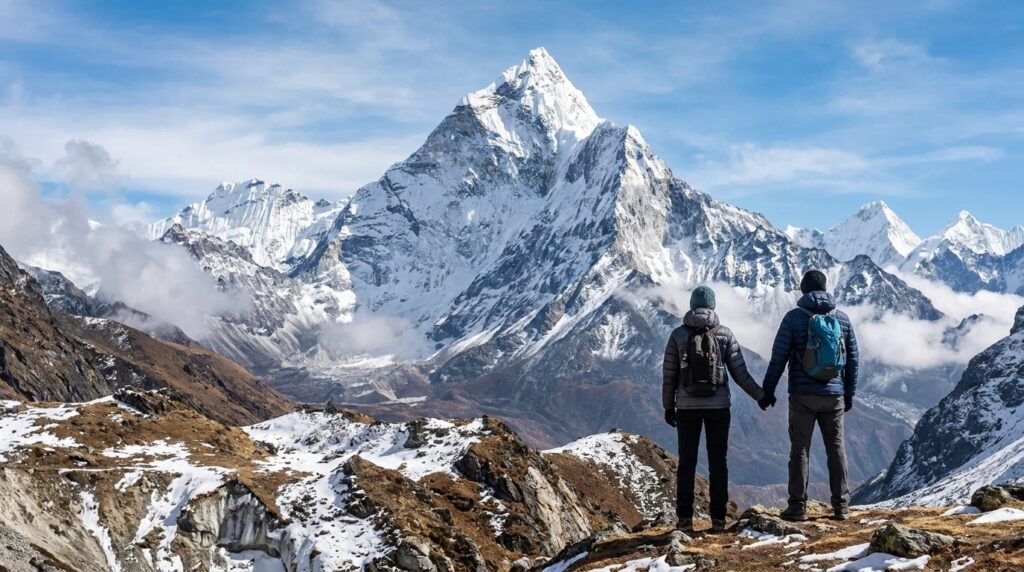
The Annapurna region, accessed through Pokhara, offers Nepal’s richest concentration of short trekking routes — a mix of forest trails, Gurung villages, and close-up views of Annapurna, Machhapuchhre, and Dhaulagiri.
1. Mardi Himal Trek – 5 Days A quieter alternative to the busier Annapurna trails, this route climbs through rhododendron forest to a ridgeline beneath Mardi Himal, with close views of Machhapuchhre along the way. Moderate difficulty, ideal for trekkers wanting solitude without sacrificing scenery.
2. Annapurna Base Camp Trek – 6 Days A faster-paced version of the classic ABC route, reaching the base camp at 4,130 meters and returning in under a week. Moderate to challenging, with several long walking days.
3. Annapurna Base Camp with Poon Hill Trek – 9 Days Combines the ABC route with the famous Poon Hill sunrise viewpoint over Dhaulagiri and Annapurna. A well-rounded introduction to Annapurna trekking for those with slightly more time.
4. 4 Days Annapurna Base Camp Trek with Helicopter Return – Walk up to base camp, then skip the multi-day walk down with a scenic helicopter flight back to Pokhara. A strong option for trekkers with strict time limits or those wanting to reduce knee strain on the descent.
5. Annapurna Base Camp Helicopter Tour – 1 Day For travelers with almost no time to spare, this day tour flies directly to Annapurna Base Camp and back, landing for photos and mountain views without any walking required.
6. Ghorepani–Poon Hill Trek – 4 Days One of Nepal’s most popular short treks, climbing through rhododendron forest to Ghorepani village and the Poon Hill viewpoint, famous for its 360-degree sunrise panorama over the Annapurna and Dhaulagiri ranges. Easy to moderate, and well-suited to first-time trekkers, including families.
7. Ghandruk Village Trek – 3 Days A short cultural trek into a traditional Gurung village, with direct views of Annapurna South, Hiunchuli, and Machhapuchhre. Easy difficulty, light on walking hours, heavy on cultural immersion.
8. Dhampus–Australian Camp Trek – 2 Days One of the shortest treks in the region, reaching a popular viewpoint above Pokhara in under two days. A good fit for travelers with only a weekend to spare.
9. Sikles Village Trek – 4 Days Less-visited than Ghorepani or Ghandruk, this route explores a large Gurung settlement inside the Annapurna Conservation Area, with mountain views and a slower, quieter pace.
Everest Region Short Treks
Everest region treks usually begin with a flight into Lukla, but several short itineraries — including a growing number of helicopter-assisted routes — bring Everest views within reach of travelers who can’t spare two weeks.
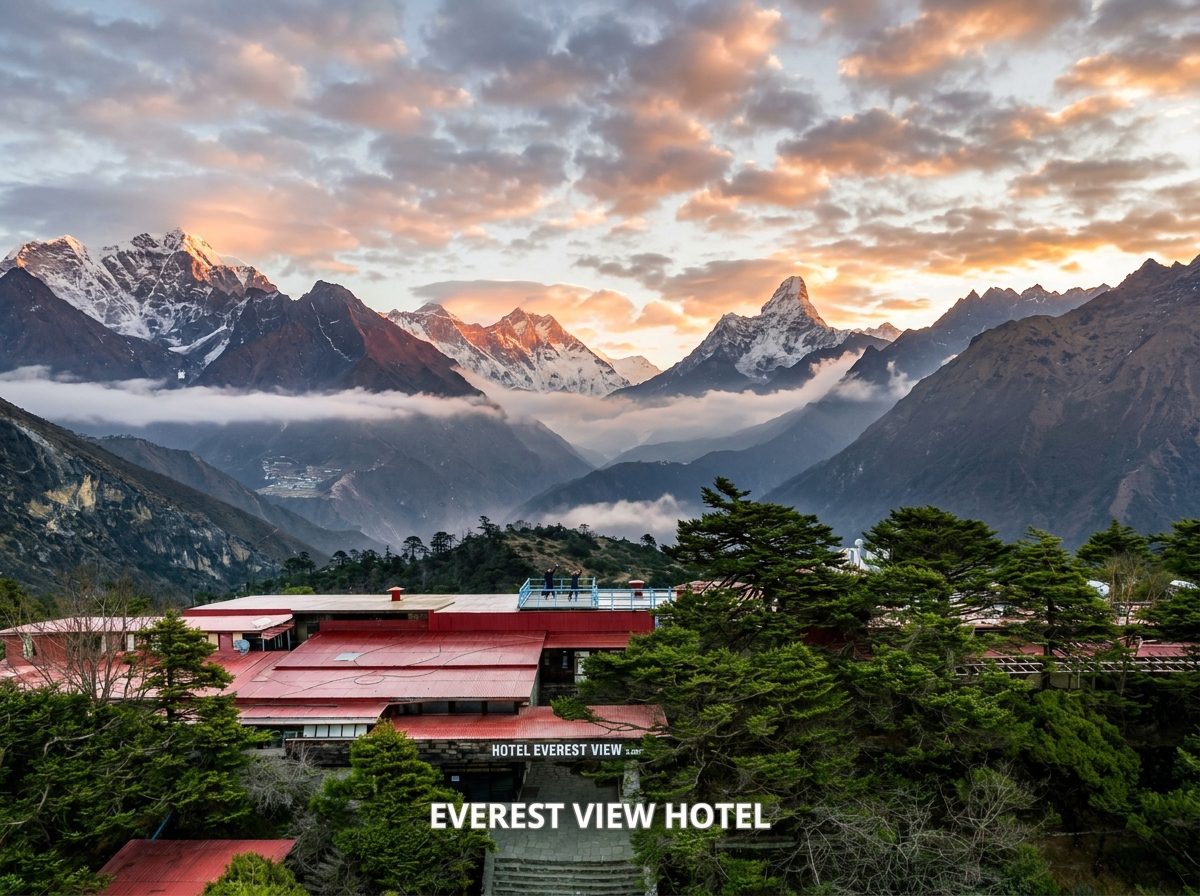
10. 5 Days Everest View Trek with Scenic Helicopter Return – Fly into the Khumbu, trek to the Everest View Hotel for close-up views of Everest, Lhotse, and Ama Dablam, then return by helicopter rather than retracing the trail on foot. A time-efficient way to reach Everest region viewpoints.
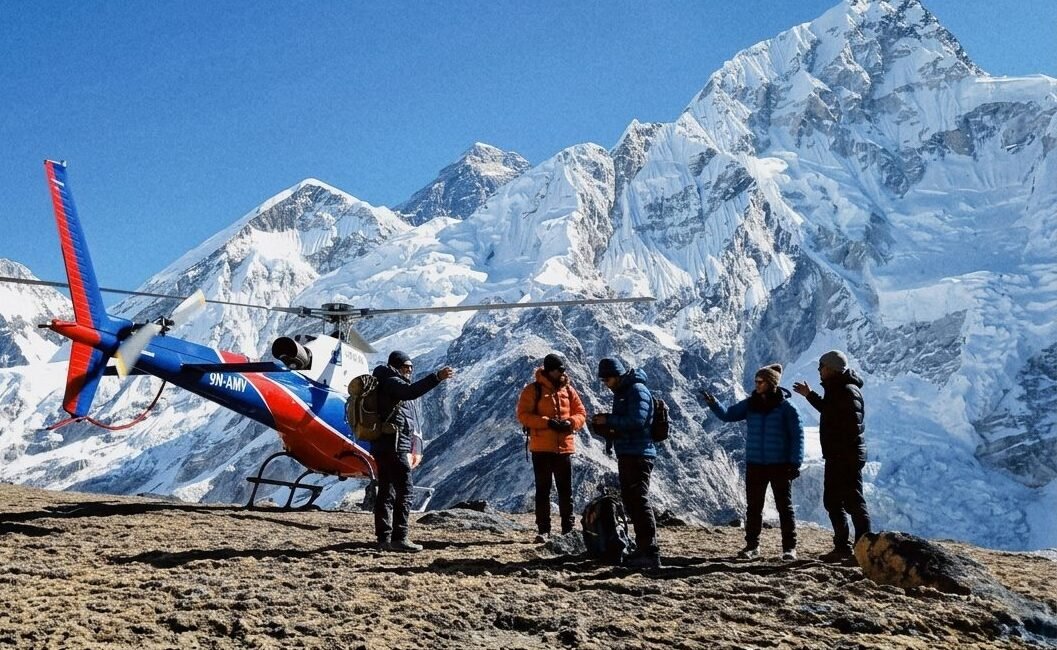
11. Everest Base Camp Helicopter Tour with Kala Patthar & Everest View Hotel Landing – A single-day helicopter tour that lands at Everest Base Camp and Kala Patthar, the classic Everest photography viewpoint, without requiring any trekking at all — ideal for travelers short on time or unable to trek at altitude.
12. Everest Base Camp Helicopter Return Trek – 9 Days Trek in through the Khumbu on foot, reaching Everest Base Camp the traditional way, then fly back to Lukla or Kathmandu by helicopter instead of walking out. Combines an authentic trekking experience with a faster return.
13. Namche to Everest Trek with Helicopter Transfers In & Out – 6 Days Skips the longer lower-Khumbu walking sections by flying directly to Namche Bazaar, then trekking through the higher, more scenic parts of the route before flying out. A strong option for trekkers wanting Everest region highlights without the full standard itinerary.
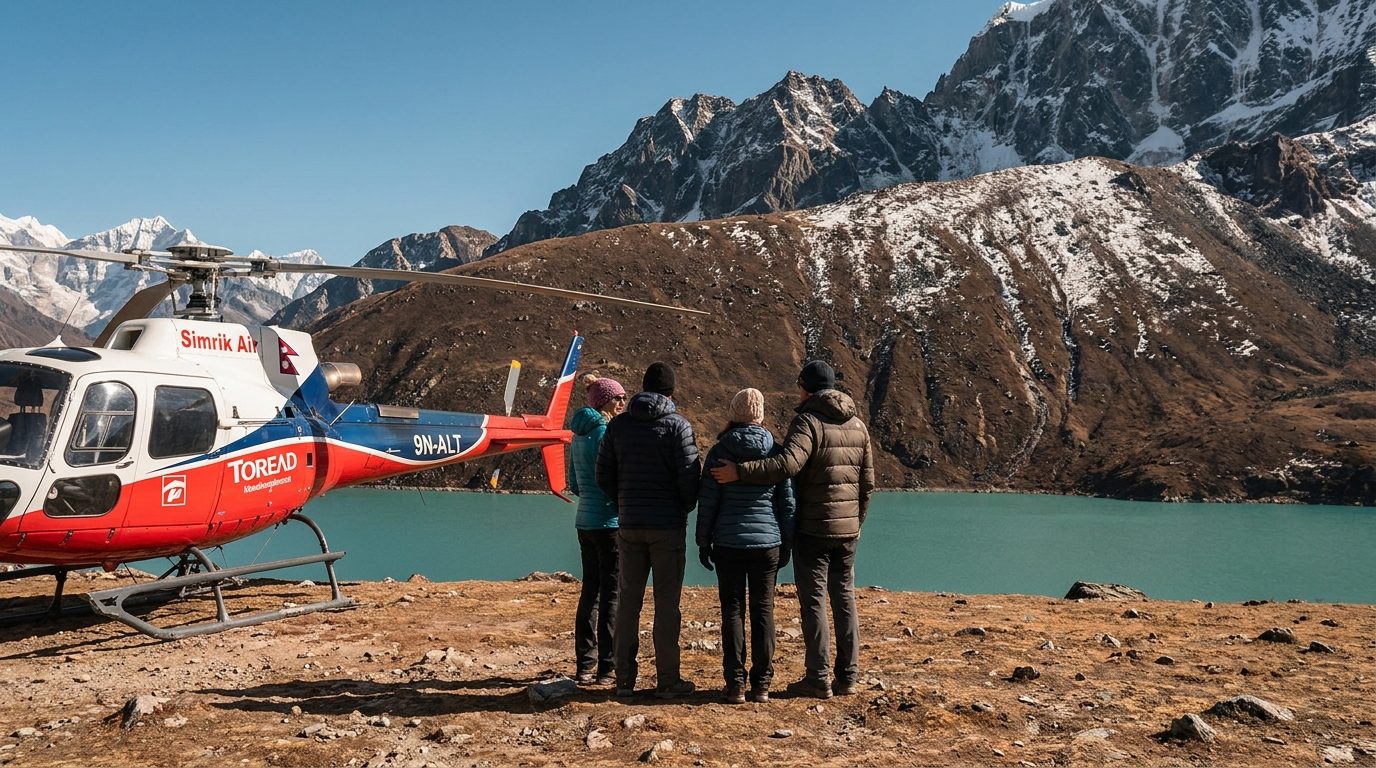
14. Gokyo Lake Helicopter Trek – 7 Days Combines trekking to the turquoise Gokyo Lakes and Gokyo Ri viewpoint with helicopter segments that cut down total trip length, delivering Everest, Cho Oyu, and Makalu views in about a week.
15. Namche Bazaar Short Trek – 5 Days A shorter Everest region introduction that reaches Namche Bazaar, the Khumbu’s main trading hub, along with nearby viewpoints, without pushing on to base camp itself. Well suited to trekkers wanting a taste of the Khumbu on a tighter schedule.
Langtang Region Short Treks
Closer to Kathmandu than either Everest or Annapurna, the Langtang region offers some of Nepal’s most accessible short treks — most starting with just a few hours’ drive from the capital.
16. Langtang Valley Trek – 8 Days A classic short trek into the Langtang Valley, framed by Langtang Lirung and dense forest lower down the trail. Moderate difficulty, well-suited to trekkers wanting more remote scenery within a manageable timeframe.
17. Gosaikunda Lake Trek – 8 Days Climbs to the sacred alpine lake of Gosaikunda, an important Hindu and Buddhist pilgrimage site, through rhododendron forest and high mountain terrain. Moderate to challenging due to the altitude reached near the lake.
18. Langtang Gosaikunda Trek – 10 Days Combines the Langtang Valley and Gosaikunda Lake routes into one longer loop, giving trekkers both the valley scenery and the high-altitude lake in a single trip.
19. Helambu Short Trek – 4 Days One of the easiest multi-day treks near Kathmandu, passing through Sherpa and Tamang villages at relatively low altitude. A strong option for beginners or families trekking with limited time.
20. Tamang Heritage Trail Trek – Explores traditional Tamang villages along the Langtang region’s lower trails, focused on culture and hot springs as much as mountain views. Easy to moderate, and less crowded than the main Langtang Valley route.
Kathmandu Valley & Mustang Short Trips
Not every short trek requires a flight or a long drive. These options work as standalone day trips or quick add-ons to a longer Nepal itinerary.
21. Nagarkot Sunrise Hike – 1 Day A half-day to full-day trip from Kathmandu to Nagarkot, a hill station known for sunrise views over the Himalayan range, including distant views of Everest on clear days. No trekking experience required.
22. Muktinath Helicopter Tour from Pokhara/Kathmandu – 1 Day Flies directly to Muktinath, a major Hindu and Buddhist pilgrimage site in the Mustang region, combining mountain scenery with a significant cultural and religious stop — all in a single day, with no trekking involved.
Comparing Difficulty Levels
| Difficulty | Typical treks | Daily walking hours | Who it suits |
| Easy | Ghandruk, Dhampus–Australian Camp, Helambu, Nagarkot | 2–4 hours | Beginners, families, older trekkers |
| Moderate | Poon Hill, Mardi Himal, Langtang Valley, Namche Bazaar | 4–6 hours | Trekkers with basic fitness and some hiking experience |
| Moderate to Challenging | Annapurna Base Camp (6-day), Gosaikunda, EBC Helicopter Return | 5–7 hours | Fit trekkers comfortable with consecutive long days |
Helicopter-assisted routes shift this calculus significantly — trekkers can reach genuinely high-altitude viewpoints like Everest Base Camp or Annapurna Base Camp with far less physical demand than the full walking itinerary would require, since the return leg (or in some cases, the entire trip) happens by air.
Best Time to Do a Short Trek in Nepal
Spring (March–May) brings blooming rhododendron forests, especially vivid on Annapurna and Langtang routes, alongside generally stable weather and clear mountain views.
Autumn (late September–November) delivers Nepal’s clearest skies and most reliable weather, making it the most popular season for both trekking and helicopter tours — book ahead where possible.
Winter (December–February) works well for lower-altitude short treks like Ghandruk, Dhampus, or Nagarkot, with fewer crowds, though higher routes get considerably colder.
Monsoon (June–August) is generally the weakest season for trekking, with rain, leeches on lower trails, and clouds that often block mountain views — though some rain-shadow areas like Upper Mustang stay relatively dry.
What’s Typically Included in a Short Trek Package
Most short trek packages with the Adventure Master Trek bundle together:
- A licensed, English-speaking trekking guide
- Required permits (TIMS, ACAP, or restricted-area permits depending on the route)
- Teahouse accommodation along the trail
- Meals during the trekking days (breakfast, lunch, and dinner, depending on the itinerary)
- Ground transportation to and from the trailhead
- Helicopter transfers, where the package includes them
Flights, international arrival logistics, travel insurance, and personal trekking gear are typically arranged separately, and it’s worth confirming exact inclusions on the specific package page before booking, since details vary by trip length and route.
Permits You’ll Likely Need
Depending on the region, short treks require one or more of the following:
- TIMS Card (Trekkers’ Information Management System) — a safety-tracking document for independent trekking areas
- ACAP (Annapurna Conservation Area Permit) — required for any trek inside the Annapurna Conservation Area, including Mardi Himal, Ghorepani–Poon Hill, Ghandruk, and Annapurna Base Camp routes
- Sagarmatha National Park Permit — required for Everest region treks, including Namche Bazaar and Everest View routes
- Langtang National Park Permit — required for Langtang Valley, Gosaikunda, and Helambu routes
- Restricted Area Permit (RAP) — required only for routes pushing into genuinely restricted zones, such as parts of Upper Mustang
A registered trekking agency typically handles permit paperwork as part of the package, which is one of the main practical advantages of booking through an operator rather than arranging logistics independently.
What Short Treks Typically Cost
Pricing varies by route, group size, and whether a helicopter segment is included, but a few reference points help set expectations:
| Package type | Typical price range |
| Day tours (heritage hikes, mountain flights) | $50–$150 per person |
| Helicopter day tours (ABC, Muktinath) | $500–$700 per person |
| Multi-day walking treks (4–6 days) | $400–$900 per person |
| Multi-day treks with helicopter return (Everest, ABC) | $1,000–$2,000+ per person |
Prices generally include guide fees, permits, teahouse accommodation, and meals on the trail, but fluctuate with fuel costs, group size, and season — helicopter-assisted routes in particular run higher during peak autumn demand. It’s worth requesting a current quote directly from the operator for the specific dates and route you’re considering, since published rates change more often than walking-only itineraries.
Why Book a Short Trek With a Local Operator
Short treks compress a lot of logistics into a small window, which makes local expertise more valuable, not less. A few reasons travelers choose to book through an established Kathmandu-based operator like Adventure Master Trek rather than arranging a short trek independently:
- Permit handling — ACAP, TIMS, and national park permits all require paperwork and, in some cases, in-person processing in Kathmandu or Pokhara. An operator handles this before you arrive at the trailhead.
- Weather contingency — helicopter-assisted treks depend on flying weather, and mountain flights get delayed or rerouted more often than travelers expect. A local operator with direct contact to pilots and airlines can rebook faster than an independent traveler working from a hotel front desk.
- Guide quality and safety — a licensed guide matters even on “easy” routes, both for navigation on less-marked trails and for recognizing early signs of altitude-related illness on treks that climb quickly.
- Teahouse coordination — during peak autumn and spring seasons, popular routes like Poon Hill and Everest View can fill up; an operator with established relationships secures rooms faster than a same-day walk-in.
- Tight timelines leave no room for error — a five-day trip has far less slack than a three-week one. A single missed flight or permit delay can consume a meaningful share of a short trek’s total time, which is exactly the scenario local logistics support is built to prevent.
What to Pack for a Short Trek
Even short treks cross real elevation and real temperature swings, so packing light doesn’t mean packing thin:
- Layered clothing — a moisture-wicking base layer, an insulating mid-layer, and a windproof/waterproof outer shell
- Sturdy, broken-in trekking shoes or boots with good ankle support
- A daypack (20–30 liters) for walking-only routes, or a slightly larger duffel if teahouse-to-teahouse porters aren’t included
- Sunglasses and sunscreen — UV exposure increases sharply with altitude, even on cool or overcast days
- A basic first-aid kit, including any personal medication and diarrhea/altitude relief tablets
- A reusable water bottle or bladder, plus water purification tablets or a filter
- Cash in Nepali rupees for teahouses, snacks, and tips — card payments are unreliable outside Kathmandu and Pokhara
- A headlamp for early starts on sunrise treks like Poon Hill or Nagarkot
For helicopter-assisted routes, pack slightly lighter still — most operators cap luggage weight for flight segments, and porters typically aren’t part of one-day heli tours.
FAQs About Short Trekking in Nepal
How short can a Nepal trek actually be?
As short as a single day. Day hikes around Kathmandu (Nagarkot) or helicopter day tours to Everest Base Camp, Annapurna Base Camp, or Muktinath deliver genuine Himalayan views without an overnight stay on the trail.
Do I need previous trekking experience for a short trek?
No, for most easy and moderate routes. Treks like Ghandruk, Dhampus–Australian Camp, and Helambu are commonly done by first-time trekkers, including families with children.
Are helicopter-assisted treks less authentic than full walking treks?
They’re a different kind of experience rather than a lesser one. Walking in and flying out (or vice versa) still involves real trekking days on the ground, just compressed into a shorter total trip — a practical trade-off for travelers with limited vacation time.
What’s the best short trek for first-timers?
The Ghorepani–Poon Hill trek is widely considered one of the best introductory routes in Nepal, combining a manageable four-day itinerary with one of the country’s most famous sunrise viewpoints.
Can I combine two short treks into one trip?
Yes. Many travelers combine a short Annapurna trek with a Kathmandu Valley day tour, or pair Langtang Valley with Gosaikunda Lake, since both routes originate from the same trailhead region.
Comments (0)
Write a comment- Why Choose a Short Trek in Nepal
- How to Choose the Right Short Trek
- Annapurna Region Short Treks
- Everest Region Short Treks
- Langtang Region Short Treks
- Kathmandu Valley & Mustang Short Trips
- Comparing Difficulty Levels
- Best Time to Do a Short Trek in Nepal
- What’s Typically Included in a Short Trek Package
- Permits You’ll Likely Need
- What Short Treks Typically Cost
- Why Book a Short Trek With a Local Operator
- What to Pack for a Short Trek
- FAQs About Short Trekking in Nepal
Read the latest Blogs & Insights
Explore our collection of articles and insights to gain in-depth travel knowledge, expert advice, and stay updated on the latest trends and tips.



No comments yet.