









Is the North Annapurna Base Camp Trek Difficult? Here’s What It’s Really Like
Discover how difficult is North Annapurna trekking. Read the season tips, the opinions of trekkers, and hints for beginners and those with experience.
-
 Adventure Master Trek
-
28 October, 2025
-
7 mins read
-
2201 Views
-
0 Comments


Introduction – The Truth About North Annapurna Trek
Is the trek too challenging for you, or perhaps just the perfect escapade? The Annapurna North Route trek is daunting even for experts and beginners. You need to train properly and prepare beforehand before attempting it to turn it into a memorable trip.
This guide gives you real, experience-acquired advice so that you know what is around the corner. From blooming spring pathways to the pathways covered in winter’s snow, during your trek, you will feel how the seasons affect the trek, while also discovering tips on how to relieve practical tips on how to relieve. Details such as how to make plans for the visit, drinking, what kinds of clothes to wear, are all of importance in making this trek a success. When you know these things, you can see the trek itself, can make your plans and realize the enjoyment of the scent of the mountains and, at the same time, appreciate the effort that you have put at all times in the climb on every step of the way.
Understanding the Trek: What Makes It Challenging
There’s a lot to learn before starting the trek to North Annapurna. There will be negative impacts too if proper knowledge is not provided. Always understand and prepare for altitude sickness, trekking for long hours and preparing for cold nights will allow your mind and body to adapt.
Distance and Elevation
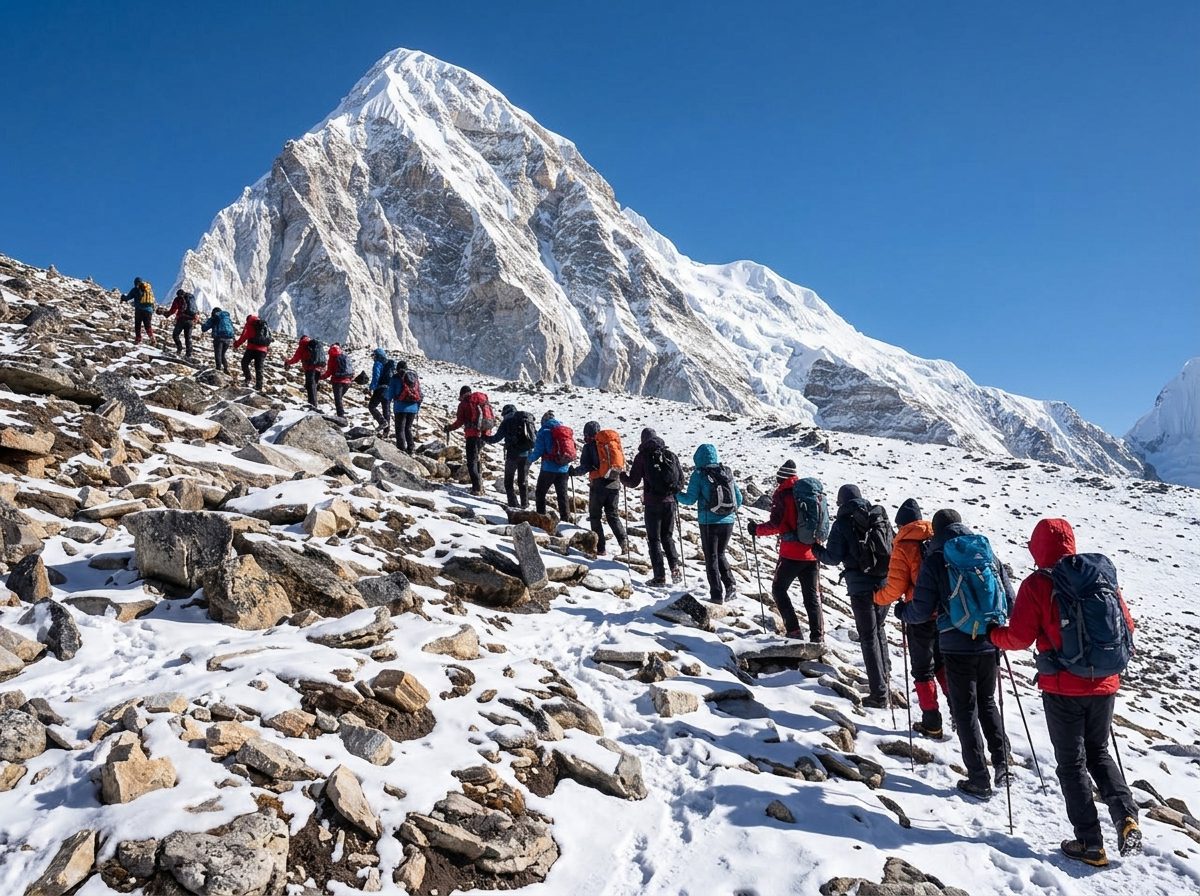
Each day, during the North Annapurna Trek, you will have to walk for several hours (4-7), ascend and trek to over 4000 meters. Even though the distance is not great, the air pressure drop will wear you out and make it very difficult to breathe. Understanding this will help you make an appropriate plan to.
Physical Requirements
The hike will involve ascending hills, navigating uneven trails, and undertaking long stretches of walking. It is indeed tough on legs and stamina but is within reach for most individuals with several weeks of prep. Exercises like walking, jogging, or climbing stairs are easy exercises that make a huge impact.
Mental and Emotional Challenges
Early morning walks, cold weather nights, and long days can challenge your patience and energy. Trail fatigue is inevitable, therefore rest, appreciate the views, and create short goals. Positive attitude and motivating other hikers in the process makes the trek easier and more enjoyable.
How the Trek Feels in Each Season (Weather & Trails)
The North Annapurna Trek transforms with the change of seasons. There is something different each season, from multicolored flowers to whiteout trails. It will help a lot if you know what to expect, you are able to plan for it and better enjoy it.
How is the North ABC trek difficult?
The North Annapurna Trek is difficult at times, but Anyayable if you are prepared. As most trekkers will tell you, “It is difficulty, but the sight are worth it every step of the way.” As experience is used, good pacing and scenery make it more enjoyable.
Comparing It to Other Popular Treks
This Trek is remote, with higher altitude and steeper pitch. Most trekkers would say, “The trails are silent and wild and the mountains here are to be felt close.” The scenery of snow capped peaks and untarnished forests make it a unique trek.
Real Experiences from Trekkers
Those who have gone will tell you “My legs were tired every day, but I could not help but be happy at the view.” Early mornings and long climbs and cool nights are the hazard, but the landscapes are serene, camp out, and the mountains have a struggle and great view that make all of the unforgettable and full of satisfaction.
Tips to Make the Trek Easier
The trek to North Annapurna takes some getting accustomed to but it can be made easier and hence enjoyable with the right preparation and the right practice.
Fitness & Training
A lot of health exercise on the part of trekkers is beneficial. Simple exercises like walking, jogging, stair climbing and squats all build up a good base of health which is beneficial in trekking. An easy exercise of 30 or 40 minutes each day for some weeks before the expedition will show a good growth of health. Many trekkers express, “I found quite a difference in the way I felt the journey to the higher levels after a little training.”
Smart Packing
Intelligent packing is a great aid to comfort in the tramp. Be sure that you wear your clothing in layers and have proper footgear and hauling sticks. The water, food and first aid in case of emergency cannot be neglected in packing. A great many people take too much, which is injurious, for overloading is likely to wear one out tremendously in a short time whereas intelligent packing is conducive to lightness and fit for the rigors of trail travel.
Acclimatization & Pacing
The altitude is a factor which should be reckoned with and ach to be on guard. Drink plenty of water, rest when tired and do not be in a hurry to gain competitive altitude. Many of the trekkers have said, “One day of rest saved me from wearing myself out or getting sick.” Proper pacing gives the body a chance to get acclimatized. This is particularly the case on days when the height is fixed for to gain a fixed height on that day means that the afflicted suffers pangs of altitude sickness. Hence it is made very enjoyable by the proper balancing of park and time.
Who Can Attempt This Trek?
The North Annapurna journey suits very many different kinds of trekkers, but it is advisable to know what limitations and preparations apply to meet successfully the effort that trekking demands, for it is not merely in walking that trekking consists but certainly too in the mental and physical effort put into preparing and the actual experience in trekking.
FAQs About Trek Difficulty
Q: Is previous experience needed for trekking?
Not really, this is a trek which can be done by beginners also. However, should some preparatory training be given, either in the way of walking or climbing, or gymnastic exercises, the journey will be taken with so much greater enjoyment, and will not be such a hardship.
Q: How much more difficult is it than the Annapurna Circuit, say?
It is rather more difficult owing to the greater altitude, and steeper tracks and remoteness, but with the great advantage of good views and a peacefulness and quietness, which will repay the efforts.
Q: Can anyone do a trek in Annapurna North in monsoon or winter?
Yes, but not for all. These are times which suit best experienced trekkers. In the monsoon it is very slippery in consequence of the rains, and in winter in snow and cold, and it is essential to gear and prepare oneself well for.
Q: How much walking is done daily?
Normally 4-7 hours a day, depending on route and height. Some days are longer owing to climbs, so timing is essential.
Q: What are the main difficulties for first-timers?
The main difficulties are height, long hours walking, stony tracks and cold nights. The strong exercise, drinking plenty of water and keeping up a high morale is very helpful.
Comments (0)
Write a comment- Introduction – The Truth About North Annapurna Trek
- Understanding the Trek: What Makes It Challenging
- Distance and Elevation
- Physical Requirements
- Mental and Emotional Challenges
- How the Trek Feels in Each Season (Weather & Trails)
- How is the North ABC trek difficult?
- Comparing It to Other Popular Treks
- Real Experiences from Trekkers
- Tips to Make the Trek Easier
- Fitness & Training
- Smart Packing
- Acclimatization & Pacing
- Who Can Attempt This Trek?
- FAQs About Trek Difficulty
Read the latest Blogs & Insights
Explore our collection of articles and insights to gain in-depth travel knowledge, expert advice, and stay updated on the latest trends and tips.





No comments yet.