









Can You Complete the Everest Base Camp Trek in 7 Days? Itinerary and Helicopter Options
Is a 7-day Everest Base Camp trek actually possible? This guide breaks down the itinerary, daily walking, altitude challenges, fitness requirements, and helicopter options. Find out how trekkers can reach Everest Base Camp in a week and use a helicopter return to save time on the journey back.
-
 Adventure Master Trek
-
12 September, 2026
-
13 mins read
-
247 Views
-
0 Comments


Yes, you can complete a trip to Everest Base Camp in 7 days, but not by walking the entire route in both directions. The standard EBC trek, done fully on foot, needs 12 to 14 days to allow for safe acclimatization.
The way operators compress it into a week is by trekking in through the classic route and flying out by helicopter, cutting three to four days of descent out of the schedule. This guide breaks down exactly how the 7-day version works, what the day-by-day itinerary looks like, what it costs, and — just as importantly — who should think twice before booking it.
The Short Answer: How a 7-Day EBC Trip Actually Works
Every genuine 7-day Everest Base Camp itinerary uses the same trick: you trek uphill from Lukla to Everest Base Camp and Kala Patthar over five to six days, following the same acclimatization-focused route used by the standard trek, then skip the multi-day walk back down by boarding a helicopter at Gorak Shep or Syangboche for a direct flight to Lukla or straight through to Kathmandu.
This matters because altitude sickness is primarily a function of ascent rate, not overall trip length. Flying downhill doesn’t put you at risk the way rushing uphill does. So a well-designed 7-day itinerary isn’t inherently more dangerous on the way up than a 12-day itinerary — it simply removes the walk down, which is physically tiring but not medically risky in the same way. What it can’t safely remove is the acclimatization built into the ascent, which is why the version of this trip that works keeps the uphill schedule essentially intact and shortens only the return leg.
Why the Classic Everest Base Camp Trek Normally Takes 12–14 Days
To understand why 7 days is the exception rather than the rule, it helps to know why the standard itinerary is so much longer. Most altitude medicine guidance recommends gaining no more than around 300 to 500 meters of sleeping elevation per day once above roughly 3,000 meters, with a rest day scheduled after every 1,000 meters of net gain. On the EBC route, that translates into dedicated acclimatization stops at Namche Bazaar (3,440 m) and Dingboche (4,410 m), where trekkers spend an extra night and take a “climb high, sleep low” day hike rather than pushing straight up the valley.
Skip those rest days, and altitude sickness becomes significantly more likely, regardless of fitness level. Cardiovascular fitness does very little to protect against acute mountain sickness (AMS); it’s a matter of how quickly your specific body adapts to reduced oxygen, which can’t be trained for in advance. Most trekking operators and altitude specialists still consider 12 to 14 days the minimum sensible window for the full up-and-down trek, and some describe anything faster than about 10 days on foot as carrying meaningfully higher risk.
This is exactly why the honest version of a “7-day EBC trek” doesn’t compress the ascent — it keeps the same uphill pacing as the standard itinerary and shortens the trip by replacing the descent with a helicopter.
Sample 7-Day Everest Base Camp Itinerary with Helicopter Return
Below is a representative itinerary that mirrors what most reputable operators run. Exact timings vary by company, weather, and whether the helicopter picks you up from Gorak Shep, Kala Patthar, or after a short walk back to Syangboche, but the structure is consistent across the industry.
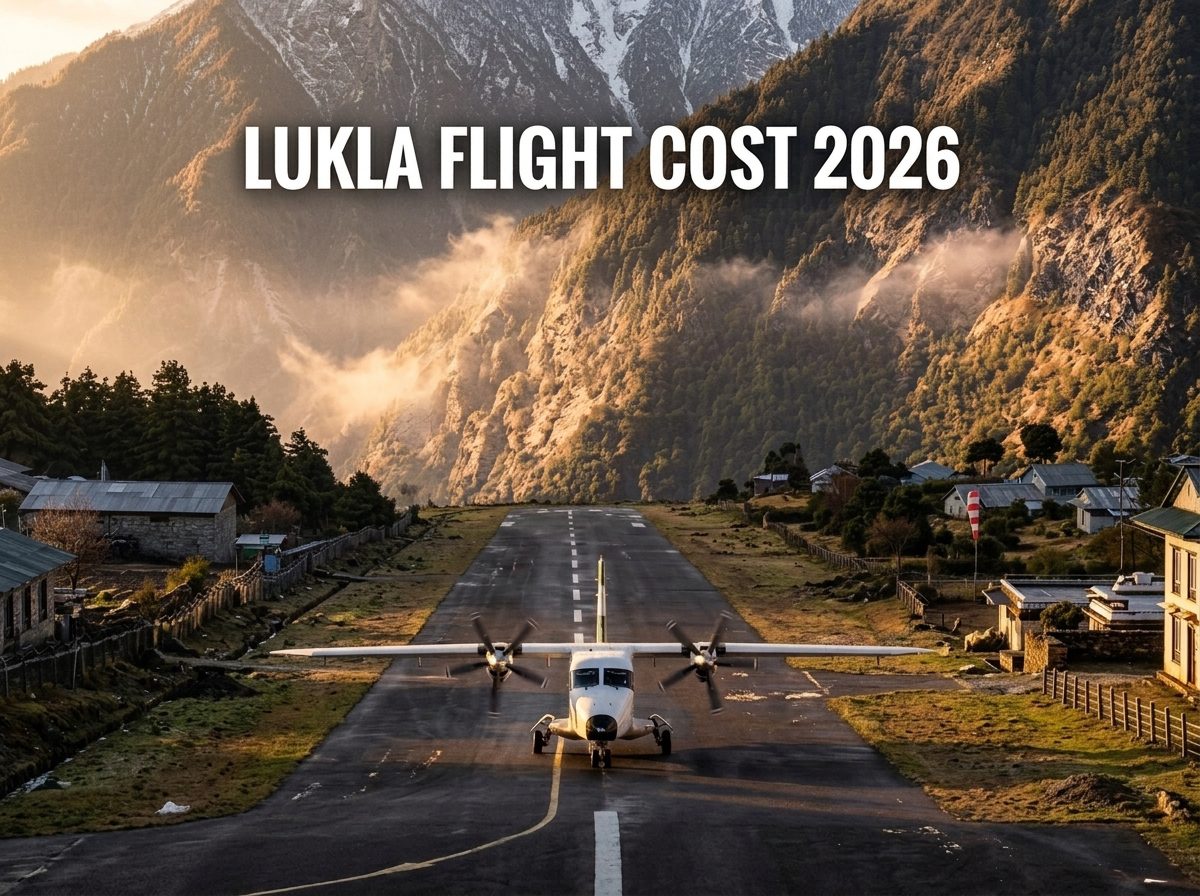
Day 1: Fly to Lukla, trek to Phakding A short 30–40 minute mountain flight from Kathmandu (or from Manthali/Ramechhap during peak season, when Lukla traffic is rerouted) lands you at Tenzing-Hillary Airport. From there it’s a gentle 3–4 hour walk down to Phakding (2,610 m), following the Dudh Koshi river.
Day 2: Trek to Namche Bazaar A longer day, 5–6 hours, crossing several suspension bridges and climbing steadily into Namche Bazaar (3,440 m), the unofficial capital of the Khumbu and your first proper acclimatization stop.
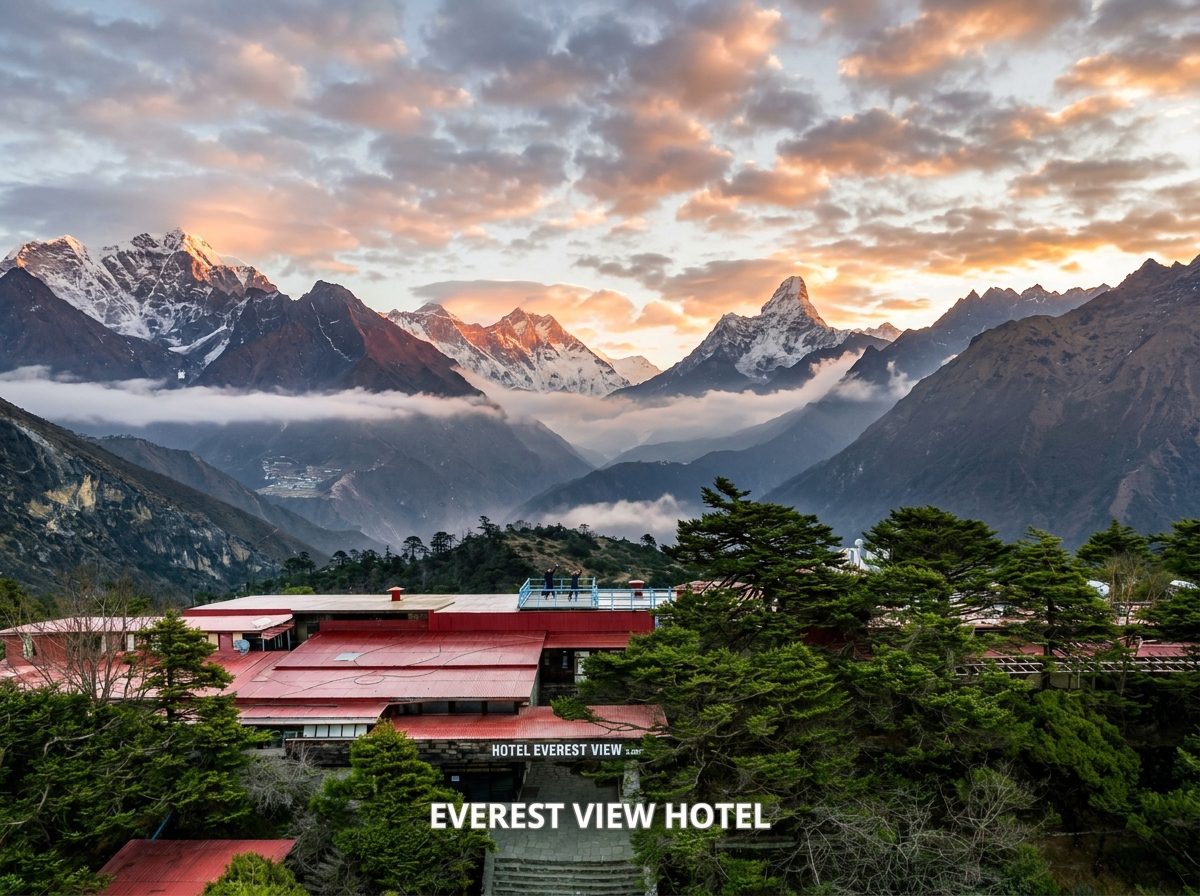
Day 3: Acclimatize in Namche, day hike to Everest View Hotel or Khumjung Rather than a rest day spent lying in bed, proper acclimatization involves gaining some altitude during the day and returning to sleep lower. Most itineraries use this day for a hike up to the Everest View Hotel or the villages of Khumjung and Khunde, both around 3,780–3,880 m, before returning to Namche to sleep.
Day 4: Trek to Tengboche or Dingboche Some itineraries stop at Tengboche (3,860 m), home to the region’s most significant monastery, while faster-paced versions push on toward Dingboche (4,410 m) to save a day, at the cost of a slightly steeper ascent profile.
Day 5: Trek to Lobuche Continuing up the valley past Dingboche, Thukla, and the memorial cairns for climbers lost on Everest, to Lobuche (4,910 m).
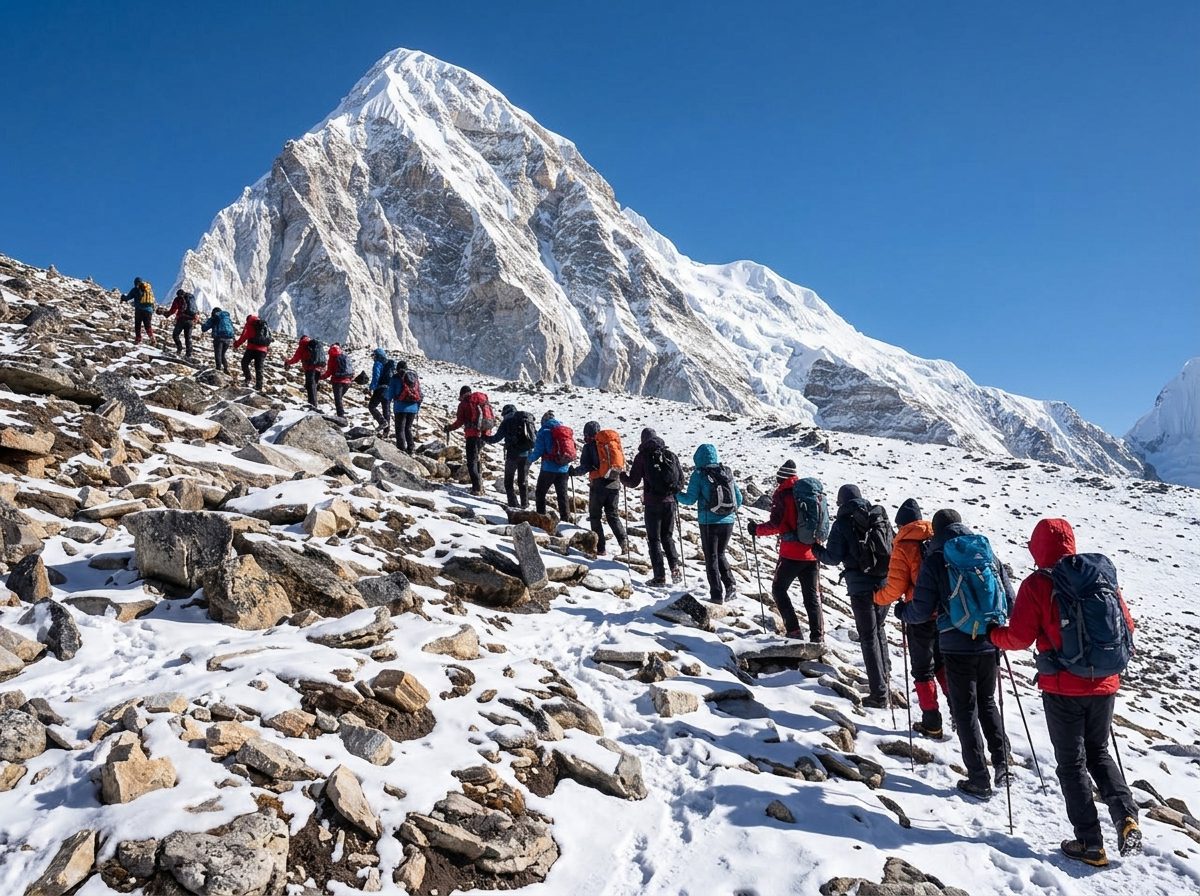
Day 6: Trek to Gorak Shep, then Everest Base Camp An early start to Gorak Shep (5,164 m), drop packs, then continue to Everest Base Camp (5,364 m) itself before returning to Gorak Shep to sleep. This is typically the longest walking day of the whole trip, at 8–10 hours round trip.
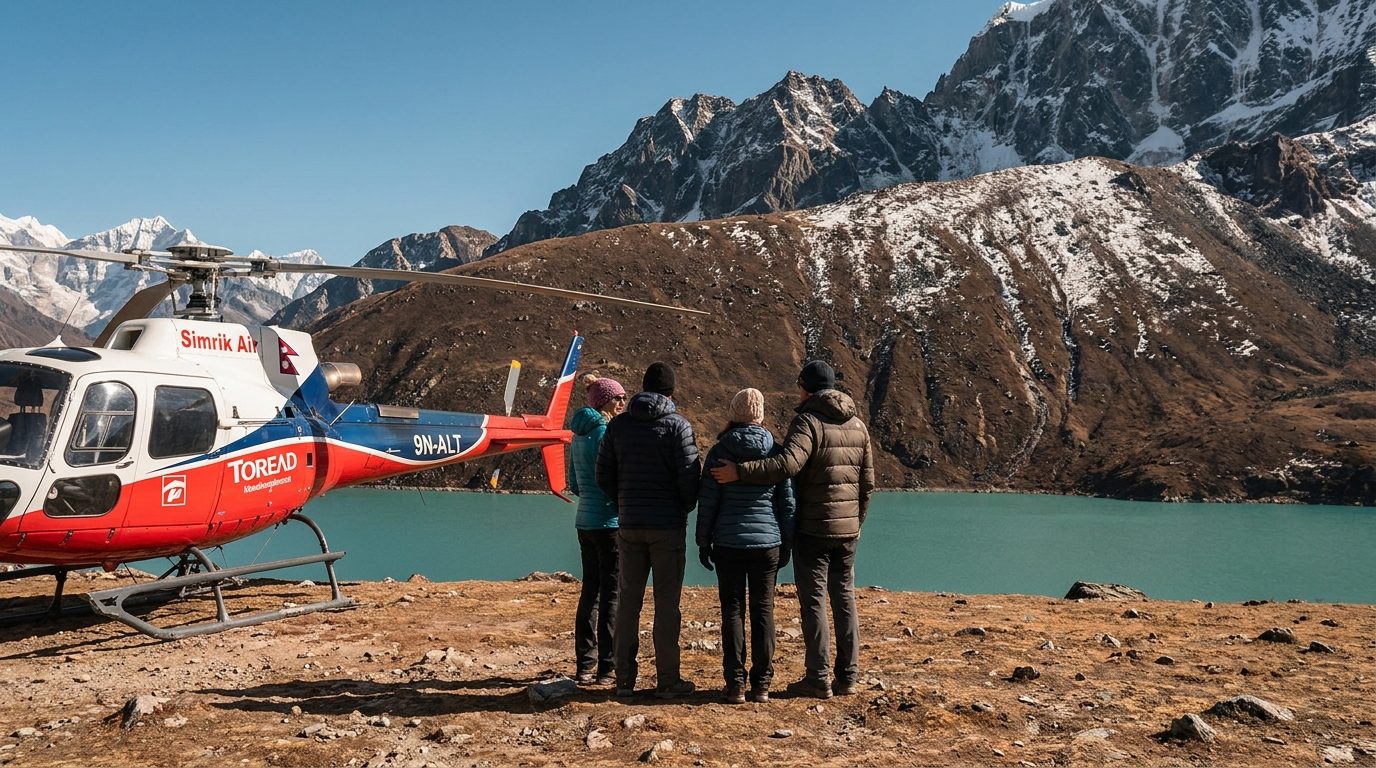
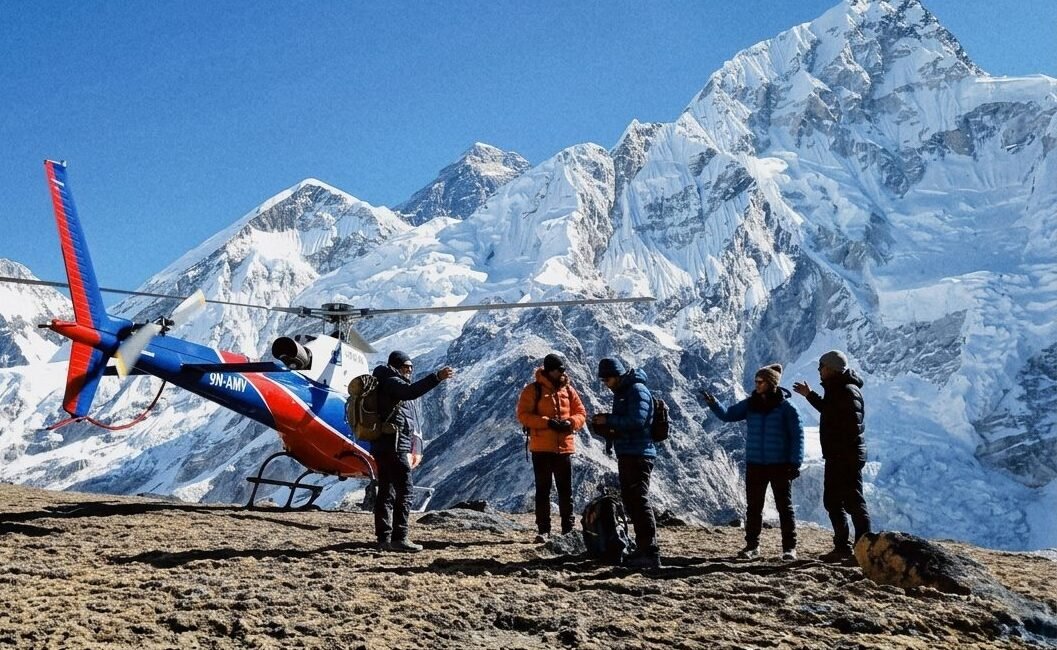
Day 7: Hike to Kala Patthar, helicopter to Lukla and on to Kathmandu A pre-dawn climb to Kala Patthar (5,545 m) for sunrise views of Everest’s summit, which is actually not visible from Base Camp itself due to surrounding terrain. After descending to Gorak Shep for breakfast, a helicopter picks up passengers and flies back over the same valleys you spent five days walking up, landing in Lukla or continuing directly to Kathmandu.
Some operators stretch this into 8 or 9 days by adding a buffer day for weather delays or a second acclimatization stop, which is worth considering given how often Himalayan weather disrupts flight and helicopter schedules.
Helicopter Options: What Are You Actually Choosing Between?
There are a few different ways operators structure the flying portion of the trip, and it’s worth knowing the difference before you book:
- Helicopter return only (most common): You trek up the entire way on foot and fly back down from Gorak Shep or Lukla. This is the version described above and the one most people mean by “7-day EBC trek.”
- Helicopter both ways: A separate and much shorter product, sometimes marketed as an “Everest Base Camp helicopter tour,” where you fly in and out on the same day or with one overnight, often stopping at Kala Patthar and Hotel Everest View for breakfast. This isn’t a trek at all — it’s a scenic flight with a brief touchdown — and it carries its own altitude risk since you gain nearly 5,000 meters of elevation in under an hour with zero acclimatization.
- Shared vs. private helicopter: Shared flights (typically 4–5 passengers) are considerably cheaper per person but depend on enough people booking the same day and route, which isn’t guaranteed on short notice. Private charters cost more but run on your schedule.
If genuine acclimatization and a real trekking experience matter to you, the walk-up, fly-down structure is the only one of these three that follows sound altitude practice.
Is the 7-Day Version Actually Safe?
This is the real question, and the honest answer is: it depends entirely on which part of the trip is compressed.
The ascent in most 7-day itineraries follows a similar elevation profile to longer treks for the first several days, with a proper acclimatization stop at Namche. Where it gets more aggressive is toward the end, when itineraries sometimes push from Dingboche or Tengboche to Lobuche and then to Gorak Shep and Base Camp on back-to-back days with less buffer than a 12-14 day schedule would allow. That compressed back half is where AMS risk climbs noticeably, and it’s the main reason altitude specialists tend to view anything faster than 9-10 days on foot with some caution, even when a helicopter handles the way down.
Practical ways to manage this if you go with a 7-day plan:
- Choose an itinerary that keeps a genuine acclimatization day at Namche (not just a scheduled “rest day” that’s actually another travel day).
- Discuss with your guide whether an extra buffer night at Dingboche makes sense once you see how you’re adapting.
- Take Diamox (acetazolamide) only under medical advice, and never use it to mask symptoms so you can keep ascending.
- Know the early warning signs of AMS: headache, nausea, loss of appetite, and disturbed sleep. If these appear, the response is to stop ascending and rest at the same altitude, not push on to keep the itinerary on schedule.
- Understand that the helicopter is a return method, not a rescue plan. It can be grounded by weather for days at a time, so build in flexibility rather than assuming it will fly on your exact scheduled morning.
Who Should Consider the 7-Day Itinerary — and Who Shouldn’t
The compressed itinerary tends to suit:
- Travelers with a hard limit on vacation time who would otherwise not attempt EBC at all
- Reasonably fit hikers comfortable with 5-8 hour trekking days on consecutive days
- People primarily interested in reaching Base Camp and Kala Patthar rather than a slower, more immersive cultural trip through the Khumbu
- Those with some flexibility in their return date, given how often mountain weather delays helicopter flights by a day or more
It’s a poorer fit for:
- First-time high-altitude trekkers with no acclimatization experience at all, who may benefit from the larger safety margin of a 12-14 day itinerary
- Anyone with underlying cardiovascular or respiratory conditions, who should get medical clearance regardless of itinerary length
- Trekkers hoping to properly experience Sherpa villages, monasteries, and the slower rhythm of the trail, since the compressed schedule leaves little room to linger
- Budget-conscious travelers, since helicopter seats add a substantial cost on top of the standard trekking package
What Does a 7-Day EBC Trek with Helicopter Return Cost?
Costs vary by operator, group size, and season, but a realistic 2026 budget breaks down roughly as follows:
Trekking permits (mandatory, non-negotiable):
- Sagarmatha National Park entry permit: approximately NPR 3,000 (about US$23)
- Khumbu Pasang Lhamu Rural Municipality permit: approximately NPR 3,000 (about US$23)
- Total permits: around NPR 6,000, or roughly US$45 per person
A TIMS card is no longer required for treks within the Khumbu region, since the rural municipality permit replaced it.
Domestic flights:
- Kathmandu–Lukla round trip: roughly US$360–450, though during peak spring and autumn seasons flights are frequently rerouted through Manthali/Ramechhap airport, adding a few hours of road transfer
Helicopter return leg:
- Shared helicopter from Gorak Shep or Lukla to Kathmandu: commonly a few hundred dollars per seat when the flight is shared among 4-5 passengers
- Private charter: substantially more, but guaranteed timing rather than waiting for other passengers to fill the seats
Guide and porter: Nepal’s regulations require independent trekkers in the Khumbu to hire a licensed guide, so this is a fixed cost rather than optional for most travelers, typically bundled into package pricing.
Full package estimate: Most operators price complete 7-day EBC-with-helicopter packages somewhere between roughly US$1,800 and US$3,500, depending on accommodation standard, group size, and whether the helicopter leg is shared or private. This sits noticeably above a standard walking-only EBC trek, largely because of the helicopter component.
Best Time of Year for a 7-Day Itinerary
Because a short, helicopter-dependent itinerary has almost no slack for bad weather, timing matters more here than on a longer trek. The two windows with the most reliable flying conditions and clearest mountain views are:
- March to May (spring): Warming temperatures, blooming rhododendrons at lower elevations, and generally stable morning weather before afternoon cloud builds in
- late September to November (autumn): Widely considered the most reliable season for both trekking and helicopter operations, with crisp, clear skies following the monsoon
Both winter (extreme cold and a higher chance of Lukla flight cancellations) and the summer monsoon (poor visibility and landslide risk) are far riskier bets for a schedule this tight, since a single weather delay can consume your entire buffer.

Alternatives If 7 Days Feels Too Rushed
If reading through the acclimatization risks above gives you pause, a few adjacent options are worth comparing:
- 9-day EBC trek with helicopter return: Adds one or two extra acclimatization or buffer days to the same basic structure, meaningfully reducing the AMS risk on the compressed back half of the itinerary without adding much cost.
- 12-14 day classic EBC trek (fully on foot): The gold-standard itinerary most altitude specialists recommend, with built-in rest days at both Namche and Dingboche and a gradual walk back down that doubles as a second, lower-risk acclimatization buffer.
- Everest Base Camp helicopter day tour: For travelers who genuinely cannot spare a week, a one-day flight with a brief landing near Kala Patthar and breakfast at Hotel Everest View offers a taste of the views without any trekking, though it isn’t a substitute for actually visiting Base Camp on foot and carries its own rapid-altitude-gain risks worth discussing with a doctor beforehand.
The Bottom Line
A 7-day Everest Base Camp trip is achievable and increasingly common, but it’s really a hybrid product: a genuine trek on the way up, paired with a helicopter shortcut on the way down, rather than a compressed version of the whole route in both directions. It suits fit, time-constrained travelers who understand and accept the tighter margins involved, particularly around weather-dependent helicopter scheduling and a steeper elevation profile in the final days. If you have any doubt about how your body handles altitude, or if you’d rather trade a faster finish for a wider safety buffer, the traditional 12-14-day itinerary remains the more conservative and still far more common way to reach Everest Base Camp.
Frequently Asked Questions
- Can beginners do the 7-day Everest Base Camp trek?
It’s possible for a reasonably fit beginner, but it’s a less forgiving introduction to high-altitude trekking than the standard 12-14 day version. First-timers with no acclimatization experience are generally better served by a longer itinerary with more built-in safety margin.
- Do I still need a guide for a 7-day trip?
Yes. Current regulations require a licensed guide for trekking in the Khumbu region regardless of itinerary length, and virtually all 7-day packages include one by default.
- What happens if the helicopter can’t fly due to weather?
You wait, sometimes for more than a day, until conditions clear, or the operator arranges an alternative such as trekking partway down to a lower airstrip. This is the single biggest scheduling risk in any short itinerary and worth planning a buffer day around if your travel dates allow it.
- Is the helicopter ride included in every 7-day package, or is it extra?
This varies significantly by operator. Some packages bundle the helicopter cost into a single price; others list it as an optional add-on. Always confirm which model you’re booking before comparing prices between companies.
- Do you see Mount Everest’s summit from Base Camp itself?
No. Base Camp sits in a position where surrounding peaks block a direct view of Everest’s summit. Kala Patthar, the extra climb on the final morning, is where the classic summit views actually come from, which is why it’s included in virtually every itinerary, short or long.
Comments (0)
Write a comment- The Short Answer: How a 7-Day EBC Trip Actually Works
- Why the Classic Everest Base Camp Trek Normally Takes 12–14 Days
- Sample 7-Day Everest Base Camp Itinerary with Helicopter Return
- Helicopter Options: What Are You Actually Choosing Between?
- Is the 7-Day Version Actually Safe?
- Who Should Consider the 7-Day Itinerary — and Who Shouldn’t
- What Does a 7-Day EBC Trek with Helicopter Return Cost?
- Best Time of Year for a 7-Day Itinerary
- Alternatives If 7 Days Feels Too Rushed
- The Bottom Line
- Frequently Asked Questions
Read the latest Blogs & Insights
Explore our collection of articles and insights to gain in-depth travel knowledge, expert advice, and stay updated on the latest trends and tips.



No comments yet.